
The best car led dome light bulb super bright choice is the one that fits your socket, spreads light evenly across the cabin, and doesn’t trigger flicker or dashboard errors, not simply the bulb with the highest “lumens” on the box.
If you’ve ever installed “super bright” LEDs and ended up with harsh hotspots, random flickering, or bulbs that don’t fit the housing, you already know why this topic matters. Dome and map lights are small, but you use them at the worst times, loading groceries, finding a dropped key, checking a child seat, and bad lighting makes everything feel harder.
This guide helps you quickly narrow down what to buy, what to avoid, and how to install it cleanly. I’ll also give you a simple comparison table so you can decide based on your car and your tolerance for “plug-and-pray” mods.
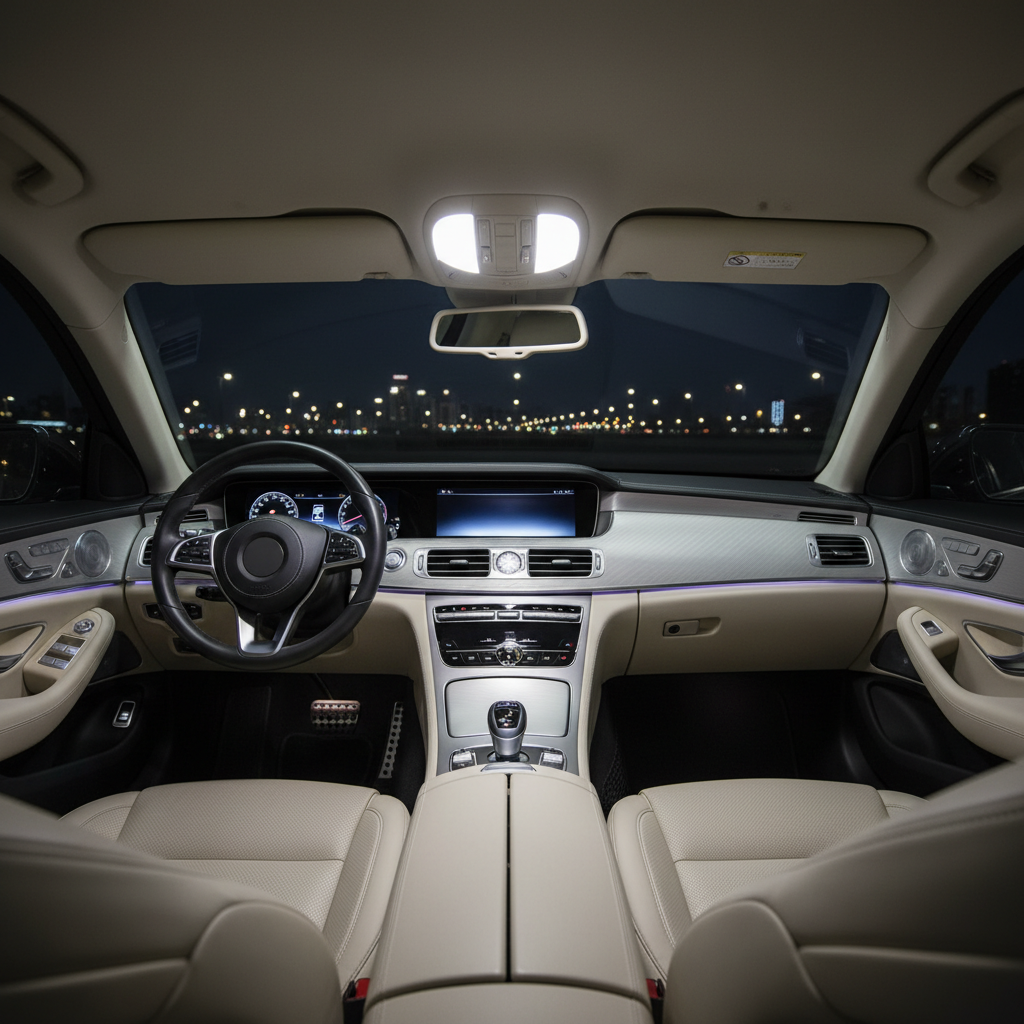
What “super bright” really means for dome lights
Brightness matters, but “super bright” is useful only if the light lands where you need it. In a dome housing, too much intensity from a tiny point source can create glare, especially with clear lenses or shallow reflectors.
Look at brightness as a mix of three things: usable output (how much light reaches the cabin), beam pattern (even vs hotspot), and color temperature (how it feels on your eyes).
- Usable brightness: a slightly lower-output bulb with a wider spread can “look” brighter across the cabin than a higher-output bulb that creates a harsh center spot.
- Beam pattern: multi-sided LED panels often spread better than single forward-facing chips in dome applications.
- Color temperature: 4000K–5000K tends to look clean and bright without the icy blue tone some people dislike at 6000K+.
Also, don’t ignore heat. LED bulbs run cooler than halogens in many cases, but compact “super bright” designs can still trap heat in tight housings, which may shorten lifespan.
Fitment first: sockets, size, and lens clearance
Most buying mistakes come from fitment, not brightness. “Dome light bulb” can mean festoon, wedge (T10/194), or other bases, and some housings have very little clearance behind the lens.
Before you buy, check your manual, pull the original bulb, or use a reliable fitment tool. If you’re unsure, measure the bulb you removed, especially festoon length.
- Common dome/map types: 31mm/36mm/39mm/41mm festoon, T10/194 wedge, 578, 211-2.
- Clearance check: thicker LED “panels” may hit the lens or not allow it to clip back in.
- Polarity: many interior LEDs are polarity-sensitive, so if it doesn’t light up, flip it 180°.
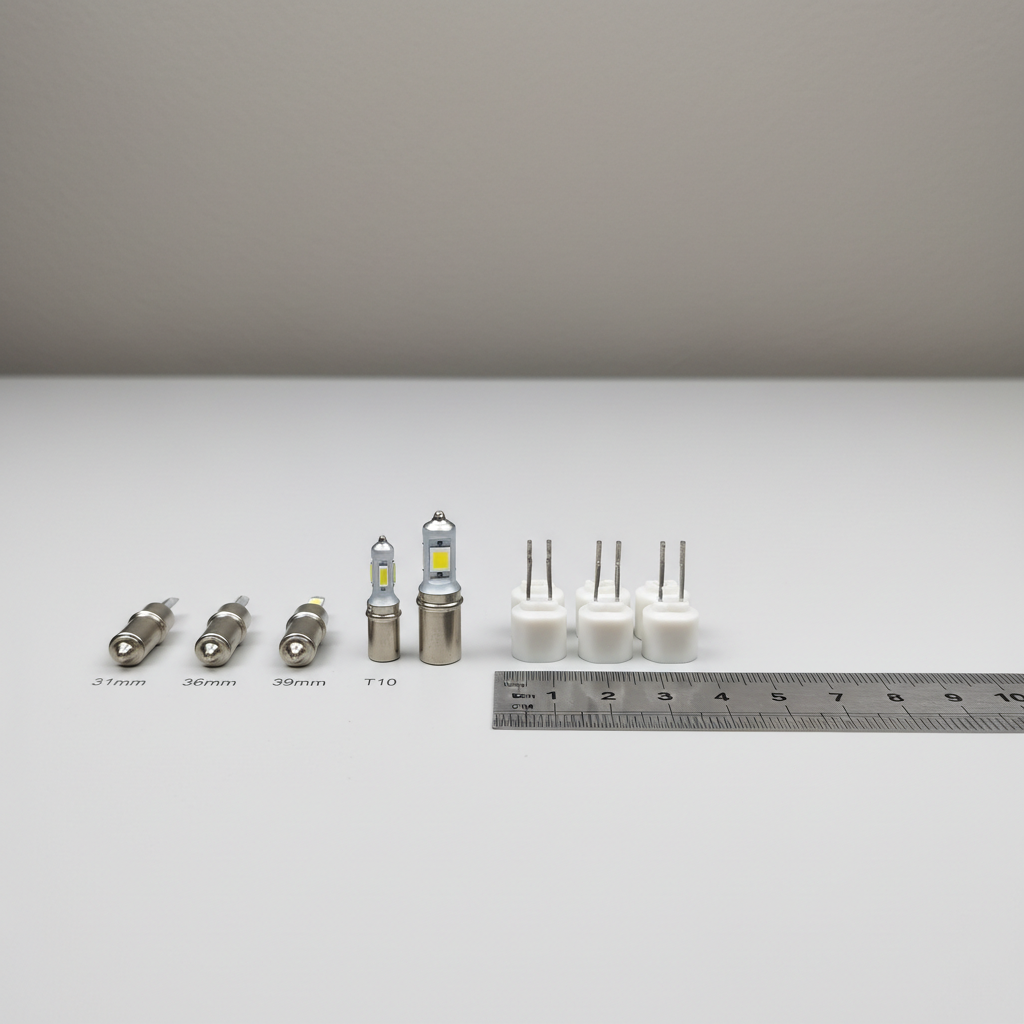
Quick comparison table: picking the right “super bright” option
This table won’t replace checking your socket, but it does reflect what typically works best in real cabins.
| Option type | How it looks in a cabin | Best for | Watch-outs |
|---|---|---|---|
| Single forward-facing LED bulb | Hotspot, brighter center | Small map lights with deep reflectors | Glare in shallow housings, uneven spread |
| Multi-sided “tower” LED | More even, wider fill | Dome lights, middle-row cabin lights | May be longer, can interfere with lens |
| LED panel style (festoon adapter) | Very wide spread, “room light” feel | Large dome housings, vans/SUVs | Adhesive mounting quality varies, heat management matters |
| CAN bus/error-free LED | Similar to above, fewer issues | Cars prone to flicker or bulb-out warnings | Extra resistors can add heat, sometimes bulkier |
A fast self-check: what to buy based on your situation
If you want the best car led dome light bulb super bright for your car, decide what problem you’re actually solving, then match the bulb type.
- You want maximum cabin brightness: look for multi-sided tower or panel-style LEDs, neutral white around 4500K–5500K often feels bright without looking “blue.”
- You hate harsh glare at night: avoid ultra-cool color temps, consider slightly warmer 3500K–4500K, and prefer diffused or multi-sided designs for softer spread.
- Your car shows bulb-out warnings: prioritize CAN bus-compatible bulbs, but also verify reviews mention your vehicle platform because “error-free” varies by car.
- You just need a clean OEM-like upgrade: choose moderate brightness, good color consistency, and a reputable brand with stable quality control.
- You often leave doors open while working: avoid designs that run very hot, and keep an eye on battery drain if your interior lights stay on for long periods.
According to NHTSA..., interior lighting issues can become a distraction if they cause glare or pull attention while you’re driving, so if a dome light is painfully bright in your peripheral vision, dialing back brightness can be the safer call.
Installation tips that prevent flicker, errors, and broken clips
Most interior LED installs are simple, but the small mistakes are what cause the frustration. Give yourself good light, use a plastic trim tool, and don’t force the lens.
Step-by-step (works for most dome/map housings)
- Turn off the light and the car: it reduces accidental shorting, and you avoid a hot halogen bulb.
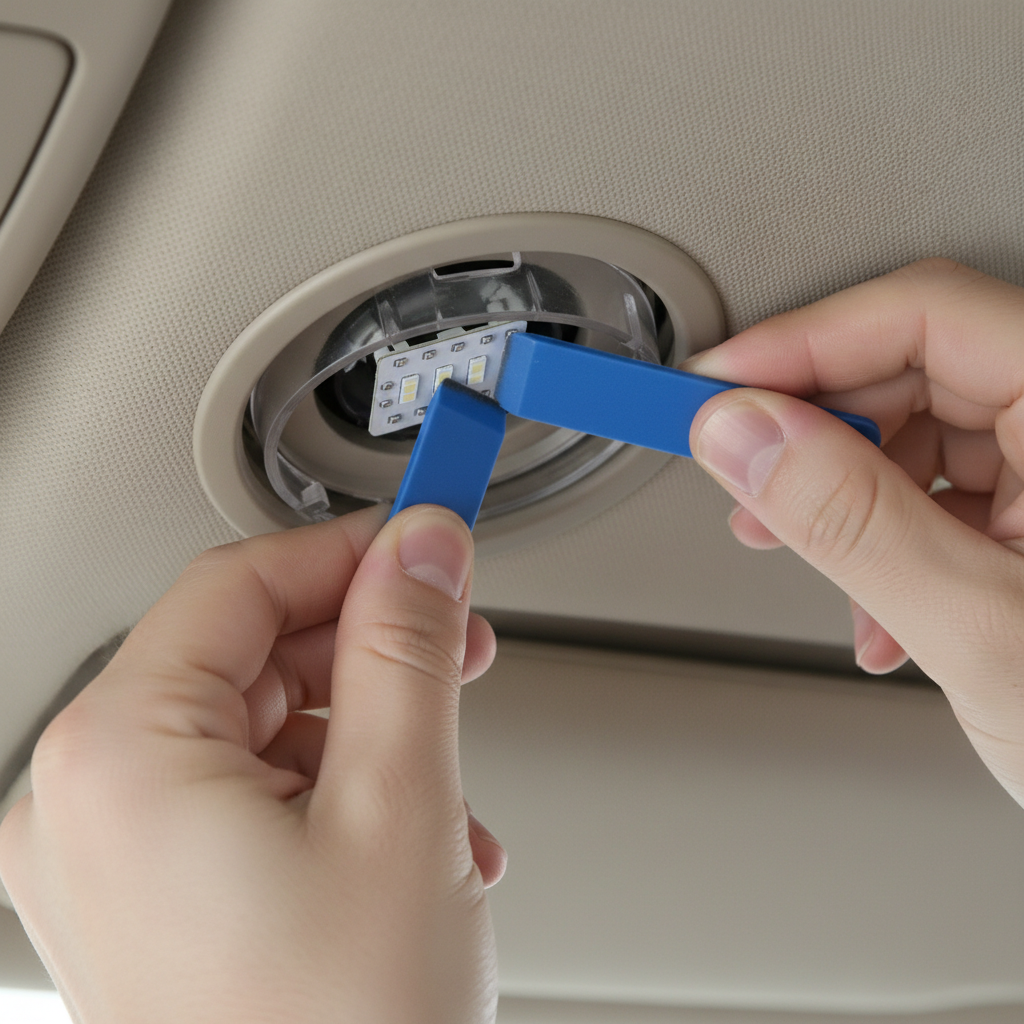
- Pop the lens carefully: use a plastic pry tool at the notch, slow pressure beats brute force.
- Remove the old bulb: for festoons, gently lever one end out, for wedges, pull straight out.
- Install the LED and test: if it doesn’t light, flip polarity and retest.
- Check for flicker: close/open doors, lock/unlock, and try dimming if your car supports it.
- Reinstall the lens: confirm no wires pinch and the bulb doesn’t touch the lens.
If you get faint glow after shutoff, it can be normal on some vehicles due to small current used for bulb monitoring. A true “error-free” bulb or an added load resistor may help, but resistors create heat, so placement matters and a pro installer may be worth it.
Common mistakes to avoid (this is where most “bad bulbs” come from)
A lot of “these LEDs are junk” reviews are really mismatch problems, wrong size, wrong pattern, wrong expectations. A few watch-outs save time.
- Buying purely by lumens: marketing numbers vary, and dome housings reward spread over raw intensity.
- Mixing color temps: swapping only the front map lights can look odd if rear dome lights stay warm halogen.
- Ignoring lens diffusion: clear lenses show hotspots more, frosted lenses hide them.
- Overdoing brightness in map lights: a super intense map light can reflect in glass and feel annoying, especially in rain.
- Assuming all “CAN bus” claims are equal: some cars are picky, if you see flicker or warnings, returnability matters.
Buying checklist: what to look for before you hit “Add to Cart”
Here’s a quick list I’d use if I were trying to find the best car led dome light bulb super bright option without wasting an afternoon on returns.
- Exact bulb type and length confirmed (manual, old bulb, or fitment tool)
- Beam style matches housing (multi-sided for wide dome, focused for deep map)
- Color temperature chosen on purpose (not just “cooler = brighter”)
- Non-polarity or easy polarity flip (less annoyance)
- CAN bus compatibility if your car is known for bulb monitoring
- Heat management (metal base, ventilation, not an overpacked tiny capsule)
- Return policy you can live with
When it’s worth getting professional help
If you’re only swapping a dome bulb, you usually won’t need a shop. But there are cases where a pro makes sense, especially if you’re troubleshooting electrical behavior.
- Persistent flicker even with CAN bus LEDs, which may indicate monitoring quirks or a compatibility issue
- Repeated blown fuses after an install, stop and get it checked rather than “trying one more bulb”
- Heat damage on a lens or housing, which suggests the setup runs too hot for that fixture
If anything feels off electrically, it’s safer to consult a qualified technician, interior lighting is low voltage but mistakes can still create shorts or damaged trim.
Conclusion: the “brightest” choice is the one you can live with nightly
The best upgrades feel boring after a week, because they just work, your cabin looks clean, you can find what you dropped, and you’re not fighting errors or glare. If you want a practical next step, confirm your bulb type and clearance, then pick a wide-spread LED in a neutral white range and buy from a seller with easy returns.
If you’re shopping today, make two decisions up front, your preferred color temperature and whether your car needs CAN bus support, and you’ll avoid most of the usual frustration.
FAQ
What color temperature looks brightest for interior dome lights?
Many drivers perceive 5000K–6000K as very bright because it’s a cooler white, but 4000K–5000K often looks “clean” without feeling harsh. If glare bothers you, going slightly warmer can feel better in real use.
Will a super bright LED dome bulb drain my battery faster?
LEDs usually draw less power than halogens for similar usable light, but a very high-output LED still draws something, and the bigger factor is how long the light stays on. If you work with doors open often, consider turning interior lights off manually.
Why does my LED dome light flicker when the car is off?
Some vehicles send a small monitoring current through the circuit, which can make LEDs flicker or glow faintly. CAN bus-friendly bulbs may reduce it, and in stubborn cases a resistor can help, though heat and placement become important.
Do I need “CAN bus error-free” LEDs for interior lights?
Not always. Many cars tolerate standard LEDs for dome and map lights, while others are sensitive. If your vehicle has a history of bulb-out warnings, it’s a safer bet to choose a compatible option and keep return options open.
Is it okay to mix LED interior bulbs with remaining halogens?
It works, but it can look mismatched, especially if the remaining halogens are very warm. Most people prefer swapping the front and rear dome/map lights as a set for consistent color.
Why won’t my new LED dome bulb turn on?
Polarity is the common reason. Remove it, rotate 180 degrees, and try again. If it still fails, check fitment and contacts, and confirm the bulb type matches the socket.
Are very bright interior LEDs a safety issue?
They can be if they create glare or distract you while driving at night. If you often use map lights while moving, choose a softer spread and avoid extremely intense bulbs, when in doubt, prioritize comfort over maximum output.
Key takeaways: confirm fitment, prioritize even beam spread, choose a color temp you enjoy at night, and treat “error-free” as vehicle-dependent rather than a guarantee.
If you’re trying to pick a set quickly, it can be simpler to buy a matched interior kit for your exact model year, or ask a shop to recommend a compatible option, it saves time, and you’re less likely to end up with a bulb that looks great on paper but annoys you every evening.