
Best tire shine gel for tires is usually the go-to when you want a deep, “just detailed” look without the messy overspray and quick fade you get from many sprays.
If you’ve ever dressed your tires, drove five minutes, and found shiny specks all over your paint, you already know why gel matters, it tends to cling better and gives you more control.
This guide breaks down what actually separates a great gel from an average one, how to pick based on your driving and storage habits, and a practical routine that keeps your sidewalls looking rich instead of greasy.
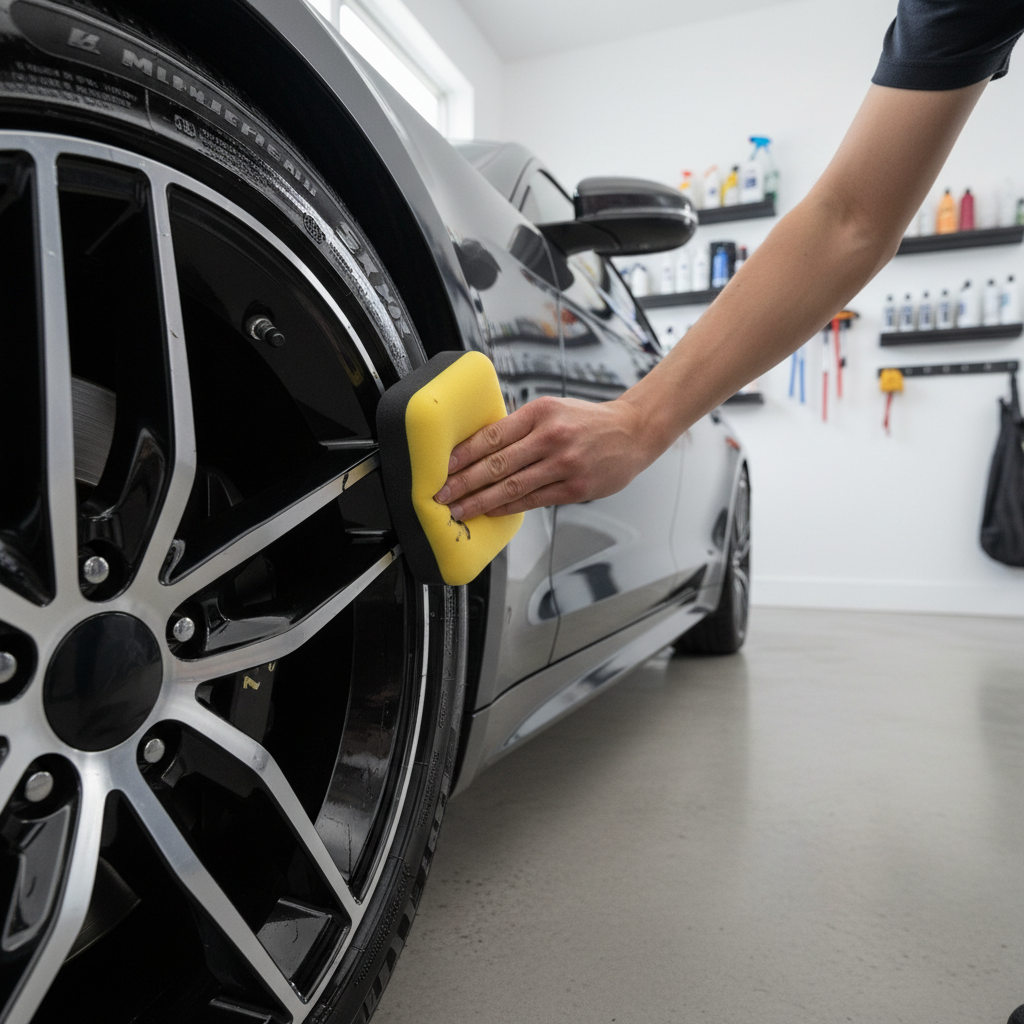
What “best” really means for tire shine gel in 2026
Most people shop tire dressing by how glossy it looks in the first 10 minutes, but the day-after behavior is what separates products. A gel that looks slightly less dramatic at first can end up looking better after a full cure.
- Finish control: can you get satin, gloss, or “wet” by changing the amount or number of coats?
- Low sling: does it stay on the tire, or decorate your fenders?
- Durability: how does it hold up after rain, highway miles, and a couple washes?
- Evenness: does it level out or leave dark-and-light patches on older rubber?
- Safety & compatibility: safe on rubber and (if you’re careful) not a nightmare if it touches wheels.
According to NHTSA, tire condition and proper inflation play a major role in safety, so treat shine products as cosmetic, not “tire care” in the structural sense.
Gel vs spray vs water-based dressings: the real trade-offs
Gel is popular because it’s less chaotic, but it’s not automatically “better” for everyone. Your habits matter more than the label.
Why gel often wins
- More control: you apply where you want, avoiding tread and braking surfaces.
- Better cling: thicker texture usually reduces runoff and streaking.
- Layering: easier to build from satin to glossy without instantly overdoing it.
Where gel can lose
- Prep sensitive: if the tire is still brown or oily, gel can lock in unevenness.
- Time: you may need an extra few minutes to spread thin and let it set.
- Dust attraction: some formulas can stay tacky if overapplied.
If you wash weekly and want a quick refresh, a water-based dressing might feel “good enough.” If you care about sling and consistency, best tire shine gel for tires tends to be the safer bet.
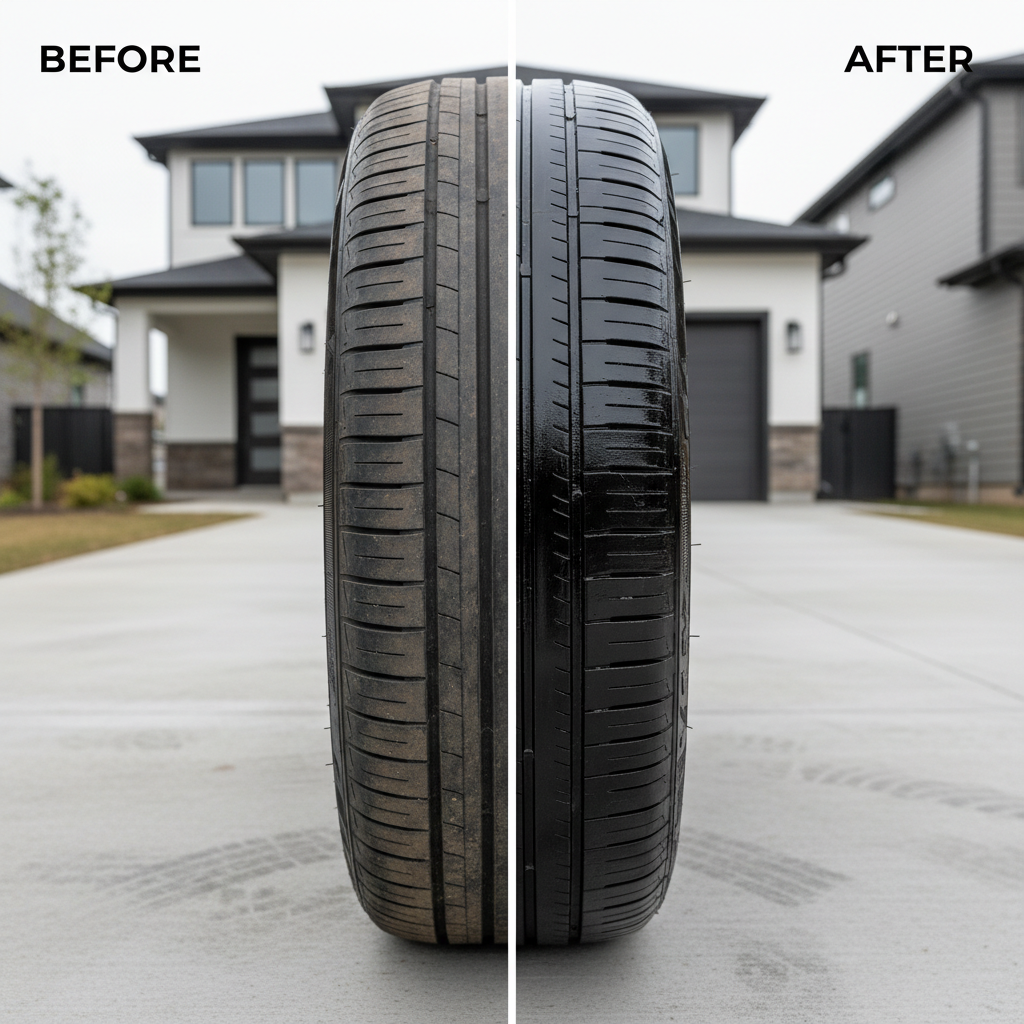
Quick comparison table: how to choose the right gel for your needs
You don’t need a chemistry degree to pick a solid gel, but you do need to match it to your reality, parking outside, lots of rain, dusty roads, or a garage-kept weekend car.
| What you care about | What to look for in a gel | What to avoid |
|---|---|---|
| Low sling | Thicker gel, “non-sling” claims, cures to dry-to-touch | Very oily, runny dressings |
| Natural satin look | Buildable finish, water-based or low-gloss gel options | High-gloss, heavy silicone feel if you dislike shine |
| Longer durability | UV inhibitors, good bonding on clean rubber, layering works | Products that wash off after first rain |
| Old/browned tires | Strong cleaning prep + gel that levels evenly | Applying dressing without removing browning |
| Fast application | Easy spread, no streaking, forgiving wipe-off | Sticky gels that require multiple buffing passes |
Why your gel isn’t lasting: the common (fixable) causes
If your shine looks great and then collapses into dull patches, it’s rarely “bad gel.” In many cases it’s prep, product amount, or cure time.
- Tire browning still present: that brown film (often blooming/antiozonant residue) blocks even bonding, so the finish turns blotchy.
- Too much product: thick coats stay wet, attract dust, and sling onto paint.
- No dwell time: driving immediately after application can fling uncured gel.
- Dirty applicator: old, oily pads cause streaks and inconsistent sheen.
- Strong cleaners after dressing: harsh degreasers strip protection quickly.
According to the U.S. Environmental Protection Agency (EPA), it’s important to handle car-care chemicals responsibly, so avoid letting runoff flow into storm drains and follow label directions for use and disposal.
A simple self-checklist: are you a “gel person” (and which kind)?
Run through this before you buy another bottle. It saves money, and it keeps expectations realistic.
- You hate overspray and want cleaner control around wheels
- You drive at highway speeds and want reduced sling risk
- You prefer a finish that can be tuned with thin coats
- Your tires brown easily and need a dressing that evens out after proper cleaning
- You don’t mind waiting 10–20 minutes for the product to set
If most of these are “yes,” searching specifically for best tire shine gel for tires makes sense. If you just want a quick look for photos and don’t care about durability, a spray might still fit your life.
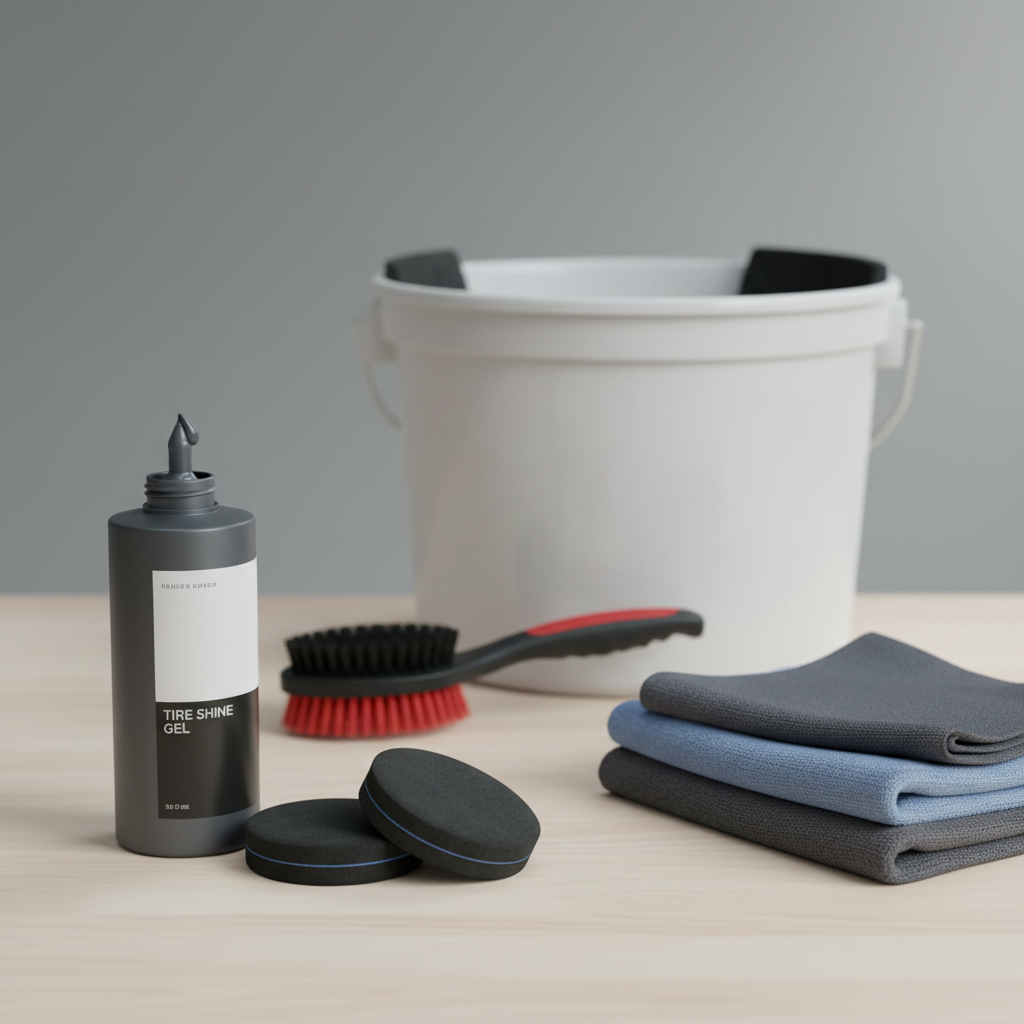
How to apply tire shine gel (and get a clean, even finish)
The routine below is boring, but it works. Most “bad results” come from skipping step two or rushing the cure.
Step 1: Clean the tire properly
- Rinse loose dirt first.
- Use a dedicated tire cleaner or an APC diluted per label directions.
- Scrub the sidewall until foam stops turning brown/gray.
- Rinse thoroughly.
Step 2: Let the tire dry
- Air dry is fine, microfiber helps speed it up.
- If water hides in texture, your gel can streak.
Step 3: Apply thin, even coats
- Put a small amount on a foam applicator, not directly on the tire.
- Work it into the sidewall, then lightly smooth the surface.
- Wait 10–15 minutes, then decide if you want a second coat.
Step 4: Buff to reduce sling
- Lightly wipe with a clean microfiber after it sets.
- This step matters most if you want a glossy look without mess.
Key point: more product rarely equals more shine, it usually equals more cleanup.
Mistakes that waste your time (and how to avoid them)
- Dressing the tread: keep product on the sidewall only, traction matters.
- Skipping de-browning: if the tire still looks brown when dry, dressing won’t “fix” it.
- Mixing products randomly: combining multiple dressings can cause streaking or greasy buildup.
- Using one pad forever: swap applicators when they load up, old residue creates uneven sheen.
- Applying in direct hot sun: product can flash too fast and leave patchy spots.
If you’re storing your car long-term, avoid leaving a tacky coating that can trap dust, a thinner, buffed-down finish usually looks cleaner weeks later.
So what is the best tire shine gel for tires in 2026? (Conclusion)
The “best” pick is the gel that matches your finish preference and your tolerance for maintenance. For many drivers, the sweet spot is a gel that spreads thin, dries to the touch, and can be layered from satin to gloss without sling.
- If you want the cleanest look: prioritize even leveling and a dry-to-touch cure, then buff lightly.
- If you want weekend-car gloss: use two thin coats with proper set time rather than one heavy coat.
- If durability is the goal: spend more effort on cleaning and drying, that’s where longevity usually comes from.
If you do one thing after reading this, clean the tire until browning stops showing, then apply a thin coat and wait before driving. That routine alone often gets you 80% of what people expect from the best tire shine gel for tires.
FAQ
- How long should tire shine gel last?
It varies by weather, wash routine, and how clean the tire was. Many gels look decent for days to a couple weeks, but heavy rain and strong cleaners can shorten that window. - Will tire shine gel crack or dry out my tires?
Most reputable dressings are formulated for rubber, but results can vary by product and overuse. If you notice discoloration or tackiness that never goes away, stop using it and consider asking a detailing professional for guidance. - Is it better to apply gel on wet or dry tires?
Dry is usually safer for an even finish. Water trapped in texture can cause streaks and reduce bonding, especially with thicker gels. - How do I prevent sling?
Use less product than you think, allow cure time, and buff lightly with a microfiber before driving. Sling is often an application issue more than a formula issue. - Can I use tire shine gel on plastic trim?
Some products may work, but it depends on the formula. Test a small hidden spot first, and avoid anything that stays greasy, trim can stain or look uneven. - Why do my tires turn brown again quickly?
Browning can come from antiozonants migrating to the surface plus road grime. Clean thoroughly, then maintain with gentle washing rather than harsh degreasers every time. - Do I need a special applicator for gel?
A curved foam tire applicator helps with control and even coverage. Microfiber applicators can work too, but they can load up faster and waste product.
If you’re trying to stop sling, get a more consistent satin finish, or dial in that showroom gloss without trial-and-error, it may be worth building a small tire-care routine around one gel you like, one applicator you keep clean, and a repeatable prep process.