
The best car oil 5w30 synthetic is the one that matches your automaker’s required specs, fits your driving pattern, and stays consistent in heat, cold starts, and long intervals without turning into guesswork.
If you’ve ever stood in front of an oil shelf thinking “they all say full synthetic,” you’re not alone, labels look similar while the real differences hide in approvals, additive packages, and what your engine actually needs.
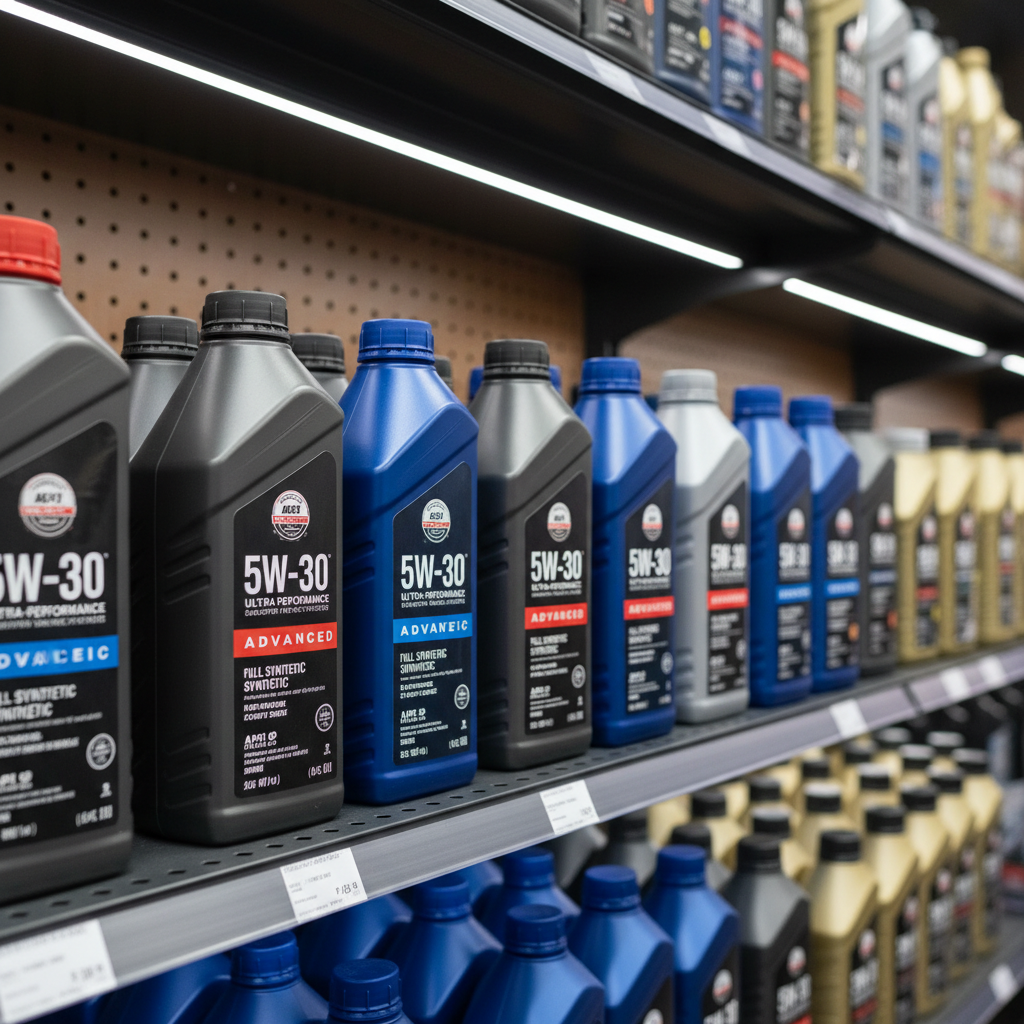
This guide keeps it practical, we’ll narrow down what “best” means for 2026 cars, give a short list of reliable 5W-30 synthetics to consider, and show how to pick based on specs like API SP, ILSAC GF-6, and common OEM approvals.
One quick boundary: oil choice can get very specific for turbo engines, hybrids, and European models, so treat this as a decision framework, and still follow the owner’s manual when it calls for a particular approval code.
What “best” really means for 5W-30 synthetic oil in 2026
In most cases, the “best” option is not the most expensive bottle, it’s the one that meets the exact performance category your engine was designed around.
- Viscosity grade (5W-30): how the oil flows cold (5W) and protects hot (30). Great all-around choice for many U.S. vehicles.
- API SP: current mainstream gasoline engine category, designed to help with modern issues like LSPI risk in some turbo engines and timing chain wear.
- ILSAC GF-6A: common for many U.S. and Japanese gasoline engines where fuel economy and emissions system protection matter.
- OEM approvals: for some brands, meeting a specific spec matters more than the marketing words “advanced” or “ultimate.”
According to API (American Petroleum Institute), the API “donut” and “starburst” marks help consumers identify oils that meet current performance standards for gasoline engines. In practice, those marks are a fast first filter before you compare brands.
Quick comparison table: top 5W-30 full synthetic oils to consider
These are commonly available in the U.S., generally reputable, and typically offered in 5W-30 full synthetic variants. Availability changes by store and region, so use the table as a short list, then confirm the label matches your required spec.
| Product (5W-30 Full Synthetic) | Best fit for | What to check on the label | Notes |
|---|---|---|---|
| Mobil 1 Advanced Full Synthetic | Daily drivers, mixed city/highway | API SP, ILSAC GF-6A | Widely stocked, consistent quality, good “default” pick |
| Valvoline Advanced Full Synthetic | Older engines, normal intervals | API SP, GF-6A | Often competitively priced, solid mainstream option |
| Castrol EDGE Full Synthetic | Hot climates, spirited driving | API SP, GF-6A (and any OEM approvals you need) | Good reputation for high-temp stability, confirm exact variant |
| Pennzoil Platinum Full Synthetic | Turbo gasoline engines (when specs match) | API SP, GF-6A | Common choice, still verify your manual’s required approval |
| Amazon Basics Full Synthetic (where available) | Budget-conscious, routine maintenance | API SP, GF-6A, licensing marks | Value pick if the certification marks are current and correct |
If your car requires a European approval set (common with some German brands), don’t force a generic U.S. GF-6A option, look for the exact OEM approval callout instead, even if it costs more.
Why 5W-30 synthetic can outperform conventional oil in real life
Most people feel the difference in two places: cold starts and long-ish intervals. Not because synthetic is “magic,” but because it tends to resist thinning and deposit formation better when temperatures swing and engines run hot.

Common reasons drivers switch to a best car oil 5w30 synthetic option:
- Better cold-flow behavior: quicker lubrication after startup in winter climates.
- Heat resilience: helpful for traffic, towing, mountain driving, and turbocharged engines that run hotter.
- Cleaner operation: modern additive packages can help limit sludge and deposits when maintenance isn’t perfectly “textbook.”
According to SAE International, the viscosity grade system (like 5W-30) describes how oils behave at specific test temperatures, which is why staying inside the recommended grade matters more than brand debates.
Self-check: which 5W-30 synthetic is right for your car?
Before you buy anything, do this quick check. It takes two minutes and saves you from the classic mistake of choosing based on marketing claims.
1) What does your owner’s manual actually require?
- If it says API SP and ILSAC GF-6A, you have lots of mainstream choices.
- If it lists a specific OEM approval (example: a manufacturer spec code), treat that as non-negotiable.
2) How do you drive most weeks?
- Short trips, lots of idling: oil contamination tends to build faster, consider shorter intervals even with full synthetic.
- Highway commuting: many oils perform well here, focus on correct spec and fresh filter.
- Towing or high heat: pick a reputable full synthetic and keep intervals conservative.
3) Any engine “quirks” to account for?
- Turbo gasoline: your spec match matters, API SP is a helpful baseline but your OEM approval can be the real deciding factor.
- Higher mileage: if you see consumption or minor leaks, a “high mileage” 5W-30 synthetic may help, but it won’t fix mechanical wear.
If you’re still torn, a safe move is choosing a widely licensed full synthetic that clearly displays the required marks, and then tightening the change interval slightly until you see how the engine behaves.
How to buy 5W-30 synthetic oil without wasting money
This is where most shopping goes sideways: people pay extra for features they don’t need, or they chase extended drains while their driving pattern screams “severe service.” A better approach is boring, and boring usually wins in maintenance.
- Start with certifications: look for API licensing marks, don’t rely on “meets or exceeds” language alone.
- Match your interval to your driving: frequent short trips often justify earlier changes, even on premium oil.
- Don’t cheap out on the filter: a decent filter supports flow and contaminant capture, especially when you extend intervals.
- Buy by the jug when it makes sense: 5-quart jugs often cost less per quart than singles.
Key point: the best car oil 5w30 synthetic for your neighbor might not be the best for you if your car needs a specific approval, or if you rack up cold starts daily.
Common mistakes and “sounds smart” myths to ignore
A few traps show up every year, especially online. Some are harmless, some can be expensive.
- Myth: “Full synthetic means universal.” Reality: the spec and approvals matter more than the base oil story.
- Mistake: stretching intervals without confirming your service schedule. Many manuals define “severe service” in ways that match normal life.
- Myth: “Thicker is always safer.” Reality: thicker oil can reduce flow in cold starts and may not match engine clearances or VVT systems.
- Mistake: mixing random leftover oils. In a pinch it’s usually better than running low, but aim to return to one spec-matching product at the next change.
According to AAA, routine vehicle maintenance, including oil and filter changes at appropriate intervals, is a core factor in long-term reliability. That’s not a brand statement, it’s a consistency statement.
When to get professional help (worth it)
Oil choice is usually simple, until it’s not. If any of these apply, a trusted mechanic or dealership service advisor can help confirm the correct spec and interval.

- Oil consumption: you add oil between changes, or the level drops quickly.
- Repeated warning lights: low oil pressure or oil level messages should not be guessed at.
- Warranty concerns: if your vehicle is under warranty, keep receipts and use the spec your manual calls for.
- European-spec requirements: approvals can be confusing, and the wrong oil may affect emissions components over time.
If you suspect an oil leak, coolant contamination, or metal particles in drained oil, stop treating it like a shopping problem, it becomes a diagnostic problem, and a professional opinion is the safer move.
Practical takeaway: a simple 2026 buying checklist
If you want a quick “do this, not that” flow, use this:
- Confirm viscosity: manual says 5W-30.
- Confirm category: look for API SP and usually ILSAC GF-6A for many U.S. gasoline cars.
- Confirm OEM approvals: if listed, match them on the bottle.
- Pick a reputable, widely available brand: you want consistency across oil changes.
- Set an interval you’ll follow: consistency beats “perfect” theory.
Once those boxes are checked, the difference between good choices narrows a lot, and you can buy based on price, availability, and how confident you feel reading the label.
Conclusion: choosing the best 5W-30 synthetic oil for your car
If you’re shopping in 2026, the smartest path to the best car oil 5w30 synthetic is spec-first, not hype-first, match your manual, buy a quality full synthetic with current certifications, and pair it with a reasonable interval based on your driving.
If you want one action today, open your manual or look up the factory spec online, then take a photo of the required oil rating page, it makes every future oil purchase easier, and it keeps you from overpaying for the wrong “premium” bottle.
FAQ
What’s the difference between API SP and ILSAC GF-6A for 5W-30?
API SP is the performance category for many modern gasoline engines, while ILSAC GF-6A adds fuel-economy and emissions-system considerations common in U.S. and Japanese vehicles. Many oils carry both marks, but your manual is the final referee.
Is 5W-30 full synthetic OK for turbo engines?
Often yes, but turbo setups can be picky about approvals and heat management. Use 5W-30 only if your manufacturer specifies it, and prioritize the required spec code over brand preference.
Can I switch brands if I stay with 5W-30 synthetic?
In many cases, yes, as long as the oil meets the same certifications and approvals. What tends to cause issues is switching to a different spec level or stretching intervals without adjusting for your driving pattern.
Do “high mileage” 5W-30 synthetics actually help?
They can, especially for minor seepage or engines that burn a bit of oil, because the additive package may condition seals. They won’t reverse wear or fix a mechanical leak, so treat them as a tool, not a repair.
How do I know if my car needs an OEM approval oil?
Your owner’s manual or the oil cap area sometimes lists it, but the manual is more reliable. If it names a specific approval standard, choose a bottle that explicitly states that approval.
Is it safe to extend oil change intervals with full synthetic?
It can be safe when your manufacturer allows it and your driving isn’t dominated by short trips or heavy load. If you’re unsure, a conservative interval is a reasonable hedge, and a mechanic can advise based on your vehicle’s condition.
What should I do if my oil light comes on after an oil change?
Don’t assume it’s a sensor. Check the oil level immediately and, if it’s low or the light persists, stop driving and get it inspected, low oil pressure can cause engine damage quickly.
If you’re trying to pick a 5W-30 synthetic quickly, start by sharing your year, make, model, engine, and the exact spec line from your manual, it’s the fastest way to narrow down which options truly qualify without paying for labels you don’t need.