
The best car rain repellent windshield choice usually comes down to two things people notice fast, how long it lasts and whether it plays nicely with your wipers.
If you drive in real rain, not just a light mist, a good repellent can reduce that white-knuckle feeling when glare, spray, and dirty water turn the windshield into a blurry mess. It will not replace safe following distance, good tires, or working wipers, but it can make visibility feel more “consistent,” especially at highway speeds.
One quick misconception, a rain repellent is not a one-and-done coating forever. Most are maintenance products, and the difference between “amazing” and “why is it smearing” often comes from prep, application, and what your windshield already has on it.
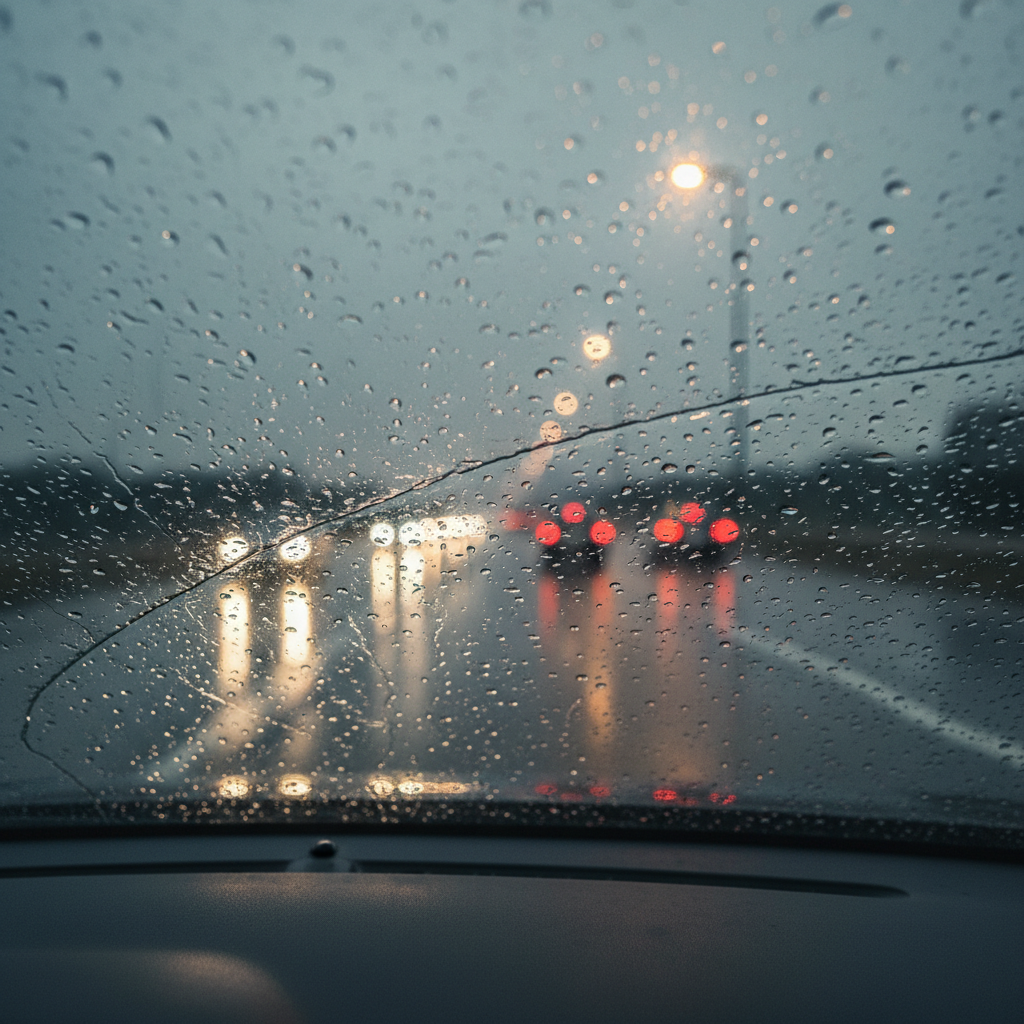
What a windshield rain repellent actually does
Most rain repellents are hydrophobic treatments, meaning they reduce water’s ability to “cling” to glass. When the surface energy changes, water tends to bead up and move off the windshield faster, especially once airflow increases.
In practice, that can mean less water film at speed, fewer wiper passes, and better clarity in light-to-moderate rain. In slow city driving, you still rely on wipers, but many drivers like the way the glass looks cleaner between wipes.
- Best-case scenario: tight beads, quick runoff, fewer streaks, less chatter.
- Common tradeoff: if applied too thick or on dirty glass, you can get haze, smears, or wiper judder.
- Reality check: heavy rain + grime + worn blades can overwhelm any product.
Key takeaway: A rain repellent helps most when your windshield is clean, your blades are in good shape, and you apply it in thin, even layers.
Quick comparison table: popular types and how to choose
There are a lot of “best” lists, but the smarter move is matching product type to your driving pattern and patience for prep. Here’s a practical way to think about it.
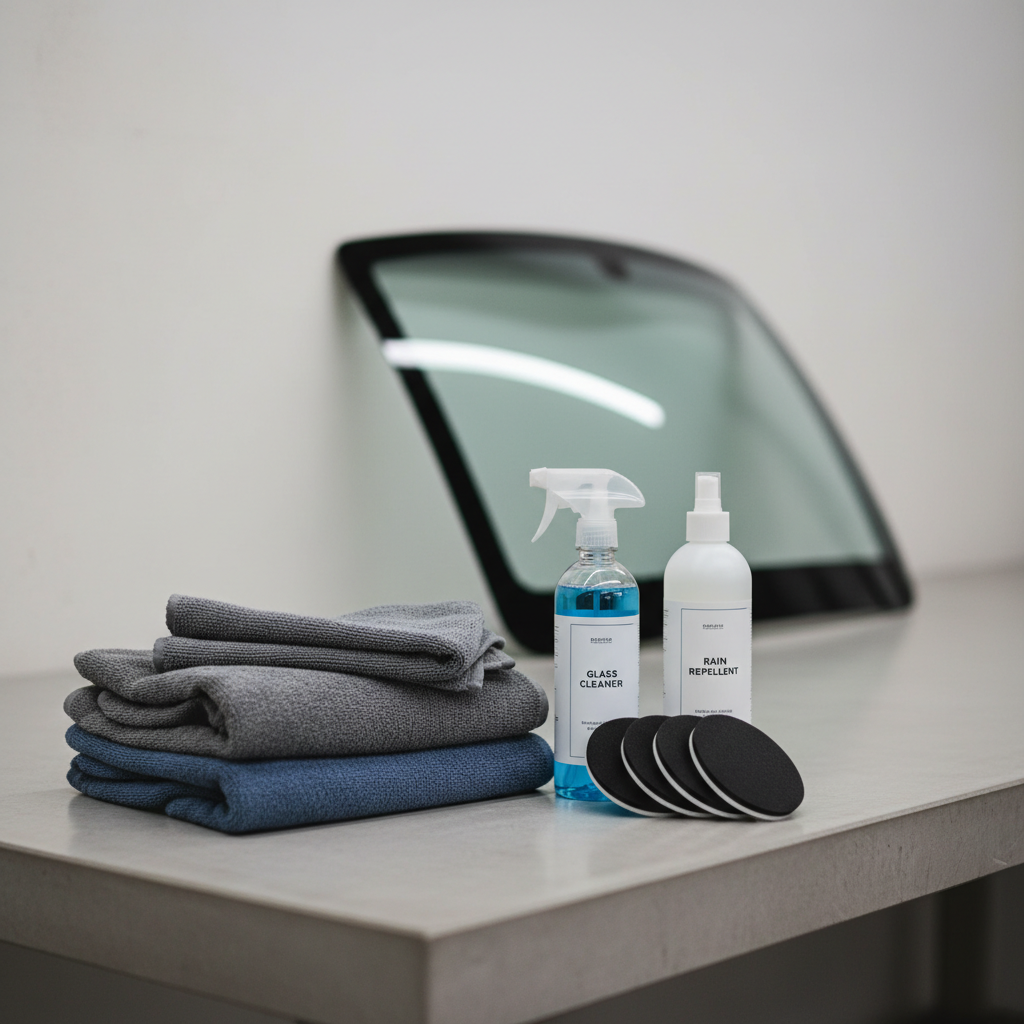
| Type | What it feels like | Typical durability | Who it fits |
|---|---|---|---|
| Spray-on / wipe-on hydrophobic | Fast beading, easy DIY | Days to a few weeks | Most drivers, quick maintenance |
| Polish + sealant style | Better clarity if prepped well | Weeks to 2 months | Drivers who don’t mind extra steps |
| Coating-style (consumer “ceramic” glass) | Strong water behavior, more prep | Months (varies widely) | Frequent highway driving, enthusiasts |
| Washer-fluid additives | Convenient, lighter effect | As you use fluid | Low-effort upkeep, mixed climates |
If you are shopping for the best car rain repellent windshield experience specifically, the sweet spot for many people is a dedicated wipe-on product plus decent blades, then touch up every few weeks.
What usually causes “it doesn’t work” (or it works, but looks worse)
Many “bad product” complaints are really compatibility or prep problems. Not always, but often enough that it’s worth troubleshooting before you switch brands.
- Glass isn’t truly clean: road film, traffic haze, and leftover wax can block bonding, leading to patchy beading.
- Over-application: thick layers can haze, especially at night under oncoming headlights.
- Wrong towel or method: linty towels and uneven pressure leave high spots that smear.
- Old wiper blades: hard rubber can chatter on treated glass and create repeating streaks.
- Dirty blades: even new blades can pick up oils, then drag them across the coating.
- Mixed products: some glass cleaners and “all-in-one” detail sprays leave residues that fight the repellent.
According to NHTSA, maintaining clear visibility is a core part of safe driving, and wipers, washers, and defrosters are basic equipment that needs to function properly. A repellent is an add-on, not a substitute.
Self-check: are you a good candidate for a rain repellent right now?
This sounds basic, but it saves time. If you answer “no” to multiple items, fix those first, then evaluate the product.
- My windshield has no stubborn film that survives normal glass cleaner
- My wipers are under a year old, or at least not skipping/chattering
- I can apply in shade or a cool surface, not hot sun on warm glass
- I’m willing to buff until the glass looks uniform, not “almost done”
- I drive at speeds where airflow helps water move off the glass
If your windshield has chips, deep pitting, or wiper scratches, repellents can still help, but those defects can scatter light, so expectations should stay realistic.
How to apply windshield rain repellent (steps that matter)
The best car rain repellent windshield results usually come from boring discipline, clean surface, thin product, full buff. Here’s a workflow that works for most wipe-on products, but always follow your label if it differs.
1) Clean the glass like you mean it
- Wash the windshield, then use a dedicated glass cleaner.
- If the glass feels “grabby” or looks rainbow-ish, consider a glass prep step or an alcohol wipe, depending on the product instructions.
- Dry with a clean microfiber towel reserved for glass.
2) Apply thin, even coverage
- Use a foam applicator or microfiber applicator, not a random shop rag.
- Work in small sections, overlapping passes.
- Avoid trim and paint unless the product says it’s safe there.
3) Let it haze, then buff fully
- Wait the recommended time, then buff until the glass looks uniform.
- Flip towels often, swap to a second towel for final clarity.
4) Test and “level” streaks before you drive at night
- Lightly mist water and run a clean towel pass if you see patchiness.
- At night, check for glare or smearing under streetlights.
Some coating-style products require a cure window without rain. If your forecast is messy, a simpler wipe-on product can be the more practical pick.
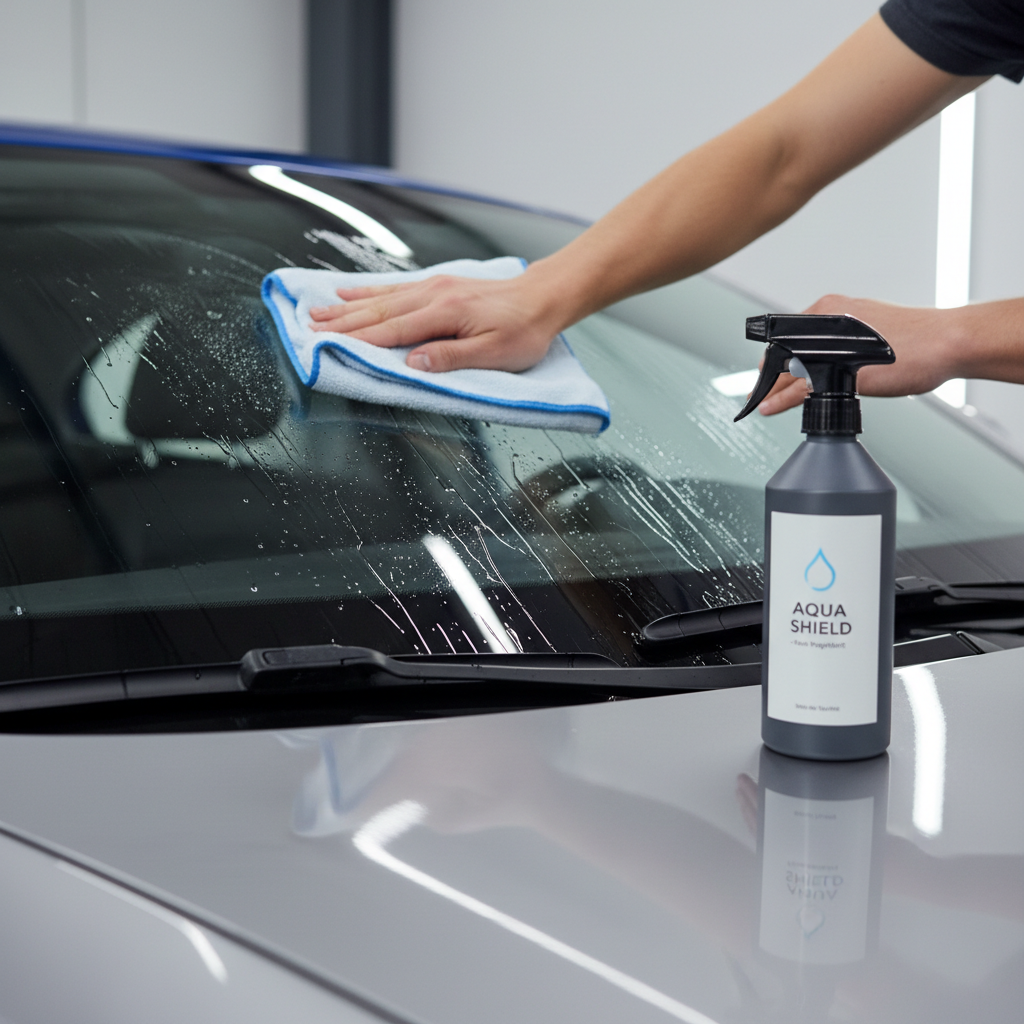
Real-world picks: what “best” usually means by driver type
I’m not going to pretend there is one universal winner, because conditions vary, and even wiper blade material changes the experience. Instead, here’s how many drivers end up choosing.
- Busy commuters: a reputable wipe-on repellent you can reapply quickly, plus washer fluid you actually keep topped off.
- Highway-heavy drivers: a longer-lasting sealant or consumer coating, because airflow makes the hydrophobic effect more obvious.
- Night drivers: prioritize clarity and low haze, even if durability is shorter, and do a careful final buff.
- Snow-and-salt climates: expect more frequent reapplication, since abrasion and grime can shorten life.
If your main pain is wiper chatter, try a different blade style or clean the blades first, before blaming the repellent. Sometimes the “fix” is $20 blades, not a new chemical.
Care and maintenance: keep the effect without creating buildup
Rain repellents fade in a predictable way, the beads get larger, water clings more, and you start reaching for wipers sooner. Maintenance keeps it pleasant.
- Weekly: wash windshield with a gentle automotive soap, rinse well.
- As needed: clean wiper blades with a damp microfiber, then dry.
- Every few weeks: top up the repellent lightly instead of stacking thick layers.
- When it gets weird: strip and reset, deep-clean glass, then reapply.
According to AAA, good visibility and properly functioning wipers are important for safe driving in poor weather. If your blades smear even on clean glass, replacement is often the simplest improvement.
Mistakes to avoid (the small stuff that ruins results)
- Applying in direct sun on hot glass: product flashes fast, buffing becomes uneven.
- Using one towel for everything: a towel that touched interior dressing can contaminate glass.
- Ignoring side windows and mirrors: if visibility is your goal, treat the glass you actually look through.
- Relying on repellent in severe weather: slow down and increase following distance, coatings do not change braking limits.
If you keep getting haze no matter what, pause and reassess the whole stack, cleaner, towels, product, and even your washer fluid. A “mystery film” is usually residue, not bad luck.
Conclusion: a practical way to pick your best option
The best car rain repellent windshield setup is the one you can apply cleanly and maintain without drama, because consistency beats a one-time perfect application you never repeat.
If you want a simple next step, start with fresh wiper blades, deep-clean the windshield, then use a reputable wipe-on repellent and evaluate it for a week of real driving. If you love the effect, upgrade to a longer-lasting product later, once your routine is dialed in.
If you notice persistent wiper chatter, distorted glare at night, or visibility problems that do not improve with cleaning and new blades, it may be worth asking a professional detailer or glass shop for help, especially if the glass has etching or damage.