
How to organize car interior starts with one honest decision, your car is either a “stuff lives here” space or a “stuff passes through” space, and most mess comes from mixing the two.
If you drive kids, commute with coffee, carry gym gear, or keep work supplies in the back seat, clutter sneaks in fast, and then it starts costing you time, attention, and sometimes patience when you cannot find the one thing you need.
This guide keeps it practical, you will set up a few simple zones, choose storage that fits your car and habits, and build a quick routine that holds up on real weeks, not just the day you clean it.
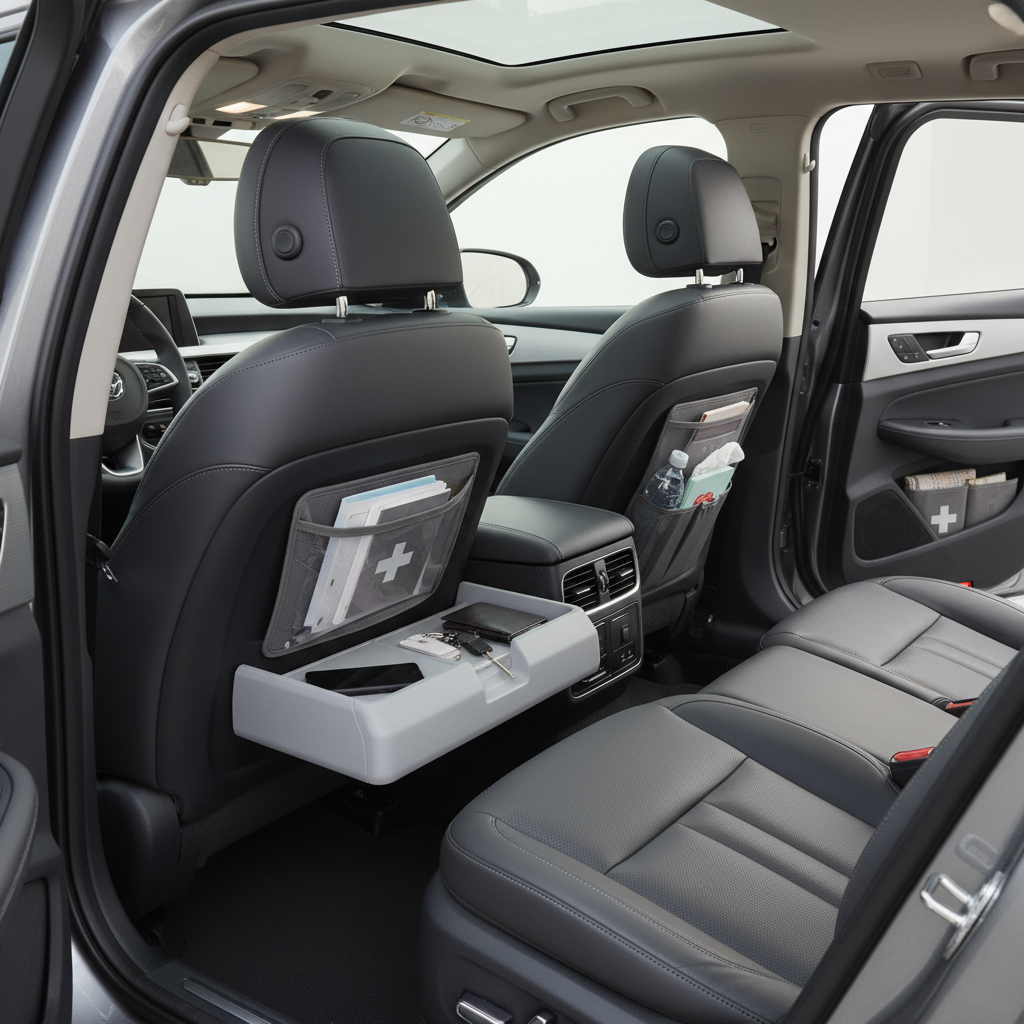
Start with a quick reset (and a little honesty)
The fastest way to get traction is a short reset, not a full detail. Pull everything out that does not belong in a car, then decide what earns a permanent spot.
- Trash out first: receipts, cups, wrappers, random packaging.
- Remove “maybe” items: old mail, unused cords, broken sunglasses, half-empty bottles.
- Keep only what you actually use while driving: not what you might use once a year.
Many people get stuck trying to be perfectly minimal. You do not need that. You need clear homes for the few things that stay, and a plan for everything else that enters the cabin.
Create simple zones that match how you drive
When people ask how to organize car interior, the missing piece is usually zones. If every item can float anywhere, it will.
Recommended zone layout (works for most cars)
- Driver zone: items you may need within reach, kept small and secure.
- Passenger zone: shared items like tissues, wipes, a pen, charging cable.
- Back seat zone: kid gear, travel items, occasional-use supplies.
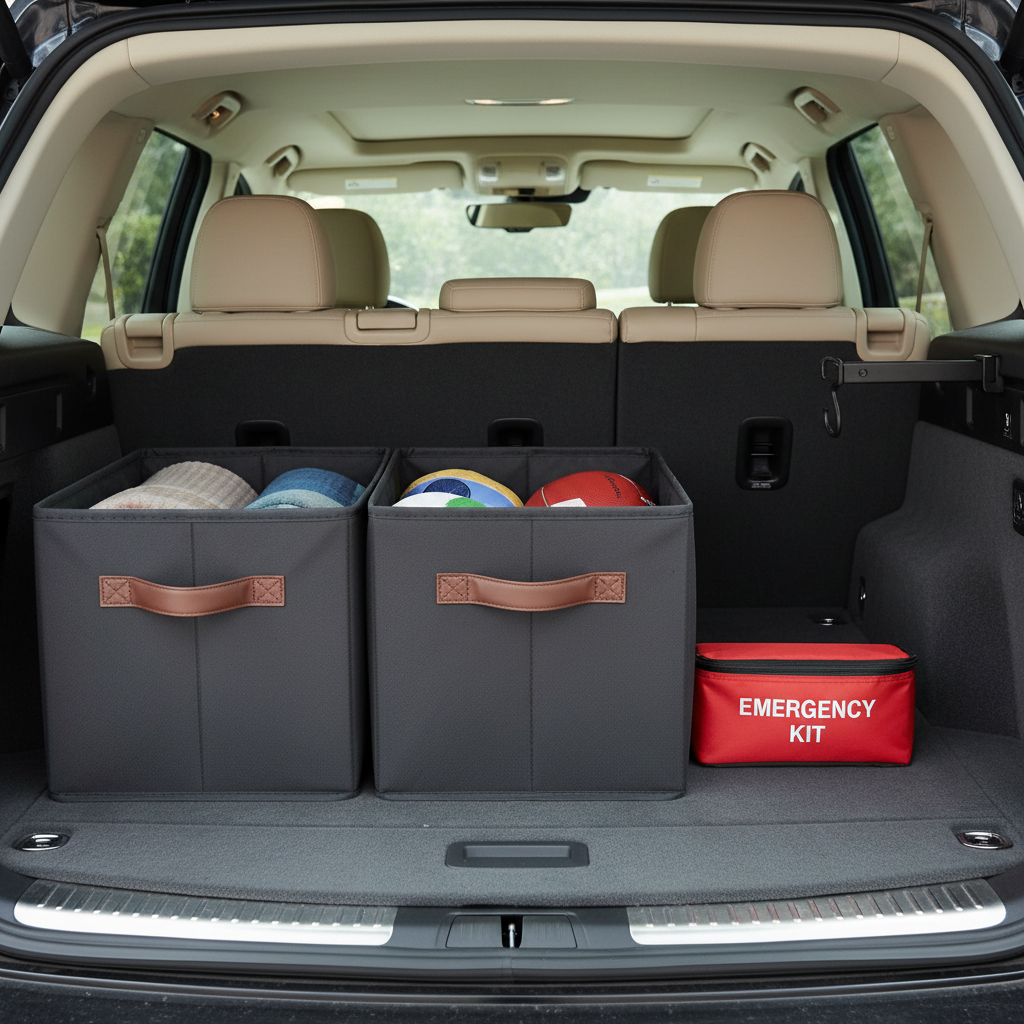
- Trunk/cargo zone: bulk storage, groceries, sports gear, emergency kit.
According to NHTSA, loose items in a vehicle can become dangerous projectiles in a crash, so zones are not just tidy, they are also a basic safety habit.
Pick storage that fits the space (and does not get in your way)
Storage gadgets are tempting, but the best setup uses a few pieces that fit your car and your routines. If a bin blocks access or slides around, you will stop using it.
What usually works well
- Console tray insert: creates “slots” for small items so they do not pile up.
- Seat-back organizer: great for families, but keep it slim so knees still fit.
- Collapsible trunk bins: stops groceries and gear from tipping over.
- Small lidded trash can or trash bag holder: one of the biggest wins for daily order.
What to be careful with
- Anything that interferes with airbags or seat movement, especially bulky seat covers and hanging organizers near the front.
- Heavy items stored high (rear shelf, loose on seats), move them to the trunk and secure them.
If you are unsure whether an accessory affects safety systems, it is worth checking your vehicle manual or asking a qualified installer, since designs vary by model.
Use the “keep vs. carry” checklist to decide what stays in the car
Clutter returns when you treat your car like a rolling closet. A quick rule: keep only items that support driving, safety, and the two or three routines you do every week.
Self-check: should this item live in your car?
- Do I use it at least weekly, or is it for a rare scenario?
- Is it safe to store in a car with heat and cold swings?
- Does it have a dedicated home, not “somewhere on the seat”?
- If I had to brake hard, would it stay put?
If you answer “no” to two or more, it probably belongs at home, at the office, or packed only for specific trips.
Set up a 10-minute system (not a weekend project)
Organization only sticks if it fits your life. The most effective approach is a small daily reset plus a short weekly refresh.
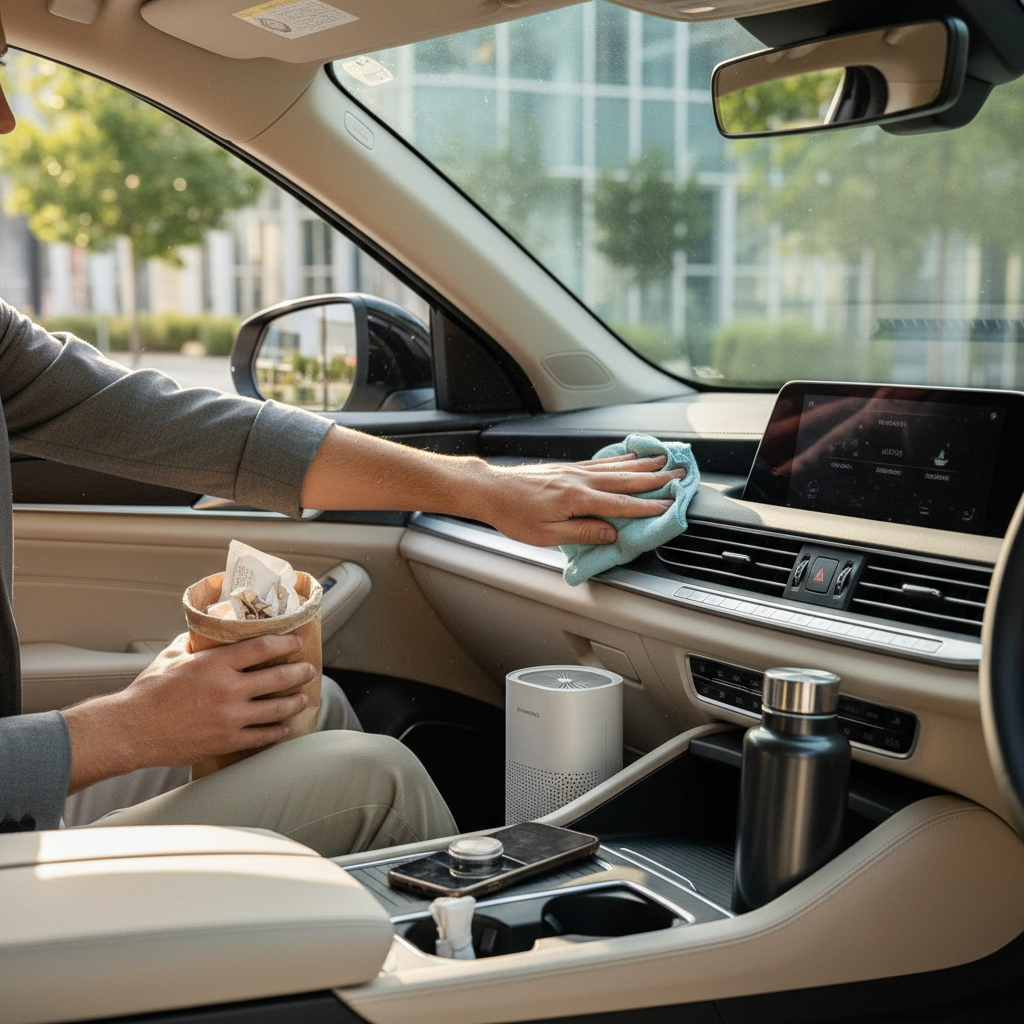
Daily “exit routine” (60–90 seconds)
- Take out trash and cups.
- Return loose items to their zones.
- Bring in anything that should not live in the car overnight.
Weekly reset (10 minutes)
- Empty the trash container.
- Quick vacuum of driver mat area and the seat cracks.
- Wipe high-touch areas: steering wheel, shifter, door pulls.
- Re-stock essentials from your home “car bin.”
If you share the car with family, agree on one rule that feels almost too simple, for example: nothing stays on the floor. Floors collect everything, and then the whole car feels messy even when it is not.
Essentials table: what to keep, where to store it, and why
This is a baseline, adjust for weather, commute length, and who rides with you. Avoid overpacking because too many “just in case” items usually becomes the problem.
| Item | Best zone | Why it helps | Notes |
|---|---|---|---|
| Small trash holder + liners | Passenger zone / back seat | Prevents wrapper and receipt buildup | Empty weekly so odors do not set in |
| Tissues + disinfecting wipes | Passenger zone | Quick cleanups, especially with kids | Heat can dry wipes, check the seal |
| Charging cable (short) + adapter | Driver or passenger zone | Reduces loose cords everywhere | Consider a coiled cable to reduce tangles |
| Reusable grocery bags | Trunk/cargo zone | Stops plastic bag overflow in the cabin | Store in a small bin so they stay folded |
| Emergency kit | Trunk/cargo zone | Preparedness without clutter | Review seasonally, consult local guidance |
Common mistakes that make clutter come back
Most “failed” car organization attempts fail for boring reasons, the system asks too much from you, or it creates new friction.
- Too many containers: you spend time opening, closing, stacking, and still misplace things.
- No landing spot for incoming items: if you do drive-thru, mail, packages, you need one temporary tray or pouch.
- Ignoring paper: receipts and flyers multiply fast, keep a small envelope, empty it weekly.
- Storing items that hate heat: some toiletries, aerosols, and batteries can degrade, and in some cases become unsafe, check labels and use caution.
One more thing people do without noticing, they keep “donation items” or “return items” in the trunk for weeks. Give those a deadline, if it is not handled by Sunday, it goes back inside the house where it will bother you enough to act.
Key takeaways and a simple next step
If you want a car that stays clean, treat it like a small room with rules, set zones, store fewer things, and do a short reset more often than you do a big clean.
- Choose 4 zones and give every recurring item a home.
- Add one trash solution and one trunk bin before buying anything else.
- Use the 90-second exit routine so clutter never gets a chance to pile up.
Pick one action today: set up a trunk bin and a small trash holder, then run the quick reset for seven days and see what still feels annoying, that annoyance tells you what to adjust next.
FAQ
How do I organize my car interior if I have kids?
Start with containment, one slim seat-back organizer and one lidded trash option usually does more than five small pouches. Keep snacks and activities in the back seat zone, but reserve the front for driving essentials so it stays calm.
What is the best way to keep a car clean on a daily commute?
Do a quick “leave no trace” when you park, trash out, cups out, and everything else back to its zone. If your commute includes coffee or food, a dedicated trash spot prevents the slow build that makes the car feel out of control.
How to organize car interior without buying organizers?
You can get far with a simple rule set: nothing on the floor, one temporary landing spot, and a weekly empty-and-wipe routine. Repurpose a small box you already have for the trunk and use a reusable bag as a catch-all until you learn what storage you truly need.
Where should I keep important documents in the car?
Many drivers keep registration and insurance paperwork in the glove box, but avoid stuffing it with unrelated items so you can access documents quickly. If theft is a concern where you live, you may prefer keeping sensitive papers with you and carrying only what is required, local rules vary.
How do I stop my trunk from becoming a junk drawer?
Use two bins, one for “always in the car” items and one for “this week” items. The second bin should be emptied on a schedule, otherwise it becomes a storage unit and you lose the point of having a trunk zone.
Is it safe to keep cleaning sprays or aerosols in the car?
It can be risky in hot climates because pressure and heat may affect containers. If you are not sure, check the product label and consider keeping wipes instead, or store products in a temperature-controlled place and restock as needed.
How often should I deep clean after organizing?
Most people do fine with a light weekly reset and a deeper clean when seasons change or after heavy use like road trips. If allergies or sensitivities are a concern, you may want more frequent vacuuming and should consider asking a professional detailer for product advice.
If you are trying to organize a car interior that has to handle work gear, kids, or rideshare use, it can be easier to start with a simple “zone kit” approach, a small set of storage pieces that fit your exact vehicle, then adjust after a week of real driving instead of guessing upfront.