
Best car sun visor extensions for glare are a simple upgrade that can make bright sun feel less like a fight and more like normal driving, especially during low-angle morning and evening light.
If you’ve ever had the visor “almost” cover the sun but leave a blinding gap right where you need to see, you already know the problem, glare isn’t just annoying, it can make road signs, lane markings, and pedestrians harder to spot.
This guide breaks down what actually matters when buying a visor extender, where people waste money, and how to set it up so it helps without creating new blind spots.
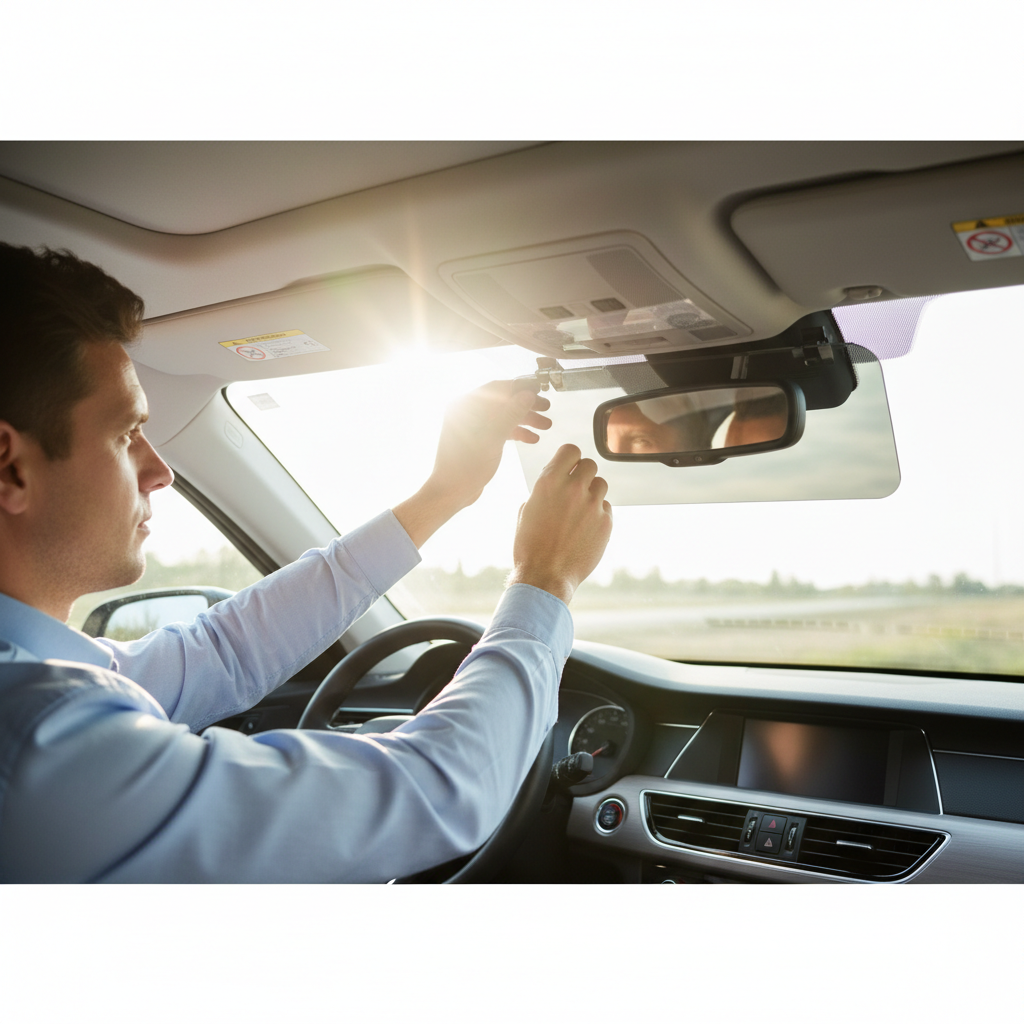
Why visor extensions help (and when they don’t)
Regular visors often fall short in two common situations, low sun that hits under the visor edge, and wide windshields where the visor can’t cover enough area near the mirror.
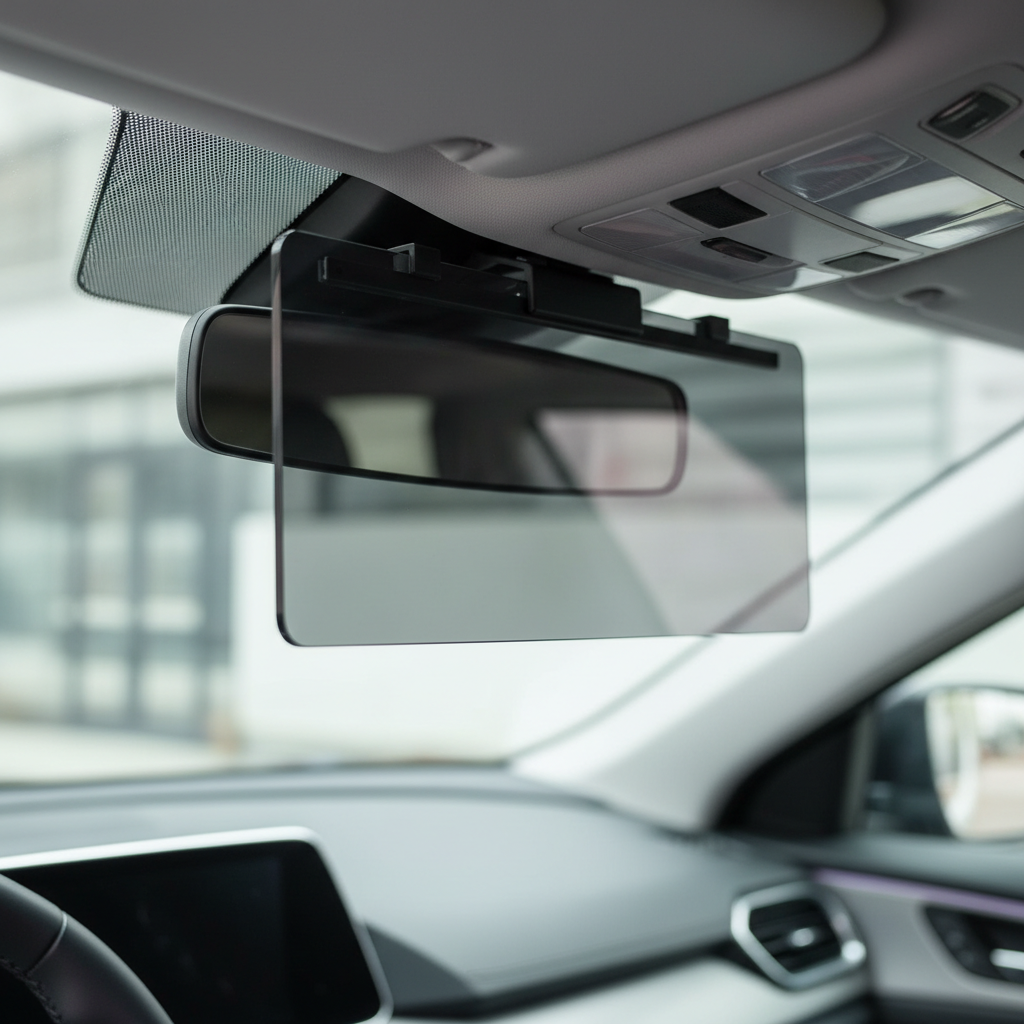
A visor extension adds coverage vertically, horizontally, or both. Many designs also use a tinted panel to soften harsh light without fully blocking your view.
- They help most with low-angle glare on highways and open roads, where sunlight stays in your eyes for long stretches.
- They help less if your windshield is dirty, your wiper blades smear, or your glasses are scratched, those issues can amplify glare on their own.
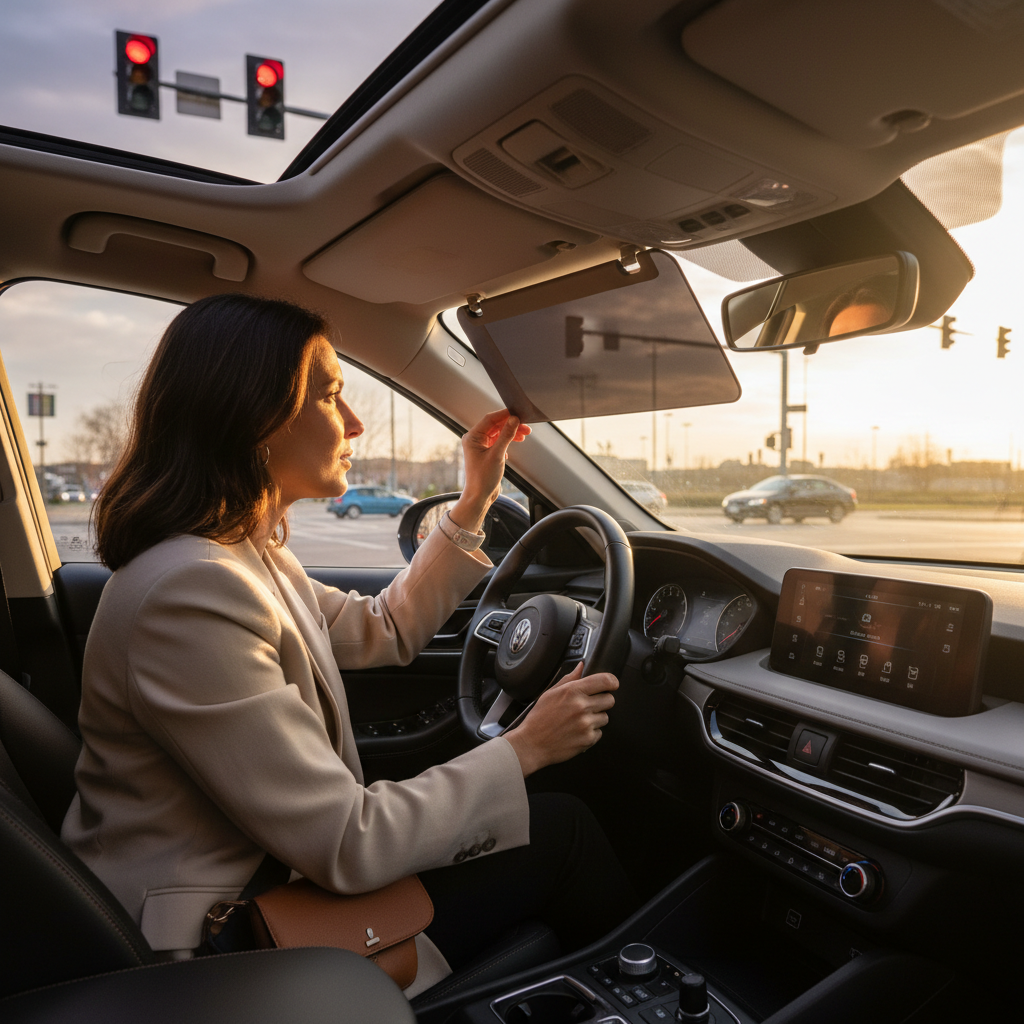
- They can backfire if the panel is too dark at dusk or if the extender blocks traffic lights at intersections.
According to NHTSA, driver visibility is a key safety factor, so any add-on that changes your field of view deserves a quick “fit check” before you rely on it in traffic.
Types of car sun visor extensions (quick comparison)
Most products fall into a few buckets, and the “best” choice depends more on your commute than the marketing photos.
| Type | What it does | Best for | Watch-outs |
|---|---|---|---|
| Flip-down tinted panel | Adds a shaded screen under your visor | Morning/evening glare, long highway drives | Can be too dark at dusk, may distort if cheap plastic |
| Slide-out extender | Extends visor sideways toward the center | Sun near the rearview mirror area | May interfere with vanity mirror, can loosen over time |
| Clamp-on “visor lengthener” | Adds extra drop length to cover lower sun angle | Tall drivers, big windshields, SUVs | Bulkier, may bounce on rough roads |
| Polarized clip-on panel | Reduces reflected glare more aggressively | Water, snow, shiny dashboards | Can interact oddly with polarized sunglasses and screens |
How to choose the best car sun visor extensions for glare
When people end up disappointed, it’s usually one of three things, wrong size, wrong tint, or poor mounting that slips mid-drive.
1) Fit: measure before you buy
Quick checks that save headaches:
- Visor thickness: clamp mounts vary, a “universal” clip can still be too tight or too loose.
- Drop length: if glare hits your eyes below the visor, prioritize a longer vertical reach.
- Mirror clearance: make sure it won’t bump your rearview mirror housing or ADAS camera cover.
2) Optical quality: look for clarity first, tint second
A slightly lighter, clearer panel often beats a dark, wavy one. Distortion makes judging distance harder, especially at speed.
- Look for notes about optical clarity and rigid construction that won’t flex.
- Avoid panels that visibly ripple when you look through them at an angle.
3) Tint choice: day vs. dusk
Many products offer a dark smoke panel and a yellow/amber panel. Smoke tends to be better under intense sun, amber can feel nicer in haze or overcast glare, but it’s not magic, and it can shift color perception. If you do a lot of late-day driving, avoid going too dark.
Fast self-check: do you actually need a visor extender?
Before you shop, it’s worth separating “I hate glare” from “my setup is making glare worse.” This list is quick, but it’s honest.
- You regularly drive into low sun and your visor leaves a bright strip near the mirror.
- You find yourself ducking or leaning to get out of the glare.
- You avoid certain routes or times because sunlight feels unsafe.
- Your windshield is clean, but glare still feels overpowering.
- You already tried adjusting seat height and visor angle, and it still doesn’t cover the problem area.
If your windshield has a film of haze or your wipers smear, handle that first. In a lot of cases, cleaning the inside glass properly changes the game more than any add-on.
Installation and setup tips that make a real difference
A visor extension can be “installed” in one minute and still be wrong. The goal is coverage without blocking information you need to drive.
Set it up in a parking lot, not on the road
- Park, buckle in, set your normal driving posture, then adjust the extender.
- Check sightlines to traffic lights, overhead signs, and pedestrians at crosswalk height.
- Do a quick mirror check to ensure it doesn’t limit your rearview or block sensor housings.
Angle matters more than people expect
If the panel is tilted toward you, it can reflect dashboard light or create a weird secondary glare. Keep it as flush and stable as the design allows.
Pair it with the “boring” fixes
- Clean the inside of the windshield with a proper glass cleaner and a low-lint towel.
- Replace worn wipers, smears turn sunlight into a starburst.
- Consider a non-glossy dash cover if your dashboard reflections are severe.
Common mistakes (and what to do instead)
A few patterns show up again and again when people try to solve glare fast.
- Buying the darkest panel available: it can make dusk driving feel like sunglasses at night. Choose “just enough” tint for your conditions.
- Mounting too low: great glare reduction, but now you can’t see the light turning yellow. Reposition, then re-check intersections.
- Ignoring vibration: a loose clip that bounces is distracting. If it won’t stay tight, it’s the wrong clamp design for your visor.
- Assuming one extender fits every driver: seat height and torso length change everything, a tall driver often needs more drop length.
Also worth saying, best car sun visor extensions for glare won’t fix glare caused by vision issues. If glare sensitivity feels new or extreme, it may be worth discussing with an eye care professional.
When to consider professional help or alternative solutions
If you try an extender and you still feel unsafe, don’t force it. There are other paths that might fit your situation better.
- Windshield condition: pitting and micro-scratches can scatter light. A glass shop can tell you whether replacement is reasonable.
- Window tint laws: if you’re thinking about tinting, check your state rules first. A reputable installer usually helps you stay compliant.
- Vision concerns: sudden glare halos, poor night vision, or headaches can have multiple causes, an optometrist can evaluate.
According to AAA, reducing distractions and maintaining clear visibility are core defensive-driving principles, so prioritize anything that keeps your view stable and predictable.
Key takeaways and a practical buying shortlist
If you want a clean way to narrow choices, start with your glare scenario, then match the design.
- Sun sits low and hits under the visor: pick a vertical drop extender or flip-down tinted panel with enough height.
- Glare sneaks in near the mirror: choose a slide-out extender that covers the center gap.
- Snow, water, shiny roads: consider a polarized panel, but test it with your sunglasses and in-car screens.
From there, prioritize stable mounting and optical clarity. That’s usually what separates a product you keep from one that ends up in the glove box.
If you’re shopping online, scan reviews for “distortion,” “wavy,” “doesn’t stay put,” and “blocks traffic lights.” Those phrases tell you more than star ratings.
Conclusion: reduce glare without creating new blind spots
The right setup can make bright commutes less tense, and the best car sun visor extensions for glare are the ones that match your exact pain point, fit your visor securely, and keep your view of signals and hazards intact.
Pick one design based on where the sun hits you most, then do a careful parking-lot fit check before trusting it on a busy road. If glare still feels overwhelming after basic fixes and a solid extender, consider windshield condition or a vision check as your next step.
FAQ
What is the best type of sun visor extender for low sun in my eyes?
Most people do well with a flip-down tinted panel or a vertical drop extender, because it covers the “below visor” gap where low sun sneaks through. The key is enough drop length without blocking lights at intersections.
Do visor extensions work with cars that have built-in visor extenders?
Sometimes, yes, but it depends on space and how the built-in extender slides. If your factory visor already extends sideways, you may get more value from a vertical tinted panel rather than stacking two sideways extenders.
Can a visor extension damage my visor?
It can if the clamp is too tight or the edges are sharp. If you notice indentation, creasing, or the visor no longer stays up firmly, stop using that mount style and switch to a better-fitting clip.
Is a polarized visor extender better than a regular tinted one?
Polarized panels can reduce reflected glare more strongly, especially off water, snow, and shiny surfaces. But they may look odd with polarized sunglasses or some LCD screens, so testing matters.
How dark should the tinted panel be for daytime driving?
Dark enough to take the edge off, not so dark that shaded areas become hard to read. If you often drive at dusk, a medium tint is usually easier to live with than the darkest option.
Why do I still get glare even with an extender installed?
Common causes include a hazy windshield interior, worn wipers, pitted glass, or reflections off the dashboard. Fixing those often improves results more than changing to a different extender.
Are visor extensions legal everywhere in the U.S.?
Aftermarket accessories that obstruct your view can be an issue in some situations. Laws and enforcement vary, so it’s smart to ensure you still have a clear view of traffic signals and the road, and check local rules if you’re unsure.
If you’re trying to choose between a few visor extension styles and want a more “set it once and forget it” setup, it helps to share your vehicle type, typical drive times, and where the glare hits, then you can narrow to the simplest option that stays secure and doesn’t block signals.