
How to remove oil filter without tool is mostly about grip, leverage, and patience, not brute force, especially when the last oil change overtightened the filter.
If you do your own oil changes, a seized filter can turn a 20-minute job into an afternoon of scraped knuckles and spilled oil. The good news is you usually have more options than you think, even without a dedicated wrench.
I’m going to walk you through realistic, garage-friendly techniques, what to try first, how to keep the mess under control, and the lines you should not cross because some “hacks” can damage the filter housing or mounting surface.
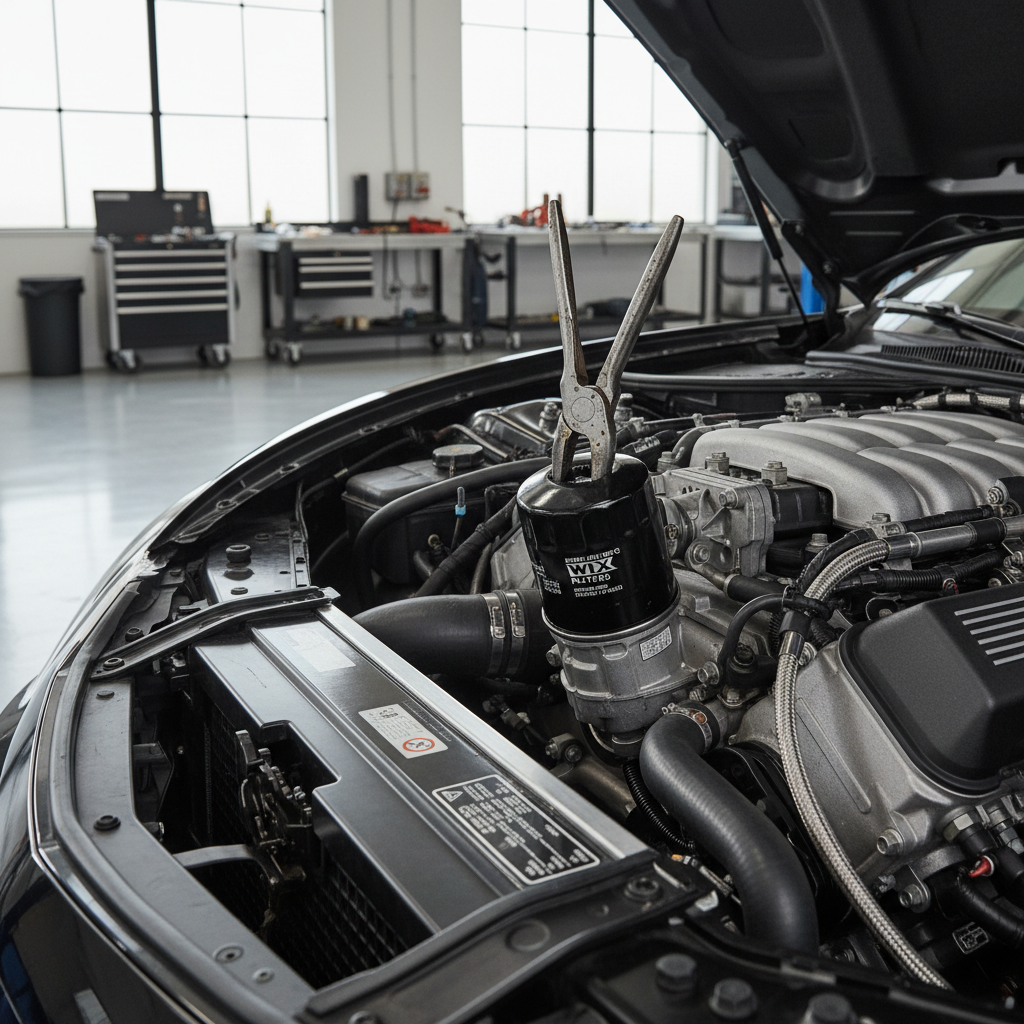
Before you try anything: safety and setup that actually matters
A stuck oil filter is annoying, but rushing usually makes it worse. Do the basics, then the “no-tool” methods work far better.
- Let the engine cool if it was running, hot oil and hot exhaust parts can burn you.
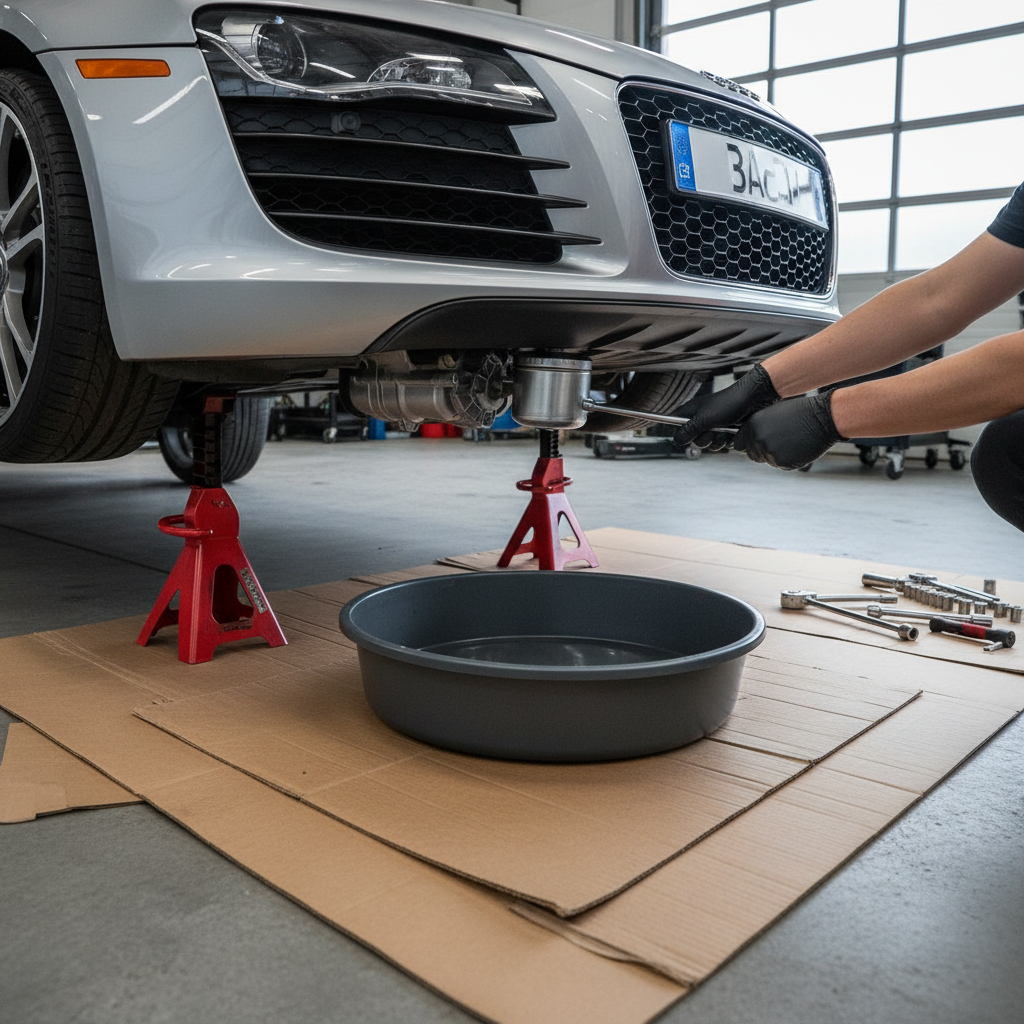
- Protect the ground with cardboard or an oil drain pan positioned under the filter, not just under the drain plug.
- Wear nitrile gloves, oil on your hands kills grip, which is the whole game here.
- Relieve pressure by removing the oil fill cap on top of the engine, this often helps oil drain cleaner.
According to OSHA, appropriate PPE such as gloves and eye protection helps reduce common shop injuries, so if you expect oil to drip when the seal breaks, safety glasses are a smart move.
Know what you’re removing: spin-on vs cartridge filters
Most “no-tool” talk applies to spin-on filters, the metal canister that twists off. If your vehicle uses a cartridge filter inside a plastic or aluminum housing, “grip tricks” on the outside won’t help, and forcing the housing can crack it.
- Spin-on: looks like a metal can, usually has printed branding and a rounded bottom.
- Cartridge: a cap/housing with a hex shape or molded features, the filter element sits inside.
If you have a cartridge setup and you’re missing the correct socket/cap tool, it’s often cheaper to pause and get the right tool than to risk a broken housing.
Quick self-check: why it’s stuck (and what that changes)
Not every stuck filter is stuck for the same reason. This little diagnosis saves time.
- Overtightened by hand or wrench: common after quick lube visits, you’ll need better grip and steady torque.
- Old gasket stuck to the engine: can feel like the filter “won’t budge,” even once it moves, removal can be jerky.
- Heat-cycled and baked on: more frequent on high-mileage engines, technique matters more than force.
- Cramped access: the filter is near a frame rail or axle, so you can’t get your hands around it.
Key point: if you can’t get a full-hand grip, you’re really solving an access problem, not a strength problem.
Methods that work: how to remove oil filter without tool (start here)
When people ask how to remove oil filter without tool, what they usually need is a progression, easy attempts first, then more aggressive options only if needed.
1) Dry-glove grip + steady torque
Wipe the filter canister clean with a rag, then wipe your gloves too. Put your hand as close to the engine side of the filter as you can, that’s where the canister flexes least.
- Push inward slightly as you twist counterclockwise, it helps keep contact.
- Use slow, increasing pressure, fast jerks tend to slip.
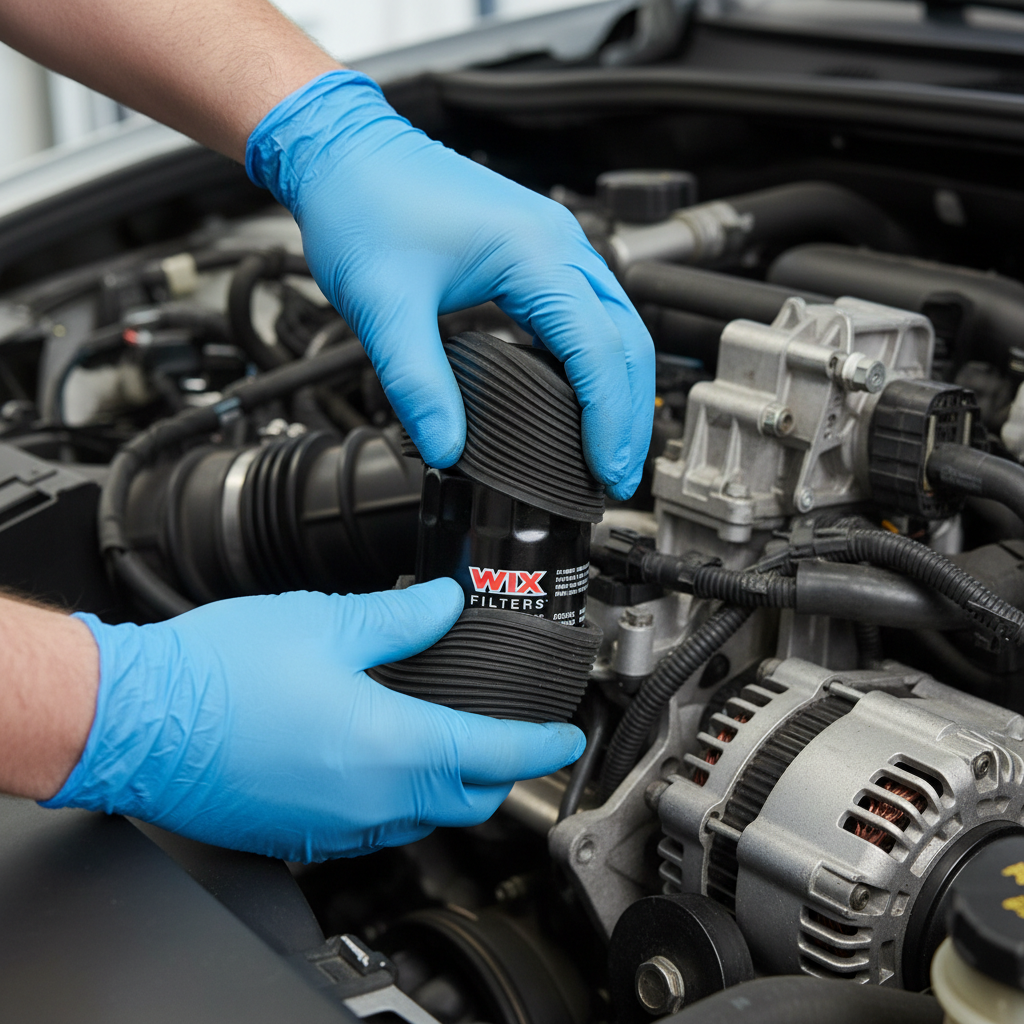
2) Rubber + friction: jar opener, silicone mat, or a strip of inner tube
Any grippy rubber dramatically improves your odds. A rubber jar opener pad, a silicone baking mat cut into a strip, or a piece of bicycle inner tube works surprisingly well.
- Wrap rubber around the filter.
- Grip the rubber, not the metal.
- Twist with constant pressure, reposition if it “walks” off the can.
3) Belt trick (no special wrench required)
If you can route an old leather belt or sturdy nylon strap around the filter, you can create a strap-wrench effect. The trick is to pull the belt so it tightens as you turn.
- Loop belt around the filter, leave a long tail.
- Cross the tail over itself so the loop cinches.
- Pull the tail while twisting the filter body counterclockwise.
This is one of the better “no tool” options because it increases grip without crushing the filter can.
4) Tap-and-turn (gentle shock to break the seal)
If the gasket is stuck, a light shock can help. Use the handle of a screwdriver or a small piece of wood and tap around the base of the filter where it meets the engine, then try again with rubber grip.
- Don’t smash the canister, think “firm knocking,” not “hammering.”
- Work around the circumference, then attempt removal.
When access is the real issue: reposition and reduce your struggle
Sometimes the filter is easy, your arms just can’t get a clean angle. Before escalating force, change the conditions.
- Turn the steering wheel if access is through a wheel well.
- Remove a splash shield if it blocks your wrist angle.
- Use a rag “twist”: wrap a rag around the filter and twist the rag ends like a tourniquet to add grip.
- Drain oil first if the filter sits upright and spills easily when loosened.
It sounds basic, but getting your wrist straight often beats any clever trick.
What to avoid: common “no-tool” mistakes that create bigger problems
A few popular methods can work, but they also raise the chance you end up with a mangled filter and still no removal.
- Puncturing the filter with a screwdriver: it can tear the can, dump oil everywhere, and leave you with nothing to grab. If you ever do it, it’s last-resort only, and you still need leverage.
- Crushing the canister with pliers: crushed metal reduces roundness, grip gets worse, and you can deform the base plate.
- Heating the area: open flame near oil and residue is a bad mix, plus you can damage nearby components.
- Over-rotating the filter mount: if you’re twisting anything that isn’t the filter, stop and reassess.
According to NHTSA, regular maintenance reduces the risk of breakdowns, but the maintenance still needs to be done correctly, a stripped stud or damaged sealing surface is the kind of “small” mistake that becomes a leak for weeks.
Practical step-by-step: a safe escalation plan (with a quick reference table)
If you want a simple plan, try these in order and stop once you get movement. This keeps you from jumping straight to destructive options.
| Step | Method | Best for | Risk level |
|---|---|---|---|
| 1 | Clean + dry gloves + hand twist | Normal-tight filters | Low |
| 2 | Rubber jar-opener / inner tube | Slippery or slightly overtightened | Low |
| 3 | Belt/strap cinch trick | Overtightened with decent access | Medium |
| 4 | Tap around the base, then retry | Gasket stuck from heat cycles | Medium |
| 5 | Stop and get the correct wrench | Cramped access or repeated slipping | Lowest long-term |
Practical tip: once the filter breaks loose, pause, reposition the drain pan, then spin it off slowly. That first loosen can dump oil down your arm if you rush.
After it’s off: prevent the next “stuck filter” situation
The easiest way to master how to remove oil filter without tool is to make sure you rarely need to. Most stuck filters come from overtightening or a dry gasket.
- Check the old gasket came off, a double-gasket situation can cause leaks.
- Lightly oil the new gasket with fresh engine oil, it helps it seal and release next time.
- Hand-tighten only unless your filter/vehicle spec says otherwise, many filters call for hand-tight plus a fraction of a turn.
- Write the mileage/date on the new filter, so you don’t leave it on too long.
If you see oil seepage after the change, shut down and recheck. A small drip now can become a bigger mess later.
When to stop and get help (or at least the right tool)
There’s a point where “no tool” turns into “no progress,” and continuing can create damage that costs far more than a simple filter wrench.
- The filter canister collapses or tears and still won’t turn.
- You suspect a cartridge housing is cracking or rounding off.
- You see oil leaking from the mount area after partial movement.
- Access is so limited you can’t keep steady pressure without slipping.
In those situations, getting a cap-style wrench, strap wrench, or having a shop handle it is usually the practical call. If you’re unsure about fitment or torque specs, a professional mechanic can confirm what your engine expects.
Conclusion: the calm way to win against a seized oil filter
Most of the time, how to remove oil filter without tool comes down to cleaning the can, improving friction with rubber, then applying smooth torque instead of sudden force. If it still won’t move, that’s not a failure, it’s a sign you’re at the point where the right wrench or a quick shop visit can save the mounting surface and your patience.
Action steps: try rubber grip first, then the belt cinch method, and if the filter starts deforming, stop and switch to proper tools rather than escalating damage.
FAQ
- Can I remove an oil filter by hand if it’s overtightened?
Sometimes, yes, especially if you clean it well and use a rubber jar opener for extra friction. If your hand keeps slipping, it’s usually not about strength, it’s about grip and angle. - Is the screwdriver-through-the-filter trick safe?
It can work, but it’s risky because it often tears the canister and creates a huge oil spill. It’s better as a last resort after you’ve tried rubber grip and a strap or belt method. - What household items can replace an oil filter wrench?
A rubber jar opener pad, a strip of bicycle inner tube, a silicone mat, or a sturdy belt can all help. What you want is friction and a way to cinch tighter as you turn. - Why did my oil filter get stuck in the first place?
Most cases come from overtightening, installing the filter with a dry gasket, or long service intervals where heat cycles “bake” the gasket. Checking for a stuck old gasket also matters. - How do I know if I have a cartridge oil filter housing?
If you see a plastic or metal cap with a molded hex shape rather than a metal canister, you likely have a cartridge system. Forcing it without the correct socket can crack the housing. - Should I tighten the new oil filter with a wrench?
Many manufacturers intend the filter to be hand-tightened with the gasket oiled, then turned a specified amount. If your manual specifies a torque or method, follow that guidance. - What if the filter turns but oil pours out immediately?
That’s normal once the seal breaks, reposition the drain pan and spin the filter off slowly. If oil appears to leak from an unusual area around the mount, stop and inspect the gasket and sealing surface.
If you’re doing oil changes regularly and you’d rather not fight a stuck filter again, keeping a basic strap wrench and the correct filter cap in your toolbox is a small upgrade that often saves time, mess, and frustration.