
how to reset check engine light is a common search because that glowing icon feels urgent, but the smart move is to figure out why it came on before you clear anything.
Sometimes the fix is simple, like tightening a loose gas cap, and the light turns off on its own after a few drive cycles. Other times the light warns about misfires, sensor failures, or emissions issues, and clearing it just hides the clue your car is trying to give you.
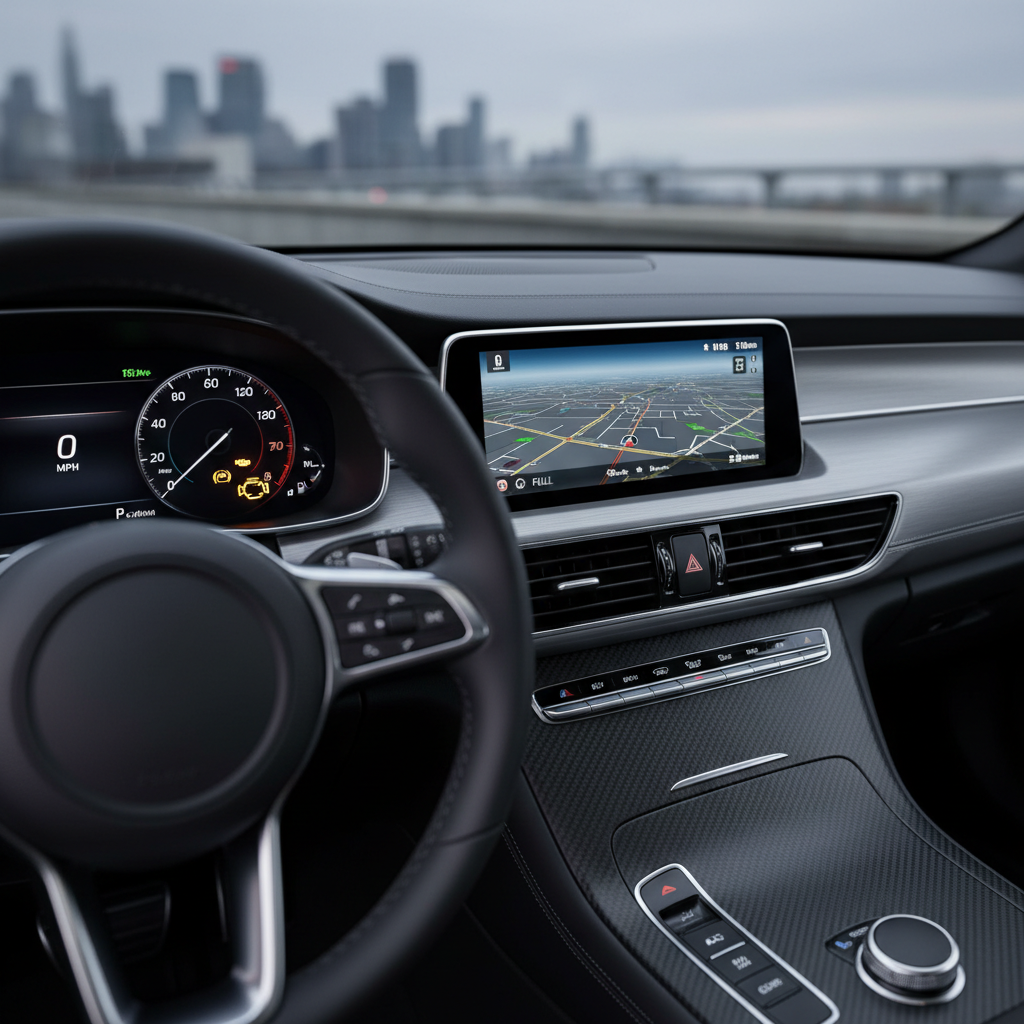
This guide walks you through safe ways to reset the light, how to tell when it’s okay to do it, and the situations where you should stop and get diagnostics instead. You’ll also see what to expect after a reset, especially if you live in a state with emissions testing.
What the check engine light is really telling you
The check engine light is the car’s way of saying the engine computer (ECU) detected something outside its expected range. That “something” can be minor or serious, and the light pattern matters.
- Solid check engine light: usually means a non-urgent fault. You can often drive cautiously, but you still want to diagnose it soon.
- Flashing check engine light: often points to an active misfire that can damage the catalytic converter. Reduce speed, avoid heavy throttle, and consider stopping.
According to the U.S. Environmental Protection Agency (EPA), engine misfires and emissions-related faults can increase pollution and can damage emissions components, which is why many check engine triggers relate to the emissions system.
Before you reset: a quick “should I clear it?” checklist
Clearing codes is tempting, but a reset works best when you’ve already addressed the cause. Use this quick check to decide what lane you’re in.
- Okay to reset (many cases): you fixed something obvious (gas cap replaced, battery recently changed, repaired a known vacuum leak) and want to confirm the light stays off.
- Pause and diagnose first: the car runs rough, idles unevenly, smells like sulfur/rotten eggs, lost power, or the light is flashing.
- Also pause: your state requires emissions testing soon. Resetting can set monitors to “Not Ready,” which may lead to an inspection failure.
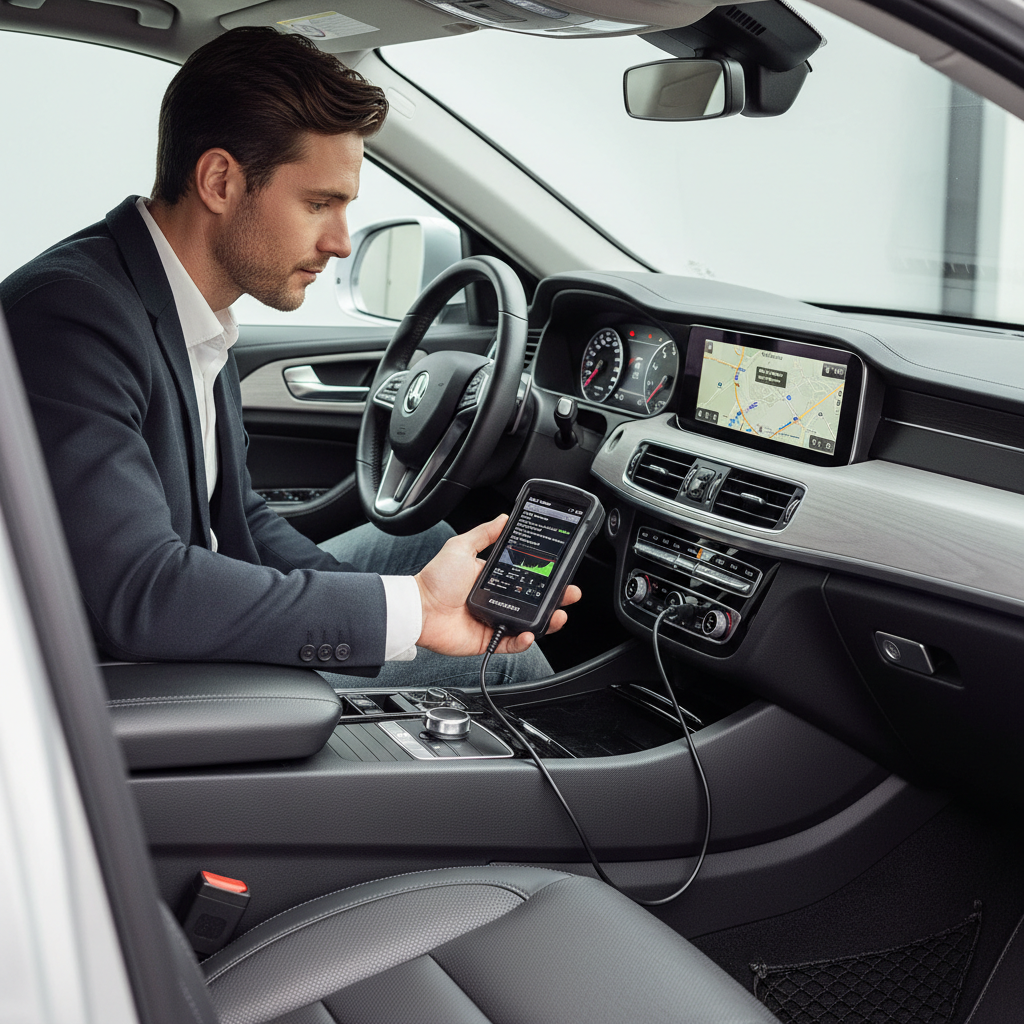
If you’re unsure, read the code first. Even a basic code like P0442 or P0455 (common EVAP leaks) gives you direction and prevents random parts swapping.
The safest way: read codes and clear with an OBD2 scanner
An OBD2 scanner (or a Bluetooth dongle with a reputable app) is the cleanest way to clear the light because it lets you see what triggered it, then erase the stored codes after repairs.
Step-by-step
- Find the OBD2 port, usually under the steering column near the driver’s knees.
- Plug in the scanner, turn the ignition to ON (engine off) unless your scanner says otherwise.
- Read stored and pending codes, write them down (and freeze-frame data if available).
- Fix the likely cause, then use Erase Codes / Clear DTCs.
- Start the engine and verify the light stays off.
Key point: if the issue is still present, the ECU will often turn the light back on quickly, sometimes within the same drive.
Other reset methods (and when they make sense)
There are a few common alternatives when you don’t have a scanner. They can work, but they’re less precise, and some can create new problems.
1) The “drive cycle” method (no tools)
If you tightened a loose gas cap or made a small fix, the light may turn off after the car runs its self-tests. That can take a few trips and depends on the make/model.
- Make sure the gas cap clicks and seals properly.
- Drive normally across a mix of city and highway speeds for a few days.
- If the underlying condition is gone, the computer may clear the light on its own.
This approach is slower, but it avoids wiping diagnostic info too early.
2) Battery disconnect (use caution)
Disconnecting the negative battery terminal for a short time can clear some stored codes on some vehicles, but it also resets other learned values like idle trim, radio presets, and sometimes transmission shift behavior.
- Turn the car off, remove the key, and wait a few minutes.
- Disconnect the negative terminal first.
- Wait 10–15 minutes (varies by vehicle), reconnect securely.
Be careful: on newer vehicles, battery disconnects can trigger additional warning lights, require window re-initialization, or cause drivability quirks until the car relearns. If you have a hybrid/EV or complicated electronics, consider using an OBD2 tool instead or asking a shop.
3) “Key trick” resets (rarely reliable)
You’ll see advice about cycling the key in a pattern to clear a check engine light. Some older vehicles used key cycles to display codes, but clearing faults this way is inconsistent across brands and years. In practice, a scanner is more dependable.
What a reset actually does (and what it doesn’t)
Resetting the light clears stored diagnostic trouble codes and often clears readiness monitors. It does not fix the root cause, and it does not guarantee the light stays off.
- It clears: stored codes, some pending codes, freeze-frame snapshots (often), readiness status (often).
- It doesn’t clear: a real mechanical problem, a failing sensor, a vacuum leak, an active misfire.
Also, clearing codes can remove helpful breadcrumbs a technician uses to diagnose an intermittent issue. If the light comes and goes, recording the codes first is worth the extra two minutes.
Emissions testing and readiness monitors: the part people forget
Many drivers reset right before inspection and then get surprised when the shop says the car isn’t ready. After you clear codes, the ECU needs time to run self-checks across the fuel, EVAP, oxygen sensor, catalyst, and other systems.
According to California Bureau of Automotive Repair (BAR), readiness monitors must be set appropriately for many vehicles to pass smog inspection, and recent code clearing can affect readiness status.
How long does it take to become “ready” again?
It varies by vehicle and conditions, but plan for several days of normal driving, and sometimes 50–100 miles or more. City-only driving can slow things down, especially for EVAP checks.
Quick reference table
| Situation | Reset now? | What to do instead |
|---|---|---|
| Loose gas cap, no other symptoms | Maybe | Tighten/replace cap, drive a few days, scan if it returns |
| Flashing light or rough running | No | Scan codes, avoid hard driving, get diagnosis to prevent converter damage |
| Emissions test within 1–2 weeks | Usually no | Scan first, repair, then drive until monitors set |
| After a confirmed repair | Yes | Clear with OBD2 tool and verify the fault does not return |
If you need to test soon, a scanner that shows I/M readiness helps a lot. You can check whether monitors read Ready before you head to the inspection lane.
Practical troubleshooting: common reasons the light comes back
If you clear the light and it returns, that’s not “bad luck,” it’s usually a clue that the underlying fault is still active or intermittent.
- EVAP leaks: cracked hoses, loose cap, purge valve issues. Often shows as P0440–P0457 family codes.
- Misfire codes (P0300–P030x): spark plugs, coils, injectors, vacuum leaks, or engine mechanical issues.
- Oxygen sensor / fuel trim: aging O2 sensors, exhaust leaks, mass airflow sensor contamination.
- Catalyst efficiency: sometimes a failing catalytic converter, sometimes a symptom of upstream misfires or fuel issues.
Key takeaway: one code can have multiple causes, and replacing the “named” part isn’t always the correct fix. For example, an O2 sensor code can be triggered by an exhaust leak upstream.
When to get professional help (and why it saves money)
Some situations are straightforward DIY, but others get expensive if you guess. Consider a shop diagnosis when:
- The check engine light is flashing or the car shakes under load.
- You have repeated returns of the same code after a repair attempt.
- You see multiple related codes (fuel trim + misfire + catalyst), which can mean a root cause upstream.
- Your vehicle is under emissions warranty coverage in some cases, or you’re unsure what applies.
A reputable technician can use live data, smoke testing for EVAP/vacuum leaks, and manufacturer-specific scan tools. If safety is a concern or you suspect fuel leaks, overheating, or braking issues alongside the light, it’s smart to consult a professional.
Conclusion: a reset is a tool, not a fix
If you came here for how to reset check engine light, the most reliable path is simple: pull the codes, address the cause, then clear them with an OBD2 scanner so you can confirm the repair. If the car runs poorly or the light flashes, skip the reset and prioritize diagnostics.
Action-wise, do two things: write down any codes before clearing, and if emissions testing is on your calendar, check readiness monitors before you show up. That combination saves time, repeat trips, and a lot of frustration.