
How to use spray wax on a car comes down to three things: a clean surface, the right amount of product, and a gentle buff before it dries into haze or streaks. If you’ve ever ended up with smudges on black paint or a “patchy gloss” that looks great in one spot and dull in another, it’s usually a process issue, not the wax.
Spray wax is popular because it’s fast, forgiving, and easy to top up between deeper details. But “fast” can turn into “frustrating” when you apply it in direct sun, on a hot panel, or with the wrong towel. This guide keeps it practical: you’ll learn when to use it, what to avoid, and a repeatable routine that looks good on most daily drivers.
One quick expectation check: spray wax typically boosts gloss and water beading, but durability varies by product, weather, and how you wash. According to the International Detailing Association (IDA), using clean microfiber towels and proper technique helps reduce the chance of marring paint during wipe-off.
What spray wax does (and what it doesn’t)
Spray wax is mostly a “maintenance protection” step. It can add slickness, deepen shine, and help water sheet or bead, which makes future washes feel easier. It’s also a nice way to refresh a finish after a wash without committing to a full wax session.
What it usually won’t do is fix neglected paint. If the surface feels rough, looks hazy, or has embedded contaminants, spray wax may mask issues for a day, then the dullness comes right back. In those cases, you’re looking at decontamination (clay or synthetic clay) and maybe polishing.
- Great for: post-wash shine, drying aid, quick top-ups, adding slickness to coated or sealed cars.
- Not ideal for: heavy oxidation, scratches, swirls, or long-term protection expectations.
Before you start: the “right conditions” checklist
If you only change one thing, change your environment. Most streaking complaints happen because the wax flashes too quickly on a hot panel or you’re trying to wipe over dust.
- Surface: freshly washed, or at least clean enough that your towel won’t drag grit.
- Temperature: cool paint, ideally in shade or a garage.
- Towels: 2 clean microfiber towels (one for spreading, one for final buff).
- Panel size: work 1–2 panels at a time, not the whole car at once.
According to NOAA, heat and direct sun can raise surface temperatures quickly, which is exactly what makes many spray products streak. Shade is your friend.
Step-by-step: how to use spray wax on a car without streaks
This is the repeatable process that works for most finishes, including darker colors that show everything. Keep your sprays light, your wipe pressure low, and your towels clean.
1) Wash and rinse thoroughly
Any leftover dirt turns your microfiber into sandpaper. If you’re doing a quick maintenance wash, make sure you rinse well around emblems, mirrors, and trim where grime hides.
2) Dry the car (or use it as a drying aid carefully)
You can apply spray wax to a dry car, or lightly mist it onto a wet panel as a drying aid, then dry that panel immediately. The drying-aid method can boost slickness and reduce towel drag, but only if you don’t over-spray.
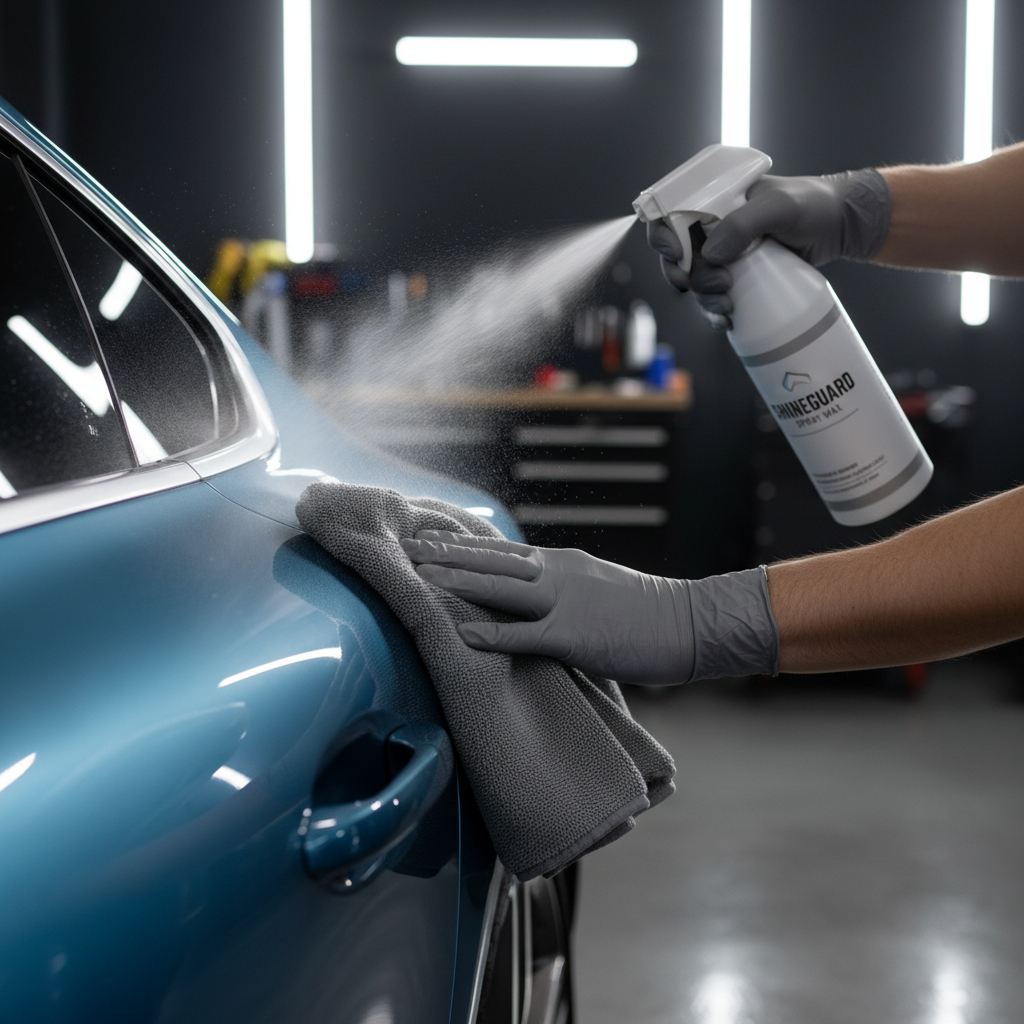
3) Mist lightly, then spread evenly
Two common mistakes: spraying too much, and spraying directly into gaps where product collects. Aim for 1–2 sprays per panel (more for large hoods/SUV sides), then spread with your first towel using overlapping passes.
- Tip: If the product seems “grabby,” you may be using too much or the panel is too warm.
- Tip: Flip to a dry side of the towel as soon as it feels loaded.
4) Buff with a second towel
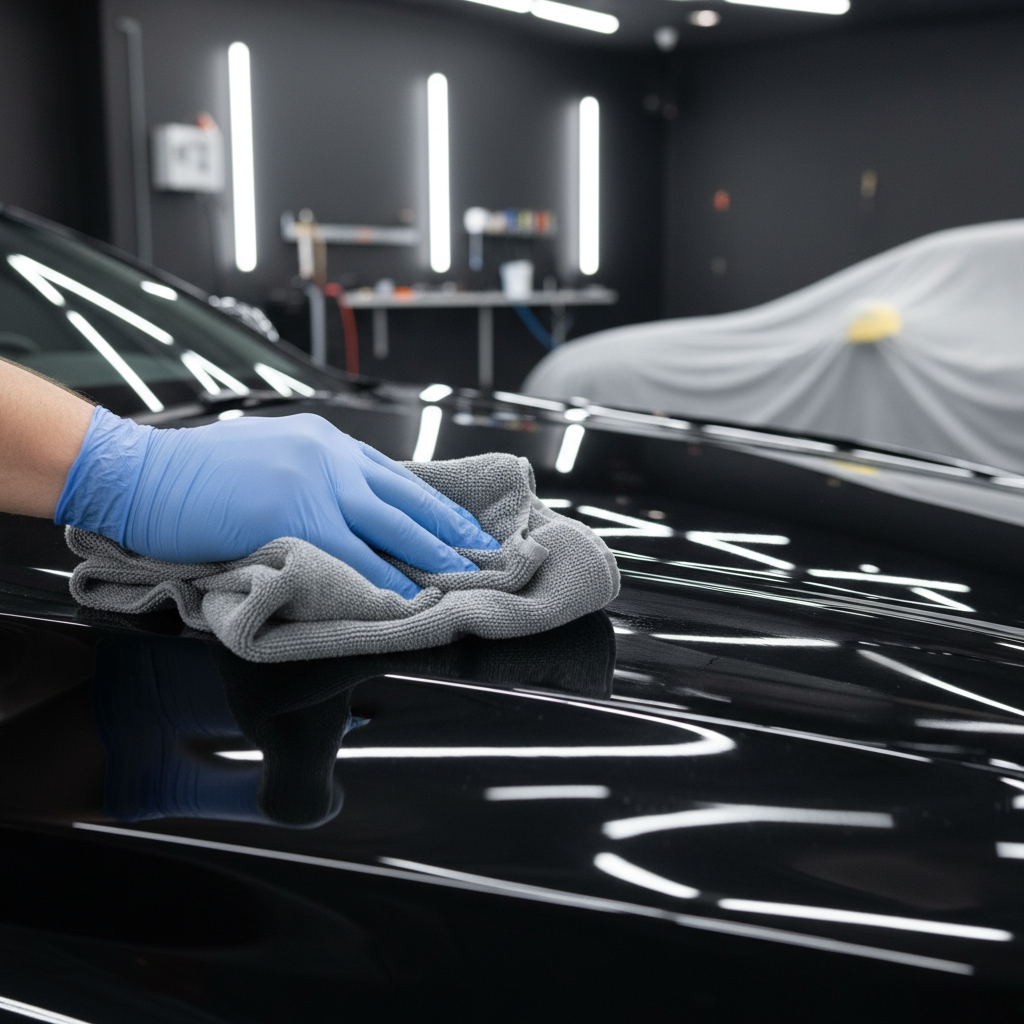
Switch to a clean, dry microfiber for the final buff. This second towel step is where the streaks usually disappear. Keep your hand light, and rotate the towel often.
5) Do a quick angle check
Walk around the car and check panels from different angles. If you see smears, a very light re-buff with a fresh towel side often fixes it. If it still smears, your product might be over-applied, or you’re working too hot.
Quick method vs. best results: choose your workflow
If you’re trying to decide how much effort is “worth it,” this table helps. Realistically, most people rotate between these depending on time and season.
| Workflow | When to use | What you get | Watch-outs |
|---|---|---|---|
| Dry-car application | After a proper wash | Most consistent gloss and wipe-off | Needs full dry or it can dilute unevenly |
| Drying-aid method | Maintenance washes, limited time | Fast, slick feel, less towel drag | Over-spray can streak and gum towels |
| Spot touch-up | Fingerprints, light dust after a drive | Local shine boost | Don’t wax over gritty dust; that can scratch |
Common problems and fixes (real-world troubleshooting)
If your result looks worse than before, don’t panic. Spray wax is usually easy to correct once you know what caused the issue.
Streaks or smears
- Likely cause: too much product, hot panel, or saturated towel.
- Fix: buff with a clean dry towel, then re-apply using fewer sprays per panel in shade.
Hazy look that won’t buff off
- Likely cause: product flashed too fast, or you applied over residue from a strong soap.
- Fix: lightly mist a tiny amount onto your towel (not the panel) and re-wipe, then final-buff.
Wax grabs or drags while wiping
- Likely cause: paint not fully clean, or towel too low-pile for the job.
- Fix: switch to a plusher microfiber, and confirm the surface is truly clean.
Key tips that make spray wax last longer
Spray wax durability depends on washing habits more than people think. Harsh detergents and dirty towels strip protection fast, even if the product itself is decent.
- Use pH-balanced car shampoo for routine washes unless you intentionally want to strip wax.
- Apply thin; thicker layers rarely mean better protection, they usually mean more residue.
- Refresh regularly after washes, especially during winter or heavy rain seasons.
- Keep towels dedicated to paint only, avoid mixing with wheels or exhaust tips.
According to the U.S. Environmental Protection Agency (EPA), washing cars on grass or gravel can increase runoff into storm drains in many areas; using a commercial car wash or washing where runoff is managed may be a better option depending on local rules.
When to avoid spray wax (or switch approaches)
There are a few situations where spray wax isn’t the right move, or at least not the first move.
- Hot paint in direct sun: you’ll fight flash-drying and streaks, even with good towels.
- Gritty dust on the paint: spraying and wiping can cause swirls; rinse or wash first.
- Fresh paint work: body shops often give curing guidance; it’s smart to follow their timeline and ask what products are safe.
- Matte or satin finishes: many waxes add uneven sheen; use products labeled for matte paint.
If you’re unsure about a surface, test on a small, lower-visibility area first. That simple habit saves a lot of regret.
Practical wrap-up and next steps
Once you understand how to use spray wax on a car, it becomes a quick, low-stress way to keep paint looking sharp between bigger details. Keep the paint cool, spray less than you think you need, and use two towels so you’re not chasing streaks around the panel.
If you want an easy next step, pick one workflow you can repeat weekly or biweekly, then stick with it for a month. Consistency beats occasional “perfect” sessions, especially on daily-driven cars.
FAQ
Can I use spray wax on a wet car?
Usually yes, many products work as a drying aid, but you want to dry that panel right away and keep the sprays minimal. If you see smearing, switch to dry-car application.
How often should I apply spray wax?
Many drivers reapply every few washes, or whenever water behavior drops off. Weather, parking outdoors, and wash soap strength change the schedule more than most labels admit.
Do I need to clay the car before using spray wax?
Not every time. If the paint feels rough after washing, claying (or a synthetic clay alternative) helps the wax bond more evenly, but it’s more of an occasional prep step.
Is spray wax safe on ceramic coating?
Often yes, and it can add slickness, but compatibility varies by product. If your coating brand recommends certain toppers, follow that guidance to avoid unwanted residue.
Why does spray wax streak on black paint?
Black paint shows everything, and streaks usually come from too much product or a warm panel. Using a second dry towel for final buff makes a bigger difference than people expect.
Can I use spray wax on glass and trim?
Some spray waxes are fine on glossy trim and can add water repellency on glass, but others smear. Spot-test first, and avoid textured plastics unless the label says it’s trim-safe.
What’s the difference between spray wax and quick detailer?
Quick detailers lean toward cleaning and lubrication for light dust, while spray wax focuses on protection and gloss. Plenty of products blur the line, so the label directions matter.
If you’re trying to keep a daily driver looking “just detailed” without spending your whole weekend, a spray wax routine after each wash is one of the simplest upgrades, and if you want, you can build from there into decon and light polishing when the finish starts feeling rough or looking tired.