
Best car seat cushions for pregnancy usually come down to one thing: reducing pressure where your body feels it most, while keeping you safely positioned behind the wheel. If driving has started to trigger low-back aches, hip tightness, or that sharp tailbone discomfort, a well-chosen cushion can make rides feel doable again.
This topic matters because “just add a pillow” often backfires, it can tilt your pelvis the wrong way, crowd your steering wheel space, or slide around when you brake. Comfort is nice, but in pregnancy you also want stable posture and predictable support.

Below is a practical guide to help you pick a cushion type that matches your symptoms and your car, plus a quick fit checklist and setup tips that tend to matter more than people expect.
What changes during pregnancy that makes car seats uncomfortable
Pregnancy shifts how you sit, even if you try to “sit the same.” Your center of mass moves forward, your hips may feel tighter, and your lower back can feel more sensitive during longer drives.
- Pelvic tilt changes: Many people tip into an exaggerated curve in the low back, which can load the lumbar area and the SI joints.
- More pressure on tailbone and sit bones: Especially on firmer seats or bucket seats with a hard edge.
- Swelling and circulation changes: Some experience leg heaviness on long rides, and a cushion that cuts under-thigh circulation can feel worse.
- Seat belt fit becomes less forgiving: Comfort tweaks that shift your posture too much can affect belt routing.
According to ACOG (American College of Obstetricians and Gynecologists), seat belts should be worn during pregnancy with the lap belt low under the belly and the shoulder belt between the breasts and to the side of the belly, a cushion should not interfere with that goal.
Quick comparison: cushion types that work well for pregnancy
If you want a faster shortcut, match your main complaint to the cushion design. The table below is a realistic starting point, not a promise, bodies and car seats vary a lot.
| Type | Feels best for | Watch-outs | What to look for |
|---|---|---|---|
| U-shaped coccyx cutout | Tailbone pain, “sitting on a bruise” feeling | Cutout too large can feel unstable | Medium-firm foam, grippy bottom, not overly thick |
| Wedge cushion (front-to-back slope) | Hip flexor tightness, slouched posture | Can push you closer to steering wheel if too tall | Low-profile wedge, gradual slope, anti-slip base |
| Gel-infused memory foam | Heat buildup, long commutes | Some gels feel squishy and reduce stability | Perforated cover, breathable fabric, firm core |
| Seat + lumbar combo set | Low-back fatigue, “can’t find neutral” posture | Lumbar pillow can push your torso forward | Adjustable lumbar thickness, strap that stays put |
| Thin orthopedic pad | Shorter drivers needing headroom/visibility | May not offload enough pressure | High-density foam, minimal height gain |
How to choose the best car seat cushion for pregnancy (what actually matters)
Marketing loves “cloud soft.” In a car, too-soft usually means you sink, rotate your pelvis, and feel worse after 20 minutes. For best car seat cushions for pregnancy, stability and fit often beat plushness.
1) Thickness and driving position
- If you already feel close to the wheel, avoid extra-thick cushions. A 1.5–3 inch profile is often easier to live with than 4 inches, though it depends on your height and the seat shape.
- Make sure you can still keep a safe distance from the airbag and maintain comfortable pedal control.
2) Firmness and “bottoming out”
- Medium-firm foam tends to distribute pressure without collapsing.
- If you feel the seat frame through the cushion, it’s not doing its job, especially for tailbone discomfort.
3) Shape: cutout vs wedge vs flat
- Coccyx cutout can help if tailbone pain is your main driver of discomfort.
- Wedges can reduce slouching, but choose a gentle slope so you don’t feel “tipped forward.”
- Flat pads are best when you need only a small comfort boost and minimal posture change.
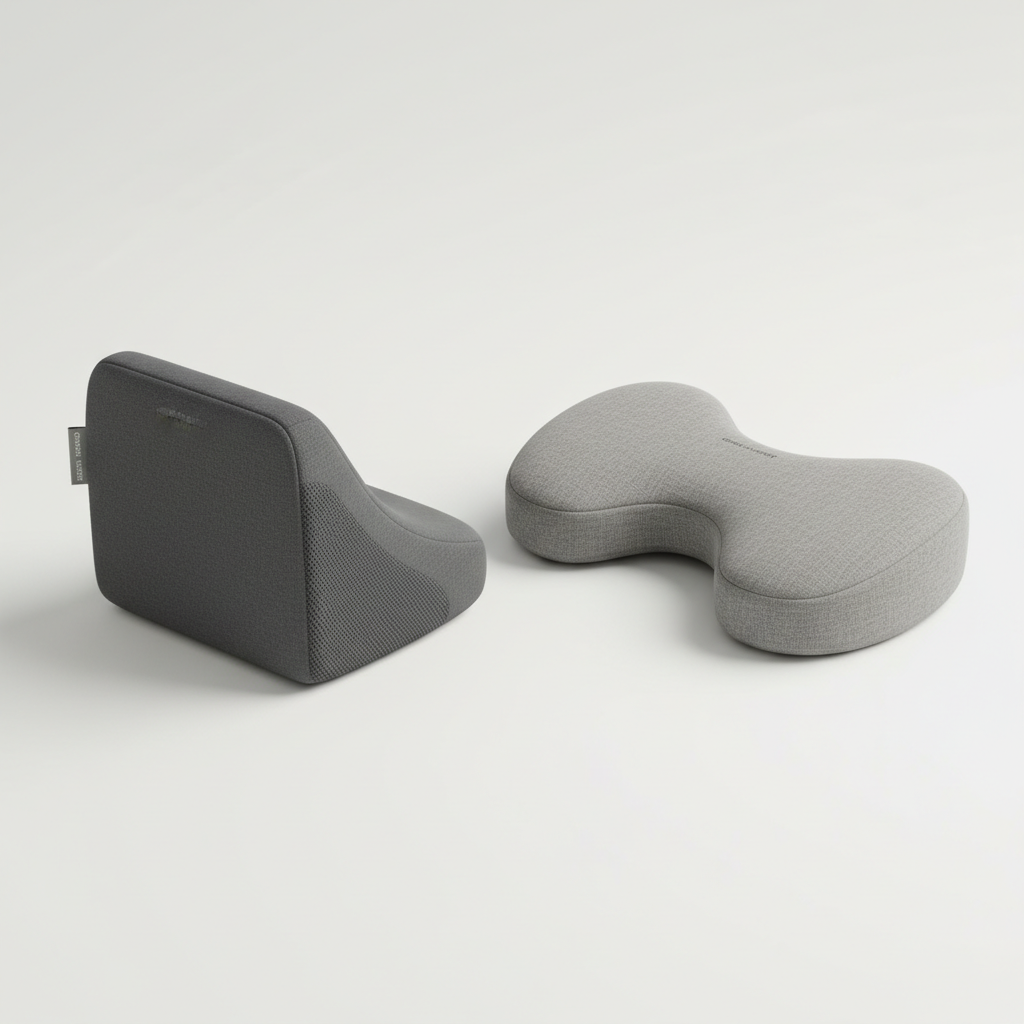
4) Cover material and heat
Pregnancy can run warm, and car seats trap heat. Look for breathable mesh covers or removable washable covers. If you live in a hot state, “cooling gel” may help, but breathable fabric usually matters more than gel branding.
5) Staying put on the seat
A cushion that slides is a daily annoyance and can become a safety issue. Prioritize a grippy base and, if possible, an anchor strap. This is boring, but it’s one of the biggest make-or-break features.
Self-check: what kind of discomfort are you trying to solve?
Before you buy anything, take 60 seconds and identify the main pattern. Many people buy the wrong style because they chase “overall comfort” instead of the specific pressure point.
- Tailbone pain after 10–20 minutes: look at coccyx cutout or pressure-relief designs.
- Low-back ache that builds over the drive: consider a seat cushion plus adjustable lumbar support.
- Hip pain or SI joint irritation when getting in/out: a stable, level cushion is often better than a deep sinky one.
- Numbness/tingling in legs: avoid thick front edges that press into thighs, consider a wedge with a tapered front.
- Feeling “too high” and cramped: choose a low-profile pad and focus on lumbar support instead of seat height.
If you have sharp pain, persistent numbness, or symptoms that worsen quickly, it’s reasonable to check in with a clinician or physical therapist, especially if you suspect sciatica or pelvic girdle pain.
Set it up right: comfort tweaks that keep you safe
Even the best car seat cushions for pregnancy can feel wrong if setup is off by an inch. Use this as a quick fit routine.
Step-by-step setup
- Start with seatback angle: aim for upright but not rigid, a heavy recline can increase reach and neck strain.
- Place the cushion centered: the cutout, if it has one, should align with your tailbone, not your lower back.
- Adjust seat distance: you should reach pedals without pointing toes, knees slightly bent.
- Check steering wheel clearance: if the cushion pushes you forward, move the seat back and re-check pedal reach.
- Confirm belt routing: lap belt low under the belly, shoulder belt across chest and to the side of belly, not slipping off shoulder.
Key takeaways (save this)
- Stable > soft for long drives.
- Low profile prevents cramped steering wheel space.
- Anti-slip base is not optional for daily commuting.
- Washable cover pays off quickly.
Scenario-based picks: what tends to work in real life
Instead of “top 10,” here are the setups that commonly work by situation, because your commute and your car seat shape matter.
Short city drives (errands, school drop-off)
- Go with a thin orthopedic pad or a modest coccyx cutout.
- Prioritize easy in/out and a cover that doesn’t snag on clothing.
Long commutes (30–90 minutes)
- Consider gel-infused memory foam or breathable foam with a ventilated cover.
- Add a small lumbar support if your low back feels tired, but keep it adjustable so you’re not forced forward.
Road trips
- Choose a cushion with grip + strap, plus a removable cover for cleanup.
- Plan breaks, even the right cushion rarely replaces movement for long stretches.
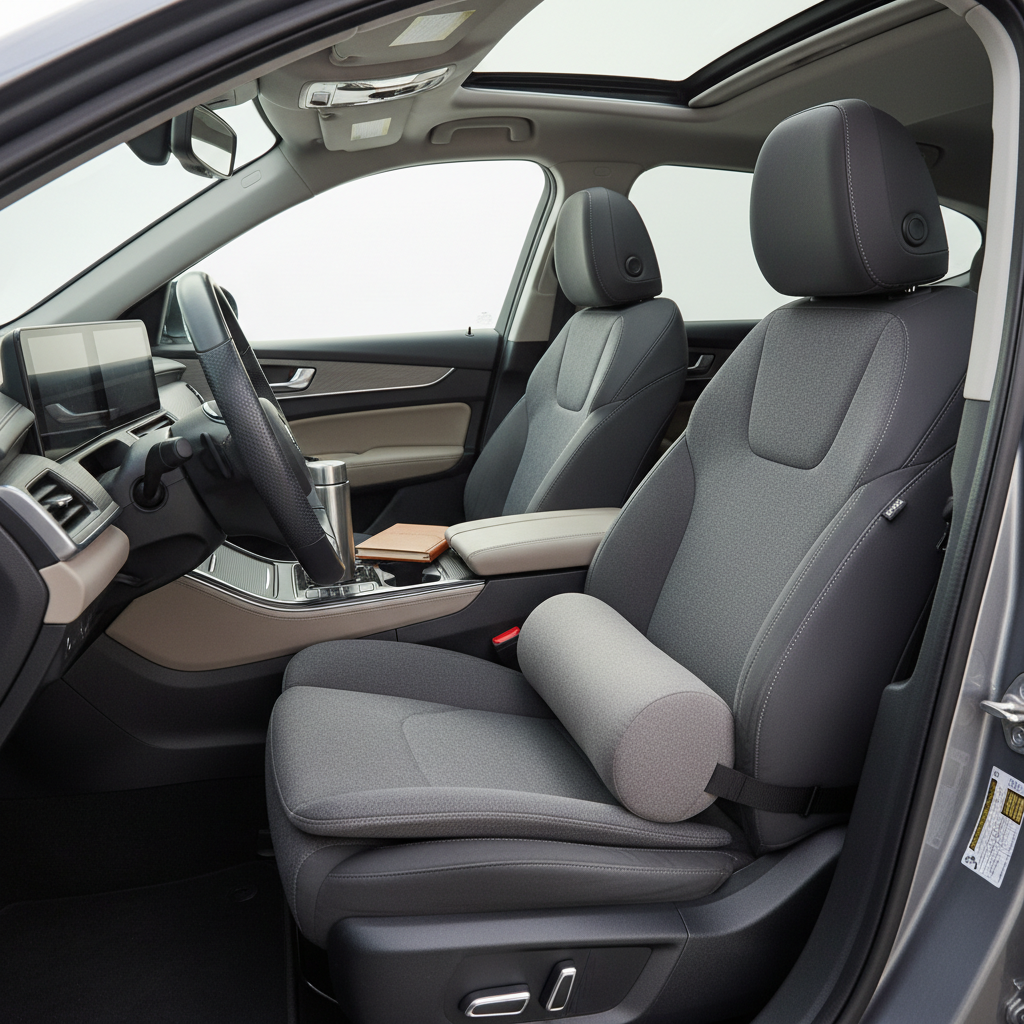
If you also have pelvic girdle pain
This is where a little caution helps. Some people feel better with a flatter, stable cushion that keeps hips level, others prefer a gentle wedge. If pain spikes, it’s a sign to pause experimentation and ask a prenatal PT for guidance.
Common mistakes (and how to avoid wasting money)
- Buying the thickest cushion: extra height can force a cramped steering wheel position, especially for shorter drivers.
- Choosing ultra-soft foam: it can feel great in the first five minutes, then you sink and the pressure returns.
- Ignoring thigh edge pressure: a thick front lip can worsen leg numbness on longer drives.
- Not testing for sliding: if it shifts when you brake, return it and choose a grippier base.
- Expecting a cushion to fix everything: if your main issue is posture, lumbar support and seat adjustment can matter as much as the seat pad.
Also worth saying out loud: if you recently changed cars, the seat geometry might be the real culprit. A cushion can help, but sometimes the bigger gain comes from small seatback and steering wheel adjustments.
When to ask a professional (and what to ask)
Comfort products are fine for mild-to-moderate aches, but persistent or intense symptoms deserve a second look. Consider talking with your OB-GYN or a prenatal physical therapist if you notice:
- Radiating pain down the leg, or numbness that doesn’t ease after you stop driving
- Sharp pelvic pain when stepping out of the car
- Back pain paired with weakness, balance changes, or frequent “giving way” sensations
- Any concern that your driving position feels unsafe or restricts belt fit
What to ask: whether your symptoms sound like sciatica vs pelvic girdle pain, what seat angle tends to reduce strain, and whether a wedge or a flat cushion is more appropriate for your body right now.
Conclusion: the simplest way to pick a cushion you’ll actually use
If you want the practical answer, choose a medium-firm, low-profile cushion that targets your main pressure point and stays put. For many, that means a coccyx cutout for tailbone pain or a gentle wedge for posture, plus breathable fabric for heat.
Pick one style, test it on your normal route for a few days, and adjust seat distance and belt routing carefully. If discomfort keeps escalating or symptoms look nerve-related, skip the endless product swapping and get a professional opinion.
FAQ
What are the best car seat cushions for pregnancy if I have tailbone pain?
A U-shaped coccyx cutout cushion is often the most direct match because it reduces pressure on the tailbone area. Look for medium-firm foam and a stable base so you don’t feel wobbly while driving.
Is memory foam safe to use while pregnant in the car?
In most everyday cases, memory foam cushions are used for comfort and posture support, not as a medical device. The bigger safety piece is fit: make sure the cushion doesn’t push you too close to the wheel and doesn’t interfere with seat belt positioning.
Can a car seat cushion affect seat belt fit during pregnancy?
Yes, it can change your hip angle and how the lap belt sits. After adding any cushion, re-check that the lap belt stays low under the belly and the shoulder belt sits correctly across your chest.
Should I use a wedge cushion or a coccyx cushion for pregnancy back pain?
If your issue is slouching and low-back fatigue, a gentle wedge plus modest lumbar support often helps more than a tailbone cutout alone. If the discomfort feels like direct pressure at the tailbone, start with the cutout style.
What thickness is usually comfortable without changing my driving position too much?
Many people do well with around 1.5–3 inches, but your height, vehicle, and seat shape matter. If you notice reduced steering wheel clearance or cramped shoulders, go thinner.
Do “cooling gel” seat cushions actually help in summer?
Sometimes, but results vary. Breathable covers and good airflow often matter more than gel, especially if your car seat already runs hot.
How do I stop a cushion from sliding on leather seats?
Choose a cushion with a grippy rubberized bottom, and consider models with an anchor strap. If it still shifts under braking, it’s usually a sign the base material isn’t compatible with your seat surface.
If my legs go numb while driving, will a seat cushion fix it?
It might help if numbness comes from pressure under the thighs, in that case a tapered-front design can reduce compression. If numbness persists off and on the road, it’s smart to ask a clinician to rule out nerve involvement.
If you’re trying to make commuting or road trips feel manageable again, start by narrowing your main symptom, then pick one cushion style that matches it instead of buying a “luxury” option at random. A simple fit check and a stable, breathable cushion often get you most of the way there.