
Best car paint sealant long lasting usually comes down to two things people overlook: prep quality and realistic durability expectations for your climate and wash routine.
If you feel like “nothing lasts on my paint,” you’re not alone, most failures trace back to oily residue after polishing, rushed cure time, or using a product that’s simply mismatched to the car’s use case (daily driver outdoors versus weekend garage queen).
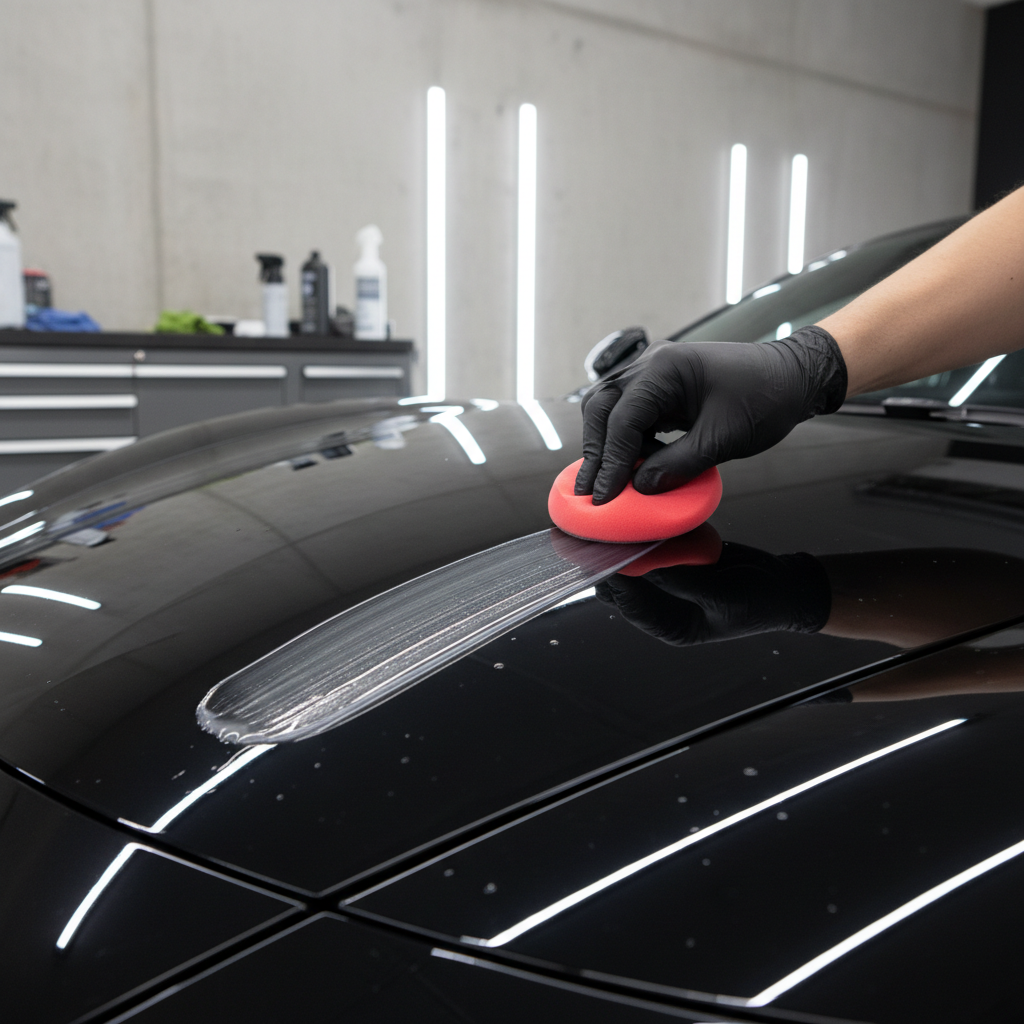
This guide walks through what “long lasting” really means in 2026, how to choose between synthetic sealants and ceramic-like sprays, and the application steps that actually move the needle. You’ll also get a quick comparison table and a simple self-check so you can stop guessing.
What “Long Lasting” Paint Sealant Really Means (and What It Doesn’t)
In detailing talk, “long lasting” often gets thrown around as a marketing headline. In real drive-and-wash life, durability depends on paint condition, storage, weather, and maintenance. A sealant can fail early even if the formula is excellent.
Here’s a practical way to frame it:
- Daily drivers parked outdoors: durability tends to drop faster due to UV, rain, road film, and frequent washing.
- Garage-kept cars: protection typically holds longer because contamination load is lower.
- Harsh winters / salted roads: most products degrade faster, and you may need a mid-season topper.
According to the U.S. Environmental Protection Agency (EPA), ground-level ozone and other air pollutants contribute to material degradation outdoors, which is one reason coatings and polymers can age faster in some regions than others.
Quick Comparison: 2026 Long-Lasting Sealant Types
Instead of chasing “the one best,” pick a category that fits your time, skill, and tolerance for prep. This table keeps it honest.
| Type | Typical Durability Range* | Best For | Tradeoffs |
|---|---|---|---|
| Synthetic polymer sealant (paste/liquid) | 3–6 months | Balanced gloss + durability, DIY weekends | Needs proper prep, cure time matters |
| “Ceramic” spray sealant (SiO2-infused) | 2–6 months | Fast application, frequent maintenance plans | Can streak, often needs more frequent top-ups |
| Paint sealant with cleaners (AIO) | 1–3 months | Quick refresh on lightly neglected paint | Cleaner component can reduce longevity |
| Professional ceramic coating | 1–5+ years | Max durability, long-term ownership | Cost, prep, and installation skill requirements |
*Ranges vary by environment and maintenance. If you want the best car paint sealant long lasting for a daily driver, a traditional polymer sealant or a good SiO2 spray with consistent upkeep often beats a “one-and-done” mindset.
Why Your Sealant Doesn’t Last: Real-World Causes
Most durability complaints aren’t about the sealant being “bad,” they’re about surface chemistry and habits. A few common culprits show up again and again.
- Incomplete decontamination: bonded contaminants (rail dust, industrial fallout) block proper bonding.
- Residual oils after polishing: many polishes leave lubricating oils that interfere with cross-linking or adhesion.
- Applying too thick: thick layers can haze, smear, and sometimes cure unevenly.
- Humidity/temperature mismatch: cure time can stretch, and early exposure to water may weaken performance.
- Strong detergents too often: repeated high-alkaline washes can shorten lifespan.
According to the International Carwash Association (ICA), wash chemistry and process choice can affect vehicle finishes and protective products, which is why “how you wash” matters almost as much as “what you apply.”
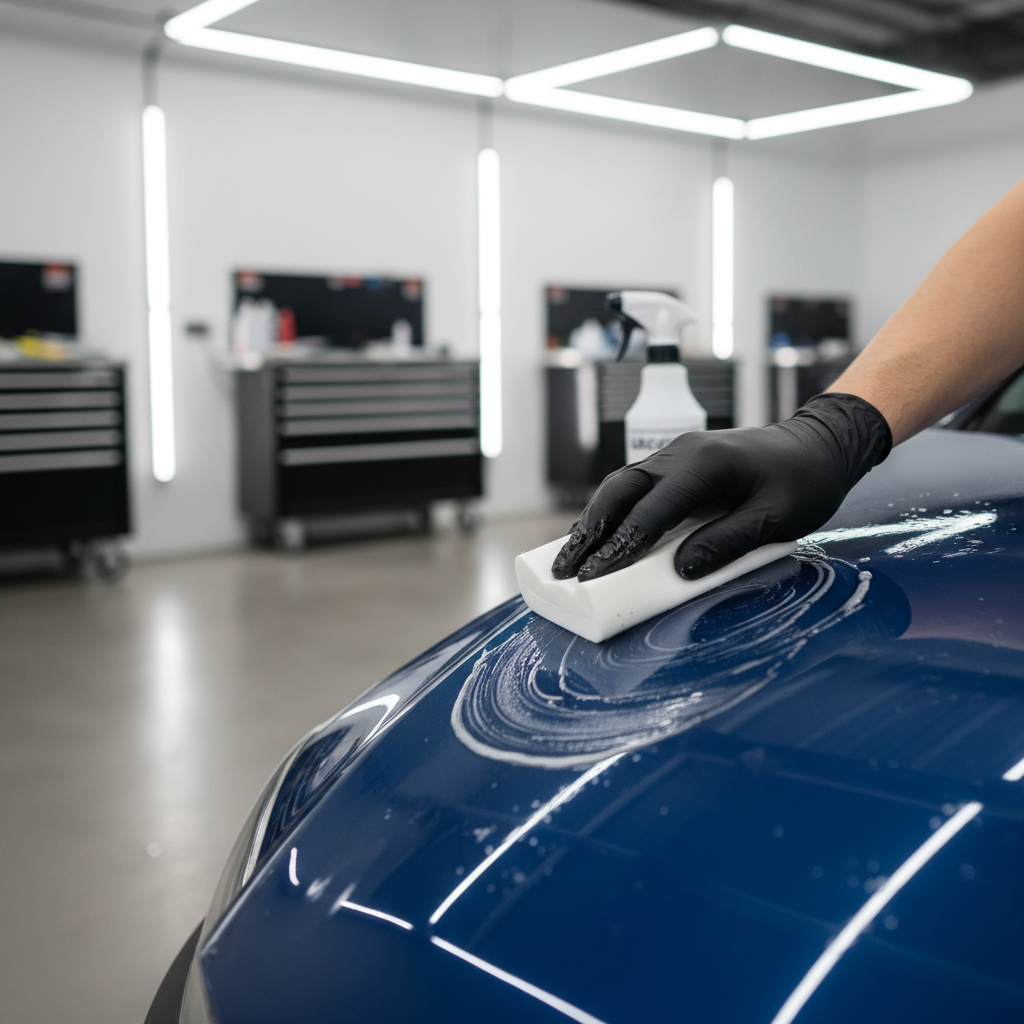
One more reality check: if your paint has heavy oxidation or neglected clear coat, a sealant can’t “fix” that. It can add gloss and protection, but it won’t restore clear coat that needs correction.
Self-Check: Which “Long Lasting” Path Fits You?
If you answer these quickly, you’ll know what to buy and what to skip.
- I wash every 1–2 weeks and can spend 60–120 minutes → polymer sealant or hybrid sealant.
- I want fast protection after every wash → SiO2 spray sealant as your main routine.
- I hate reapplying and keep the car for years → consider a professional coating (or a serious DIY coating if you’re experienced).
- My paint feels rough after washing → decontamination matters more than brand choice right now.
- I park outside in sun/snow → prioritize UV resistance and plan on maintenance toppers.
Key point: the best car paint sealant long lasting for you is the one you’ll maintain. A “6-month” product that you apply once a year often performs worse than a “3-month” product you top up consistently.
How to Get Maximum Durability: Step-by-Step Application
This is the part people rush, then blame the product. If you want longevity, treat this like a simple process, not a vibe.
1) Wash and dry properly
- Use a pH-balanced shampoo for routine washing.
- Rinse thoroughly, dry with a clean microfiber towel to avoid water spotting.
2) Decontaminate (chemical + mechanical if needed)
- Iron remover for brake dust and metallic contamination (follow label ventilation guidance).
- Clay bar or clay mitt if the paint still feels rough after chemical decon.
3) Optional polish (only if paint needs it)
- Light polishing improves gloss and helps sealants bond to a cleaner surface.
- If you polish, plan on an IPA wipe or panel prep step to remove oils.
4) Apply thin and even
- Work one panel at a time, thin coats beat thick coats.
- Use a foam applicator or microfiber applicator depending on the product.
5) Respect cure time
- Keep the car dry for the recommended window, many products need several hours.
- Avoid washing with strong chemicals for the first week if the brand suggests it.
Maintenance That Actually Extends Sealant Life
Protection doesn’t “wear off” evenly, it gets attacked by grime, detergents, and friction. Maintenance is how you keep the base layer working.
- Use gentle washes most of the time: save strong cleaners for true problem situations.
- Top with a compatible spray: a quick drying aid or SiO2 topper can extend hydrophobic behavior.
- Dry safely: dirty towels create micro-marring, and that reduces gloss fast.
- Remove bug splatter early: acidic residues can stain if left too long, especially in heat.
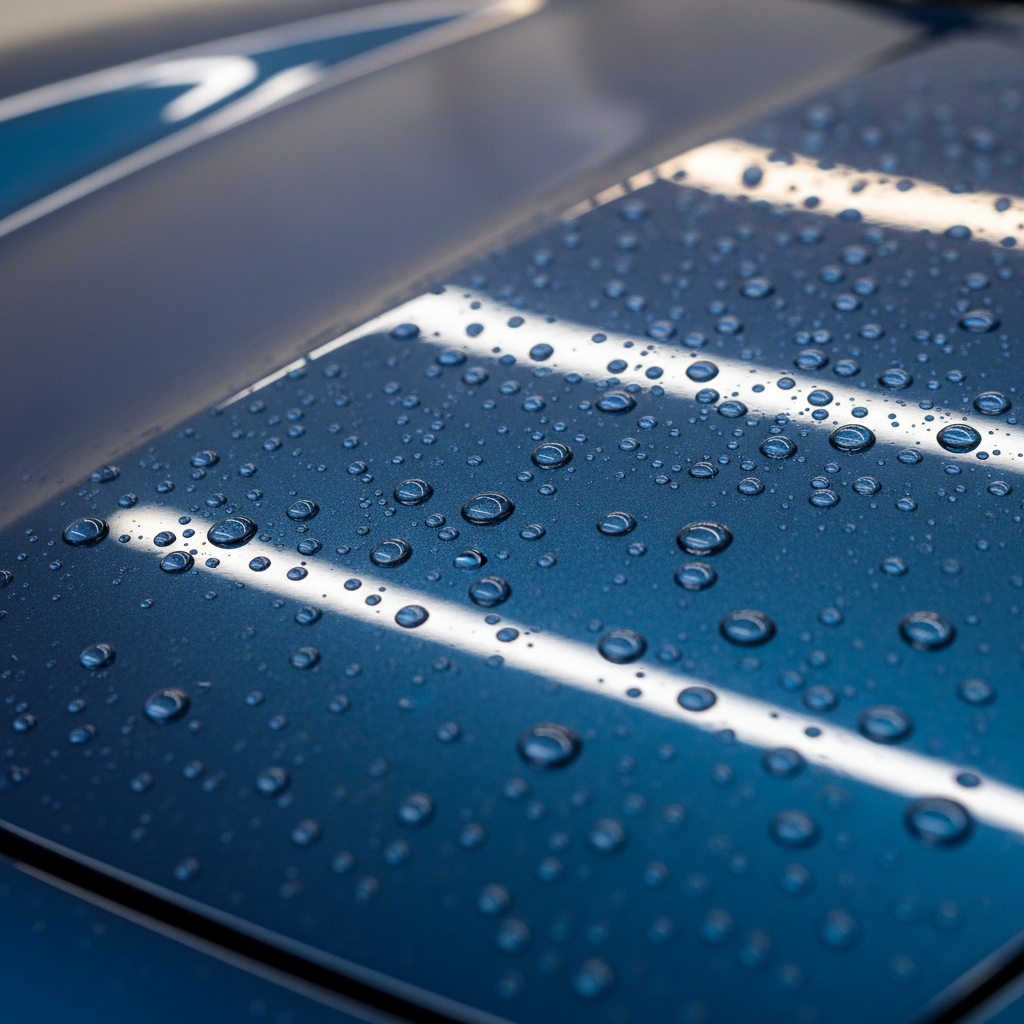
Quick test: after a rinse, if water stops beading or sheeting and the surface feels grabby after washing, your protection may be fading or clogged. A decon wash and topper often restores behavior without starting from zero.
Common Mistakes (Even Enthusiasts Make)
- Stacking too many products: mixing wax + sealant + spray “ceramic” can cause streaks or bonding issues, stick to a simple system.
- Applying in direct sun: many formulas flash too fast and become hard to buff.
- Using household cleaners: dish soap or degreasers can strip protection more quickly than you expect.
- Confusing gloss with durability: something can look amazing day one and still fade in weeks if prep or cure is off.
If your priority is best car paint sealant long lasting, the boring stuff wins: clean surface, thin layer, proper cure, gentle maintenance.
When It’s Worth Getting Professional Help
DIY is totally reasonable, but a few situations justify a pro detailer or body shop consult.
- Clear coat failure, peeling, or heavy oxidation: protection products won’t solve structural paint issues.
- Severe water spots or etching: correction may require machine polishing, sometimes even wet sanding, which carries risk.
- You want multi-year durability: professional ceramic coatings often come with controlled prep and better application conditions.
Also, if you’re using strong chemicals (iron removers, solvents), follow label safety guidance, ensure ventilation, and if you have sensitivities it may be smart to consult a professional.
Conclusion: Picking Your 2026 Winner Without Overthinking It
The “best” product in 2026 is less important than picking the right type, applying it correctly, and maintaining it like you mean it. For most U.S. daily drivers, a quality polymer sealant or a solid SiO2 spray routine hits the sweet spot of durability, shine, and effort.
If you want one next step, pick a sealant category, then commit to a simple schedule: decon every few months, topper after washes, and avoid harsh chemistry unless you truly need it.