
The best car seat gap filler is the one that actually fits your seat-and-console spacing, stays put when you brake, and doesn’t interfere with buckles, airbags, or seat controls.
If you’ve ever watched your phone slide into that dark trench between the seat and the center console, you already know why this tiny accessory gets so much attention. It’s not just about crumbs, it’s about distraction. Reaching down while driving is a bad habit that gap fillers can help reduce.
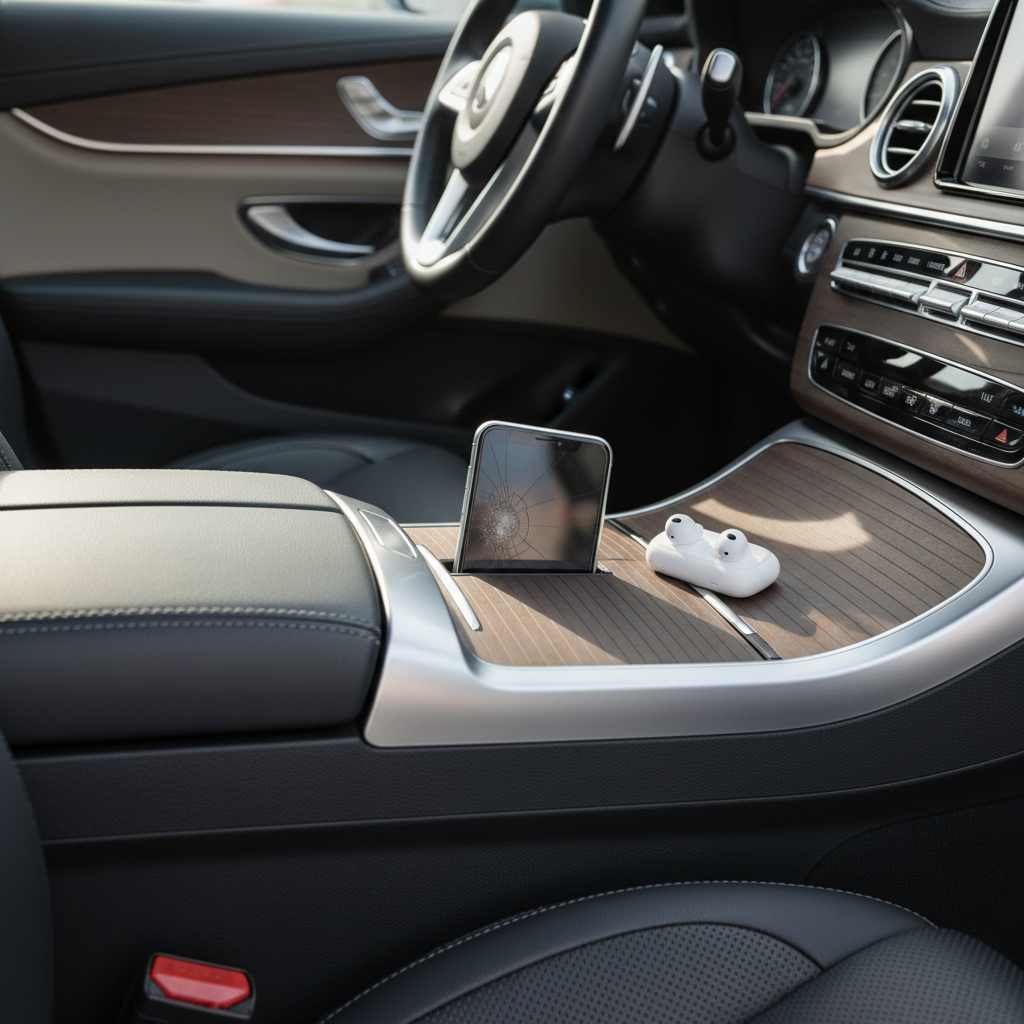
This guide breaks down what matters in 2026: fit, material, durability, cleaning, and how different designs behave in real daily driving. I’ll also call out common “looks-good-online” traps, plus a quick checklist so you can pick without overthinking it.
What a car seat gap filler actually does (and what it won’t)
A gap filler blocks the space between your front seats and the center console so small items can’t drop through. Most people buy one after losing keys, earbuds, credit cards, or a whole coffee receipt archive.
What it won’t do is “make your car safer” by itself. Think of it as a friction-and-coverage accessory: it can reduce the temptation to reach down, but it can’t replace good driving habits, safe storage, or proper seat belt use.
According to NHTSA, distracted driving is a major safety concern, and anything that lowers in-car reach-and-search behavior can be a practical improvement, even if it’s small.
Key types in 2026: pros, cons, and who each fits
Most products fall into a few shapes and materials. The “best” depends on your car layout, how often you clean, and whether you move seats a lot.
1) Foam wedge fillers
- Why people like them: Soft, compressible, usually fits a wider range of gaps.
- Watch-outs: Some foam pills over time, can absorb spills, may look worn faster.
- Best for: Drivers who want quick fit without measuring obsessively.
2) PU/leather-look “U-shape” fillers
- Why people like them: Cleaner look, easier wipe-down, often includes a slot for a phone.
- Watch-outs: If the fit is off, they slide, and the phone slot can become a distraction magnet.
- Best for: Daily commuters who want a tidy interior and easy cleaning.
3) Hard plastic or molded silicone blockers
- Why people like them: Structured, long-lasting, usually doesn’t sag.
- Watch-outs: More fit-sensitive, can rub seat trim, may squeak if it shifts.
- Best for: People who keep seats in one position and want a “set and forget” solution.
4) Gap “organizer” styles (pockets, cup cutouts)
- Why people like them: Extra storage for phone, coins, cards.
- Watch-outs: Adds clutter fast, can interfere with seat movement or console lids in some cars.
- Best for: Drivers who genuinely lack usable storage and keep a minimalist load.
How to choose the best car seat gap filler for your car
The decision is less about brands and more about geometry. A best car seat gap filler for a compact SUV can be mediocre in a sedan with tight console clearance.
- Measure the gap width: If it’s very narrow, molded or slim PU styles often work better than bulky foam.
- Check seat movement: If you slide seats forward/back daily, pick a filler that moves with the seat or stays stable without wedging too tight.
- Confirm buckle clearance: You want clean access to the seat belt buckle, no pinching, no awkward angle.
- Look for a secure anchor: Many designs rely on friction, others attach around the seat belt stalk. Stability matters more than “premium” texture.
- Choose cleanability based on your life: Kids, coffee, pets, rideshare use usually favors wipeable surfaces.
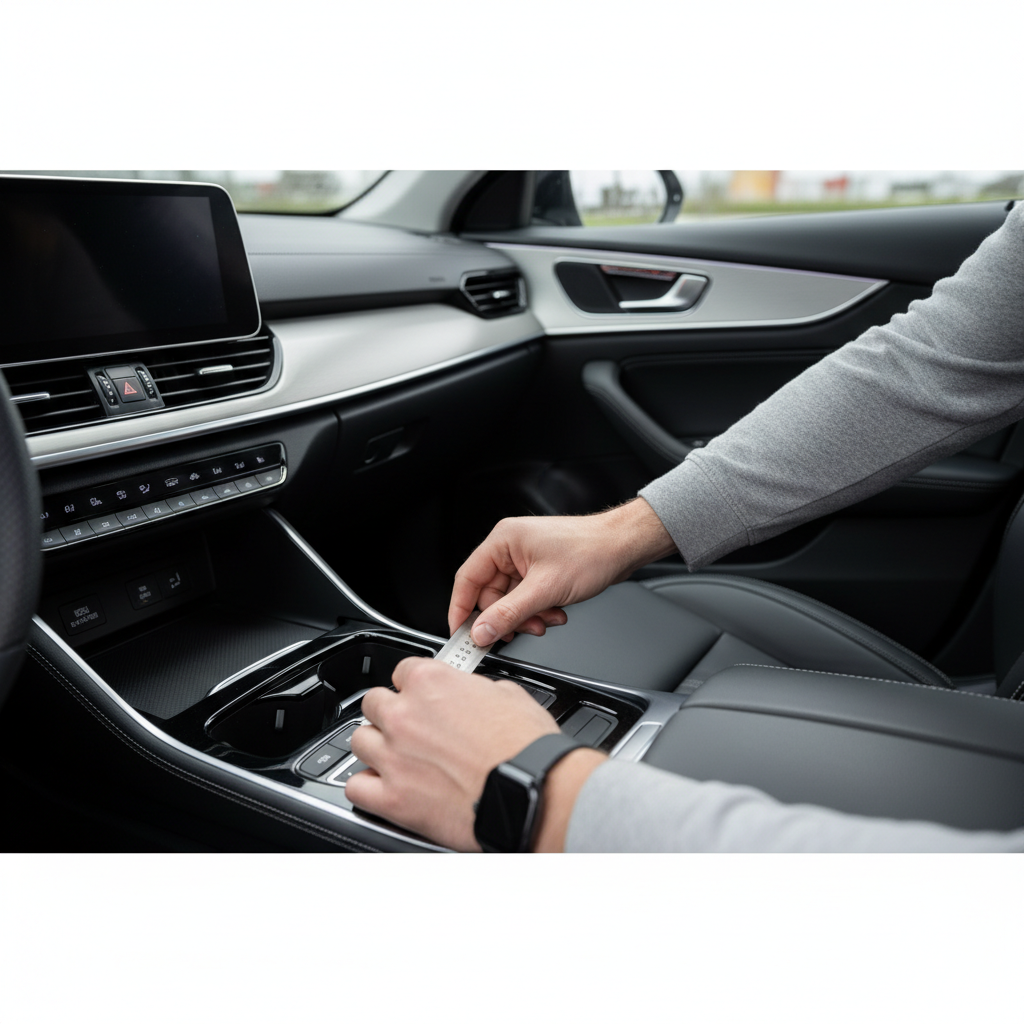
Key point: If you can’t measure, at least do a “two-finger check.” If two fingers disappear easily, you likely need a thicker filler or a design that locks around the seat belt stalk.
Quick self-check: which situation are you in?
Use this to narrow choices in under a minute.
- Your gap changes when you adjust the seat: prioritize flexible foam or a seat-belt-stalk style that moves with the seat.
- Your console sits very close to the seat: slim PU/silicone options tend to fit better than bulky wedges.
- You spill drinks or have kids in the back: wipeable surfaces matter more than a phone slot.
- You already use a dash mount for your phone: skip organizer styles, a simple blocker reduces clutter.
- You have power seats with side controls: confirm the filler won’t press buttons or block access.
Comparison table: common features that matter
This is the stuff that shows up after two weeks of ownership, not just day one.
| Feature | Why it matters | What to look for |
|---|---|---|
| Stability | Stops shifting during braking/turns | Snug fit, anti-slip texture, seat-belt-stalk anchor |
| Seat belt access | Avoids awkward buckling and wear | Clear cutout, no pressure on buckle |
| Cleanability | Crumbs and spills happen | Wipeable PU/silicone, removable cover if foam |
| Fit tolerance | Different cars have different gaps | Compressible foam for varied gaps, molded for consistent gaps |
| Noise/rubbing risk | Prevents squeaks and trim scuffs | Soft edges, non-abrasive surface, correct width |
Installation: get it right in 5 minutes (and keep it there)
Most complaints about the best car seat gap filler come down to installation: it’s not seated deep enough, or it’s wedged so tight it warps or pops out.
Step-by-step
- Vacuum first: friction works better without grit, and you won’t trap crumbs forever.
- Set your seat position: do it at your normal driving setting, not all the way back.
- Test buckle access: buckle and unbuckle once before you “finalize” placement.
- Push down evenly: you want full contact along the length, not a tight pinch at one point.
- Drive-test it: a few turns and one firm stop in a safe area tells you if it slides.
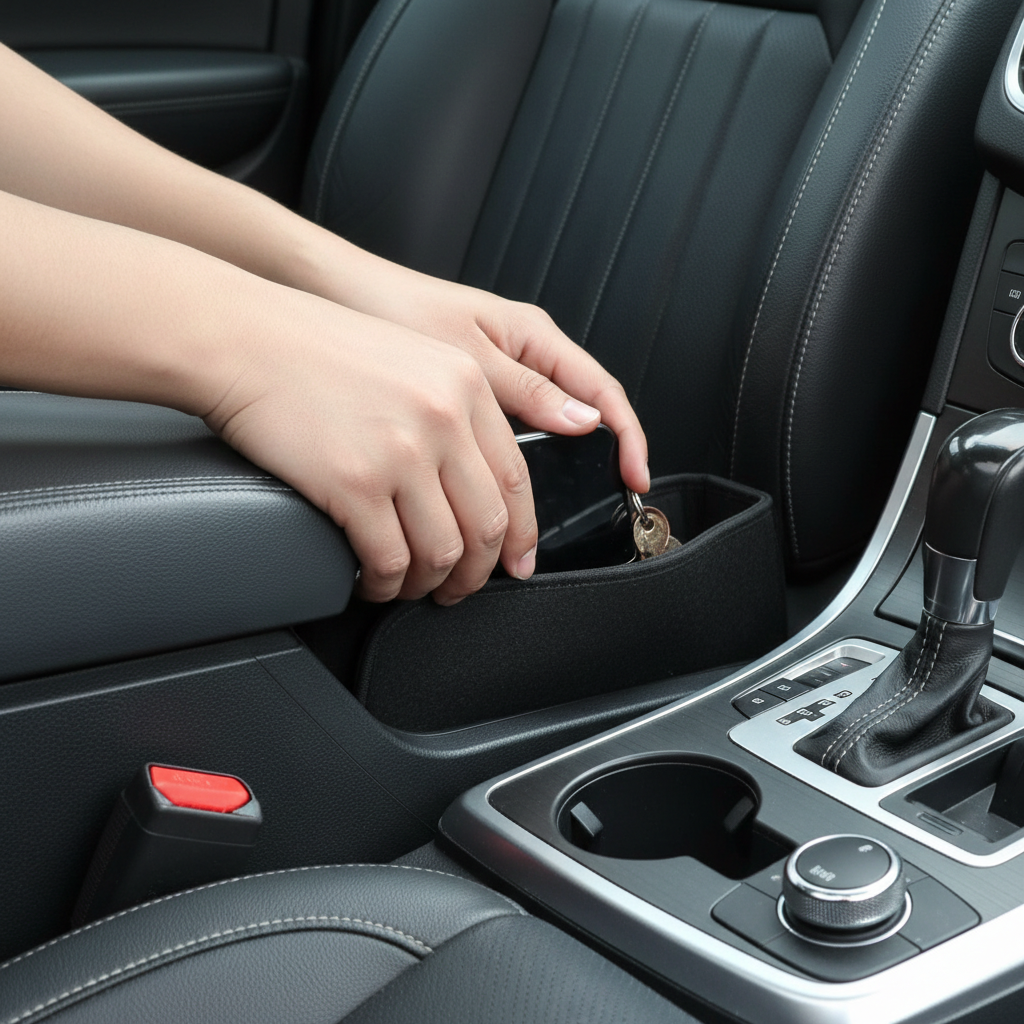
If your filler uses the seat belt stalk as an anchor, make sure it doesn’t twist the stalk or change the buckle angle. If anything feels “off,” stop and adjust. Convenience is not worth awkward belt use.
Common mistakes (the ones that waste money)
- Buying for looks, not fit: a nice leather pattern won’t help if it slides every time you brake.
- Picking a phone slot when you already use CarPlay: it often becomes a distraction, not storage.
- Blocking seat controls or vents: some cars have tight layouts, especially with power seats.
- Ignoring cleaning reality: foam can be fine, but if you spill coffee weekly, you’ll hate it.
- Over-wedging: forcing a thick filler into a narrow gap can stress trim and make squeaks more likely.
When to skip a gap filler and ask for help
If your seat belt buckle becomes harder to use, or the filler changes how the belt lies across your body, remove it and reassess. Seat belt fit is not a DIY guessing game.
For cars with unusual consoles, integrated seat belt systems, or sensitive seat sensors, it may be worth asking a dealership service advisor or a qualified installer whether a specific style could interfere with normal operation. According to IIHS, proper restraint use matters, so anything affecting buckling comfort or consistency deserves extra caution.
Conclusion: the “best” choice is the one you stop thinking about
A good gap filler disappears into your routine: no sliding, no squeaks, no fighting the buckle, and fewer moments where you feel tempted to reach down while driving. If you want one simple direction, prioritize stable fit + easy belt access + easy cleaning, and treat phone slots as optional, not essential.
Pick a style that matches your gap and your cleaning habits, install it at your normal seat position, then do a quick drive-test. If it stays put for a week, you likely found your best car seat gap filler for 2026.
FAQ
- What is the best car seat gap filler for most vehicles?
In many cases, a compressible foam wedge or a wipeable PU style works for “average” gaps, because they tolerate small fit differences between models. - Do seat gap fillers interfere with seat belts?
They can if the design crowds the buckle or twists the stalk. After installing, buckle and unbuckle a few times and make sure the motion feels normal. - How do I know what size gap filler to buy?
Measure the gap width at your normal seat position, then compare to the product’s stated range. If the range is vague, choose a more flexible material. - Are gap fillers safe with side airbags?
It depends on the vehicle and where the airbag modules sit. Keep fillers away from airbag seams and avoid anything that forces the seat trim outward; if unsure, consult a professional. - Is foam or silicone better for a car seat gap?
Foam usually fits more gaps and feels softer, silicone often cleans easier and holds shape. Your spill frequency and gap consistency should decide. - Why does my gap filler keep sliding out?
Most often the filler is too small for the gap, or the seat position changes daily. Look for a design with better friction or an anchor around the seat belt stalk. - Can I use a gap filler with heated or power seats?
Usually yes, but check that it doesn’t press seat switches, rub wiring covers, or block access. If the seat has tight side controls, slimmer designs tend to be safer.
If you’re shopping and want a more “no-surprises” outcome, focus on products that clearly list fit ranges, show buckle clearance in photos, and offer a return window. That small bit of diligence often saves more time than hunting for your keys in the seat crack ever again.