
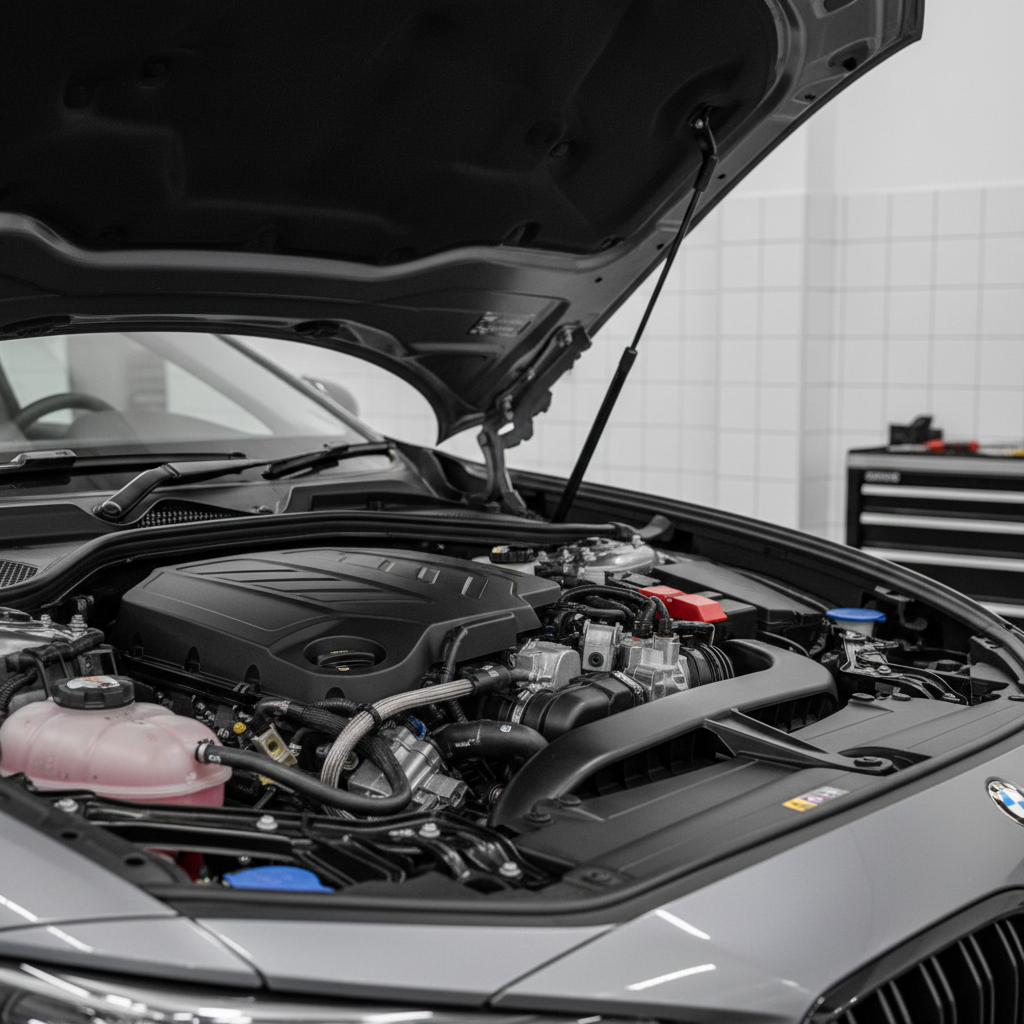
Best car hood prop rod replacement usually comes down to two things most people only notice after a scare: whether it fits the latch area cleanly, and whether it keeps the hood stable when you bump the fender or lean in to work.
If your current prop rod is bent, missing the clip, or keeps slipping off the hood slot, it’s not just annoying, it’s a safety issue and a time-waster every time you check oil, add washer fluid, or do a quick under-hood look.
This guide focuses on what actually matters in the real world, correct length and end style, corrosion resistance, and the small hardware that makes a rod feel secure. I’ll also cover when a simple rod swap is smart versus when switching to gas struts makes more sense.
What makes a hood prop rod replacement “good” (not just cheap)
Most prop rods look the same in a product photo, but the daily-use difference comes from details. A replacement that’s slightly off can rattle, scratch paint, or pop out of its support slot.
- Correct length: Too short changes hood angle, too long can stress hinges or keep the hood from seating properly.
- End style and bend geometry: The tip may be a simple hook, a flattened tab, or a formed bend that matches your hood slot and radiator support hole.
- Retention hardware: The clip or grommet that holds the rod when stowed is often the real failure point, not the rod itself.
- Material and coating: Painted steel works, but in snow-salt states, zinc-plated or stainless tends to age better.
- Noise and vibration control: A snug stow clip prevents the rod from tapping the support and sounding like a mystery rattle.
According to NHTSA, basic vehicle maintenance should be performed with appropriate safety precautions, and anything that can drop unexpectedly deserves extra care. A hood support that slips is exactly that category.
Common reasons your prop rod fails (and what that hints about the replacement)
When people say “my rod is bad,” it’s usually one of a few patterns. Identifying which one you have helps you pick the right best car hood prop rod replacement for your situation, rather than buying a generic rod and hoping.
It won’t stay in the hood slot
This often means the tip shape is worn, the hood slot is bent, or the rod length/angle no longer matches. If the hood has been tweaked from a minor front-end bump, even a perfect rod can feel sketchy.
The stow clip snapped or went missing
Very common on older vehicles. In this case, you may only need the clip or bushing, but many aftermarket listings bundle them incorrectly, so double-check how your rod is retained.
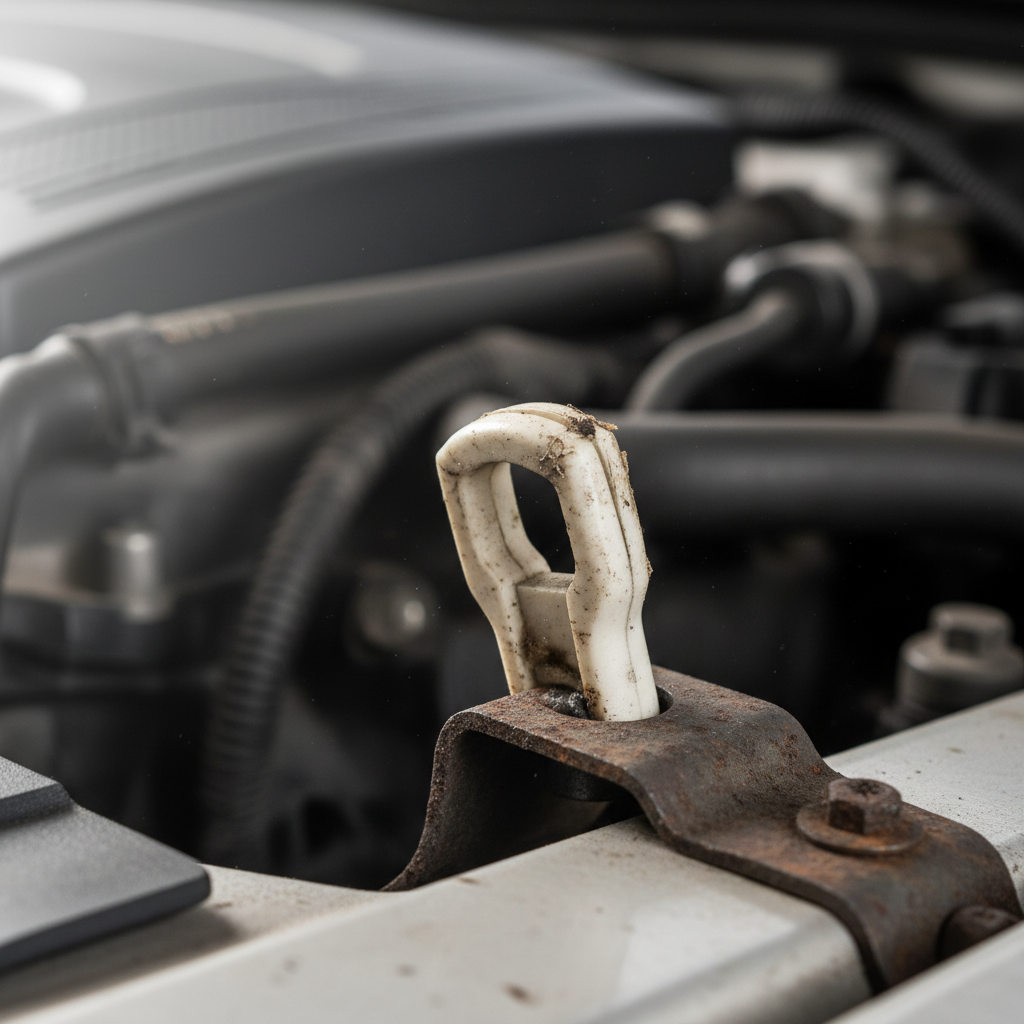
The rod is bent or rusted thin
A bent rod is usually from someone forcing the hood down with the rod still up, or leaning weight on it. Rust-through tends to show up near the lower mounting area where water sits.
Quick self-check: confirm your vehicle needs a rod (not a strut) and what style
Before you order parts, take two minutes and verify the basics. This prevents the classic mistake: ordering a rod when your model actually used gas struts, or ordering a rod that mounts differently.
- Current setup: Do you see a metal rod you manually place, or do you see gas struts on one or both sides?
- Mounting points: Is the rod anchored to the radiator support, inner fender, or a bracket near the headlight?
- Hood receiving point: Slot, hole, or bracket under the hood? Take a photo straight-on.
- Stow method: Clip, grommet, or molded plastic channel?
- Measure length: Measure end-to-end along the rod, and note any bends and where they start.
If anything looks improvised, mismatched clips, extra zip ties, missing brackets, it’s worth looking up an OEM diagram by VIN, because prior owners sometimes swap parts after a minor repair.
Comparison table: which replacement type fits your priorities
People shop this part in different moods. Some want the lowest cost, some want no rust, some want a “never think about it again” feel. Here’s a practical way to compare.
| Option | Pros | Cons | Best for |
|---|---|---|---|
| OEM prop rod | Exact fit, correct bends and clips, predictable feel | Usually higher price, may require dealer/VIN lookup | Daily drivers, anyone who wants zero fit drama |
| Aftermarket direct-fit rod | Often cheaper, widely available online | Quality varies, clips sometimes generic | Budget repairs when you can verify dimensions |
| Universal cut-to-fit rod | Can work for odd projects, quick solution | More measuring, may not stow cleanly, higher slip risk if geometry is off | Custom builds, older cars with discontinued parts |
| Gas strut conversion kit | Hands-free lift, no rod to place, feels modern | More parts, bracket alignment matters, struts wear out over time | Frequent under-hood work and convenience upgrades |
How to choose the best car hood prop rod replacement (a buyer’s checklist)
If you’re scanning listings, use this checklist to avoid the “looks right in the photo” trap. It’s not overkill, it’s what saves you from returning parts.
- Match by VIN when possible: OEM catalogs tied to VIN reduce guesswork, especially across model years with small bracket changes.
- Confirm included hardware: If the rod comes without the stow clip, order the clip at the same time.
- Look for clear measurements: End-to-end length, diameter, and where bends occur.
- Check coating: If you live in humid or salt regions, prioritize corrosion resistance.
- Read fitment notes carefully: Some parts fit only certain engine options or hood styles.
One more practical tell: listings that show photos of the rod installed on the car, not just on a white background, tend to be easier to validate against your own engine bay photos.
Installation steps most DIYers can handle (and where people slip up)
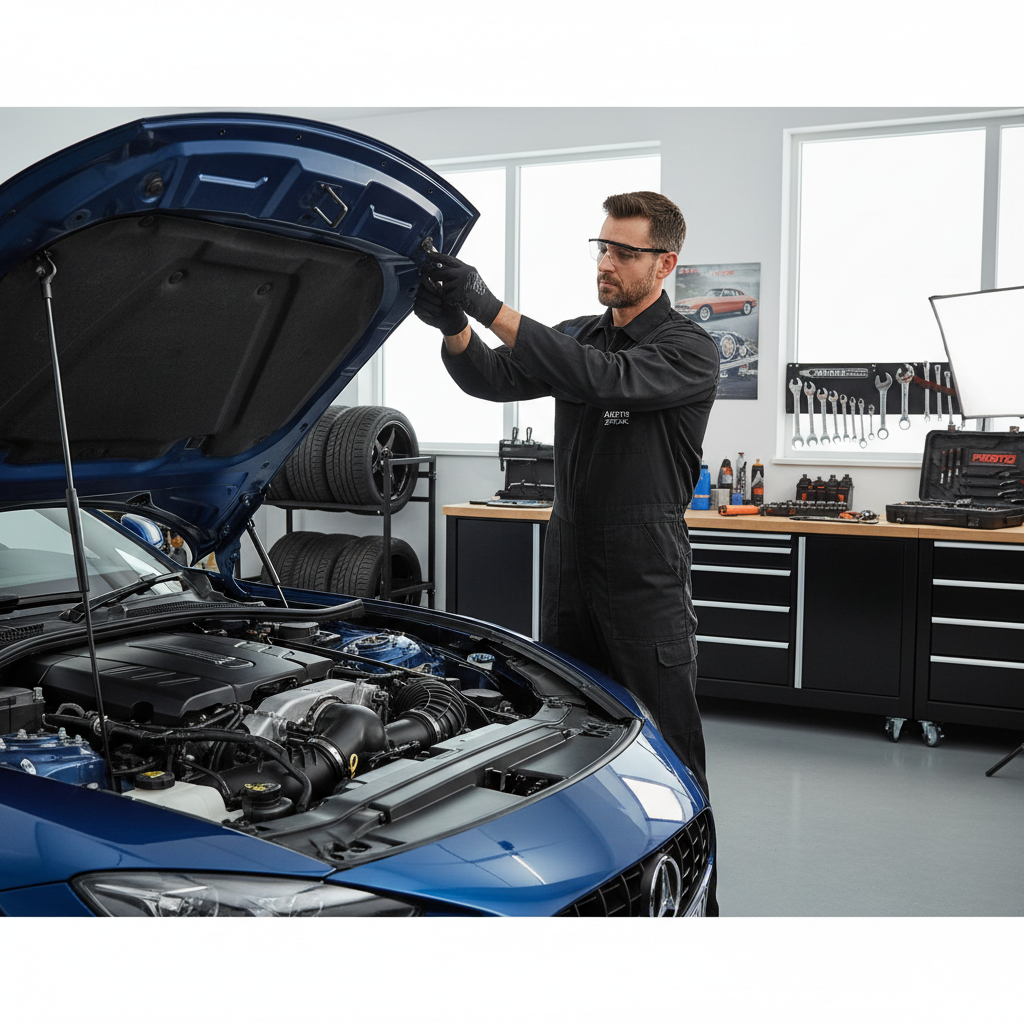
You don’t need a full shop setup for a prop rod swap, but you do need a stable way to hold the hood up while you remove the old support. If you’re unsure, getting a second person to hold the hood is a lot smarter than balancing it with a random stick.
Basic steps
- Secure the hood: Use a helper, a hood support pole, or a sturdy temporary brace placed safely, not near moving hinges.
- Remove the old rod: Typically it pops out of a clip or slides out of a bracket. Don’t pry aggressively near painted edges.
- Inspect the receiving slot: If the hood slot is bent open, gently reshape or replace the bracket, otherwise a new rod can still slip.
- Install the new rod: Seat the lower end fully, then test the hood support position before you remove the temporary brace.
- Verify stow fit: Close the hood slowly, listening for contact or rubbing, then reopen and re-check alignment.
According to OSHA, controlling hazardous energy and preventing unexpected movement is a core safety concept in maintenance environments. On a small scale, that translates here to one thing: don’t trust a partially seated rod while your hands are under the hood.
Mistakes to avoid (these cause returns, rattles, or scary hood drops)
This is the part people wish they read before ordering. A best car hood prop rod replacement on paper can still be wrong in your driveway if one small detail gets ignored.
- Assuming “fitment” means exact: Aftermarket fitment can be broad. Always compare shape and mount style, not just year/make/model.
- Reusing a cracked clip: The rod may be fine, but a tired clip lets it bounce free, especially on rough roads.
- Ignoring hood alignment: If the hood sits off-center or you see uneven gaps, the prop rod may not line up correctly until the hood is adjusted.
- Upgrading to struts with weak brackets: Some conversion kits rely on thin sheet metal areas; if the bracket flexes, the hood may feel unstable.
- Testing by slamming the hood: Close it gently the first few times, because a slightly long rod can interfere and bend.
When to get a mechanic involved (or at least a second set of eyes)
If your hood has ever dropped unexpectedly, or you see bent hinges, unusual creases, or signs of prior front-end repair, it’s reasonable to have a professional inspect alignment. That kind of issue can turn a simple rod replacement into a repeat problem.
- Hood won’t close smoothly after installing the rod
- Support point under the hood looks cracked or deformed
- Rod seems to “walk” out of the slot even when seated
- You’re converting to gas struts and need bracket placement confidence
If you work under the hood often, it’s also worth asking a shop to confirm the support system is secure, especially on older cars where metal fatigue and corrosion are common.
Conclusion: picking the right replacement without overthinking it
If you want the least hassle, an OEM-matched rod plus new retaining clip is usually the cleanest path, especially when you care more about reliability than saving a few dollars. If your vehicle is older or parts are discontinued, a carefully measured direct-fit aftermarket rod can still be a solid fix, just don’t skip the geometry check.
Key takeaway: prioritize correct length and end shape, then make sure the stow hardware is fresh, because that’s what keeps the rod secure day after day.
If you’re ready to buy, grab two photos first, one of the rod mounted and one of the hood slot, measure length, then shop with that info in front of you. It’s a small step that prevents most wrong-part orders.
Key points at a glance
- Fit beats brand: exact geometry matters more than marketing.
- Replace the clip if it shows cracking, looseness, or missing tabs.
- Don’t ignore alignment if the hood looks shifted or the slot is bent.
FAQ
How do I know the correct length for a hood prop rod?
Measure your existing rod end-to-end and note where bends begin, then compare to listings that provide dimensions. If your old rod is bent, check a VIN-based parts diagram to confirm the original spec.
Can I use a universal hood prop rod replacement?
You can, especially on older vehicles or custom projects, but universal rods often trade convenience for perfect stow fit and secure seating. If you go this route, test hood stability carefully before working underneath.
Why does my hood prop rod keep popping out?
Most cases trace back to a worn hood slot, incorrect tip shape, or a rod that’s slightly too long or short, changing the angle under load. A fresh rod won’t fix a bent receiving bracket, so inspect that area closely.
Is switching to gas struts safer than a prop rod?
Gas struts can feel safer and more convenient, but they also wear over time and depend on solid bracket mounting. If you choose a conversion kit, make sure it’s designed for your vehicle and the mounting points are sturdy.
Do I need to replace the retaining clip when I replace the rod?
Often, yes. Clips age from heat and vibration, and a loose clip creates rattles and can let the rod swing or scratch nearby parts, so replacing both together is usually the more durable fix.
What tools do I need to install a hood prop rod?
Many rods snap in without special tools, but a trim tool or small screwdriver can help with clips. The real “tool” is a safe temporary hood support or a helper, so the hood stays stable during the swap.
My hood won’t close after installing the new rod, what now?
Stop forcing it and re-check stow position and length. If the rod interferes, it may be the wrong part or the stow clip location is incorrect; if the hood alignment looks off, a mechanic inspection is a reasonable next step.
If you’re trying to pick the best car hood prop rod replacement and you’d rather not gamble on fitment, using your VIN plus a couple of clear engine-bay photos usually gets you to the right rod and clip faster, and it’s the easiest way to avoid returns and repeat fixes.