
Best car gear shift knob for comfortable grip choices come down to three things most drivers can feel within a week: hand fatigue, shift control, and whether the knob actually fits your shifter the right way.
If your palm slips when it’s hot, your fingers cramp in traffic, or the knob just feels “too small” or “too hard,” it’s usually not you, it’s the shape, material, or weight fighting your hand. The good news is a knob swap is one of the simpler interior upgrades, as long as you pick the right thread/adapter and don’t compromise safety features.
This guide breaks down what makes a grip comfortable in real driving, how to tell what you need (not what looks good in photos), and how to choose a knob that fits your car and your shifting style.
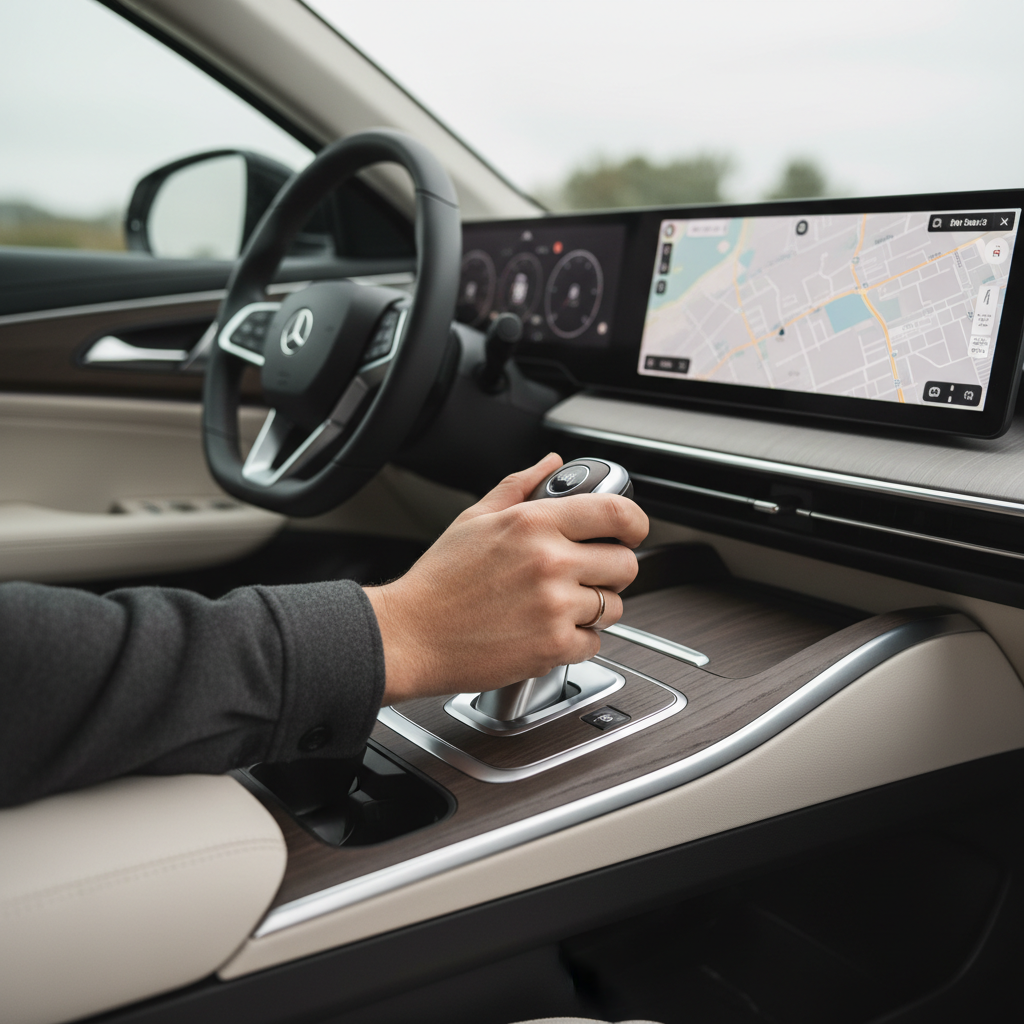
What “comfortable grip” really means (and why people get it wrong)
Comfort isn’t only “soft.” A knob can feel cushy in the driveway and still be annoying after 40 minutes of stop-and-go. Comfort usually comes from how your hand indexes on the knob, meaning you naturally find the same position every shift without thinking.
Most complaints fall into a few patterns:
- Slipping when hands are sweaty or the cabin is hot, common with glossy plastic, polished metal, or worn leather.
- Hot/cold shock, especially with bare aluminum or stainless in summer or winter.
- Pressure points on fingers from small diameter knobs or sharp edges.
- Awkward reach after installing a taller or shorter knob that changes your wrist angle.
One more thing people underestimate: weight. Added mass can make shifts feel smoother, but too much can feel “lazy,” and in some setups it can stress components over time. Fit your goal, not a trend.
Quick self-check: which knob profile fits your driving?
Before shopping, pin down how you actually drive. This saves you from buying a knob that looks premium but fights your habits.
A simple checklist
- Commute style: lots of traffic and frequent shifts, or mostly highway?
- Hand size: if gloves often feel tight or loose, that’s a useful clue.
- Grip style: palm-over for casual shifting, or fingertip/side grip for quick changes?
- Climate: very hot summers or cold winters where metal becomes uncomfortable?
- Must-keep features: shift pattern display, lockout collar, integrated button, or OEM reverse lockout setup?
If you want a fast rule: traffic-heavy drivers usually prefer a slightly larger diameter with a grippy texture, while performance-minded drivers often like a shape that “keys” into the hand (sphere or tear drop) with a stable top.
Materials that feel good in the hand (and their tradeoffs)
Material is where comfort becomes obvious day to day. It’s also where marketing gets loud, so it helps to keep expectations grounded.
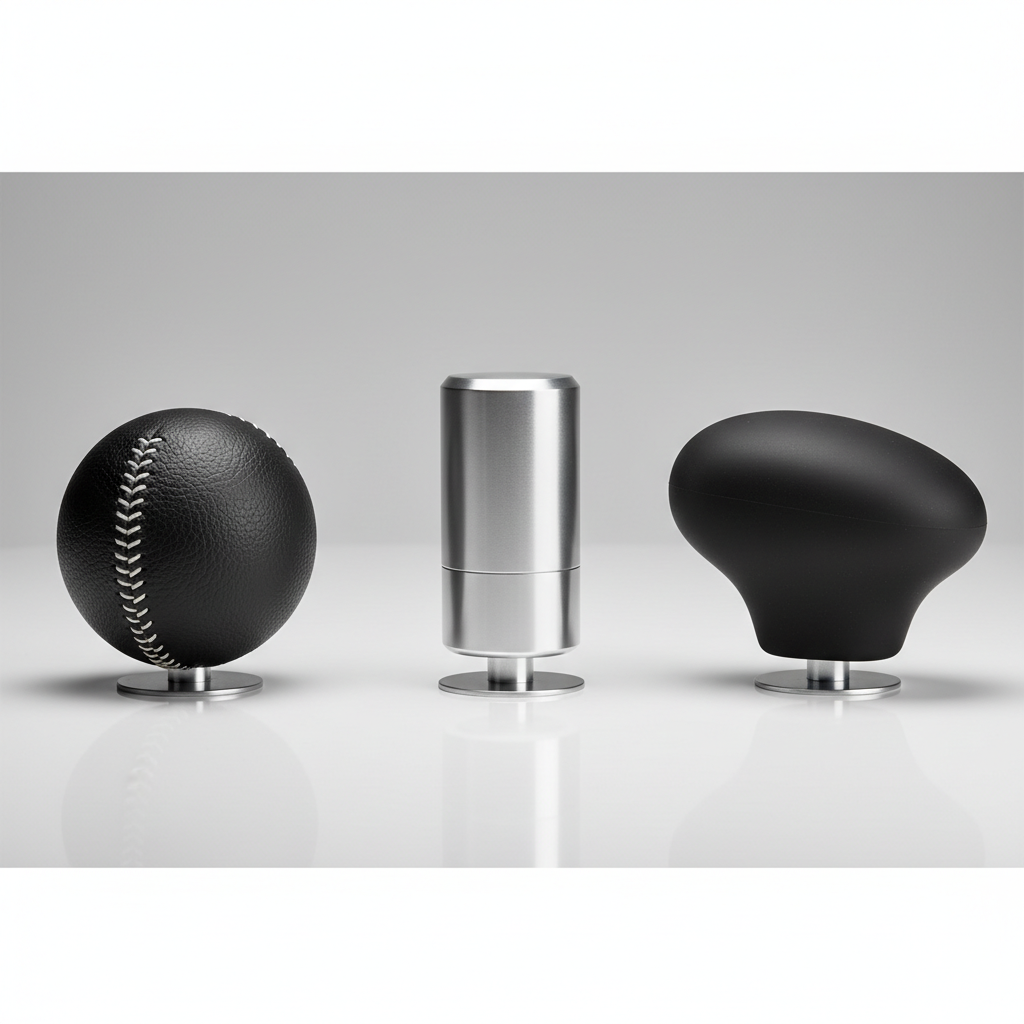
- Leather (or leather-wrapped): usually the most “natural” feel, less temperature shock, good for daily driving. Watch for slick finishes and seams that rub.
- Aluminum/stainless: durable, often paired with weighted designs. Comfort depends on texture (knurled helps). Temperature swings are the main downside.
- Delrin/acetal (engineering plastic): popular in the manual community because it stays more neutral in hot/cold, with a smooth but not icy feel.
- Rubber/silicone overlays: high grip, good for sweaty hands, but some styles look “aftermarket,” and softer skins can wear or attract dust.
- Wood/resin: can feel warm and pleasant, but durability varies widely, and a glossy clear coat can get slippery.
According to NHTSA, staying focused and keeping full control of the vehicle matters more than any interior mod, so prioritize a knob that supports confident operation and doesn’t interfere with shifting or safety features.
Shape, size, and texture: the comfort triangle
If you’re hunting the best car gear shift knob for comfortable grip, shape matters as much as material. Two knobs in the same leather can feel totally different depending on diameter and contour.
Common shapes and who they suit
- Ball (sphere): easy to reposition your hand, great “all-around” choice, especially for manual drivers who like a natural palm rest.
- Teardrop/egg: encourages consistent hand placement, often feels secure for quick shifts without squeezing hard.
- Cylinder: can work well if textured, but smooth cylinders often create finger pressure points.
- Pistol grip/handle: comfortable for some automatics and some manual setups, but it’s more personal, and can feel bulky in small cabins.
Comfort cues to look for
- Diameter: medium-to-slightly larger often reduces finger strain in traffic.
- Edge radius: rounded transitions beat sharp shoulders.
- Texture: light knurling, pebbled leather, or matte finishes usually outperform gloss for grip.
If you have wrist discomfort already, don’t guess. A knob that changes height and reach can help or aggravate it, and in persistent pain scenarios it’s smart to ask a medical professional for guidance.
Fitment matters more than brand: threads, adapters, and lockouts
Comfort disappears fast if the knob sits crooked, loosens, or blocks reverse engagement. Fitment is also where returns and frustration come from, especially online.
What to confirm before you buy
- Thread size/pitch: many manuals use common patterns (like M10x1.25, M12x1.25), but it varies by make/model/year.
- Automatic shifters: many are not threaded and require a vehicle-specific knob or an adapter kit.
- Reverse lockout: some manuals use a collar you lift; the knob must be compatible, or you may lose proper operation.
- Shift pattern: if you need the pattern visible for other drivers, pick a knob that includes it.
According to SAE International, standardized threads and fastener practices exist for safety and reliability across many applications, which is a good reminder to avoid “close enough” fitment and use the right adapter rather than forcing parts together.
Choosing the right knob: a practical comparison table
Below is a no-drama way to narrow choices based on how they tend to feel in daily use. Real products vary, but the pattern holds.
| Priority | What to look for | Often a good match | Watch out for |
|---|---|---|---|
| Less hand fatigue | Medium-large diameter, rounded shape | Leather ball, Delrin teardrop | Too small “race” knobs |
| Better grip in heat | Matte texture, knurling, rubberized surface | Textured leather, knurled metal with coating | Polished metal, glossy clear coat |
| Temperature comfort | Low-conductivity materials | Delrin/acetal, leather wrap | Bare aluminum in extreme climates |
| Smoother shift feel | Moderate added weight, stable mounting | Weighted knobs (moderate weight) | Overly heavy knobs on delicate setups |
| OEM-like look | Stitching, subtle branding, factory-style shape | Leather OEM-style replacement | Universal adapters that look “off” |
Installation and dialing in comfort (without creating new problems)
Even the best car gear shift knob for comfortable grip won’t feel right if it’s installed at an odd angle or at the wrong height. Take five extra minutes here, it pays off every drive.
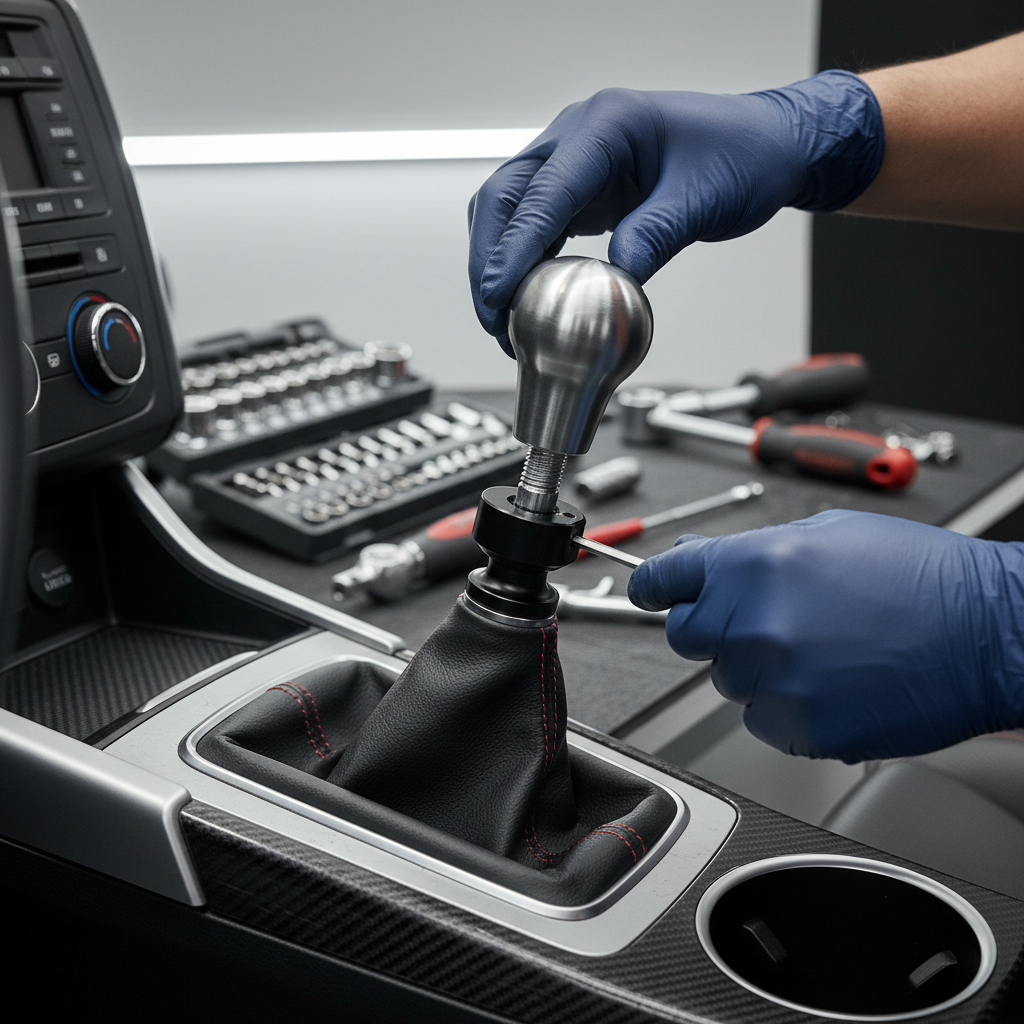
Practical steps that usually help
- Confirm threads/adapter first, then test-fit by hand before tightening.
- Set the “clocking” if you have a logo or shift pattern, so it faces straight when fully tight.
- Check clearance for reverse lockout collars, shift boots, and buttons (common on automatics).
- Drive a short loop and pay attention to wrist angle in 1st-2nd and 3rd-4th, those reveal comfort issues fast.
If you’re using thread locker, use only what the knob maker recommends, and avoid anything that makes later removal risky. When in doubt, a local mechanic can confirm fitment quickly.
Common mistakes (and how to avoid wasting money)
- Buying for aesthetics only: glossy metal looks great online, then feels slippery or painfully hot in real weather.
- Ignoring height changes: a taller knob can reduce effort for some drivers, but can also slow shifts or change reach.
- Going “max weight”: heavier isn’t automatically better, and some drivetrains respond poorly to extreme mass.
- Universal fit assumptions: many automatics need vehicle-specific designs, and some manuals have lockout quirks.
Key takeaway: choose comfort based on shape + surface + fitment, then treat weight as the fine-tuning knob, not the main decision.
Conclusion: a smart way to pick your next shift knob
The best picks usually feel boring in the best way, your hand settles naturally, you stop squeezing, and shifting gets more consistent. Start by matching shape to your grip style, pick a material that behaves well in your climate, then verify fitment details before you click buy.
If you want one easy action today, measure or confirm your shifter thread/connection type and write down your top two comfort complaints, slip or pressure points. That tiny note makes the next purchase far more likely to feel right.
FAQ
- What is the best car gear shift knob for comfortable grip in hot weather?
Many drivers prefer Delrin/acetal or leather-wrapped knobs because they stay closer to cabin temperature, with a textured finish that resists slipping when hands sweat. - Are weighted shift knobs better for comfort?
They can be, because moderate weight may smooth out the shift motion, but comfort still depends more on diameter and surface. Too much weight can feel sluggish or simply not match your shifter setup. - How do I find my shift knob thread size?
Check your owner forum, service info, or measure the shaft thread with a thread gauge. When buying online, look for listings that specify make/model/year and thread pitch, not just “universal.” - Will a new knob fit an automatic shifter?
Sometimes, but many automatics use clip-in or button-actuated designs that require a vehicle-specific knob. If your shifter has a release button or integrated electronics, double-check compatibility. - Does a bigger knob reduce hand fatigue?
Often yes, because your fingers don’t have to pinch as hard. The sweet spot varies by hand size, and overly large knobs can feel clumsy in tight interiors. - Is leather always less slippery than metal?
Not always. Smooth, sealed leather can get slick, while knurled or coated metal can grip well. Texture and finish matter as much as the base material. - Can changing the shift knob affect safety or drivability?
It can if it interferes with reverse engagement, lockout mechanisms, or secure attachment. If anything feels inconsistent after installation, stop driving and recheck fitment or ask a professional.
If you’re trying to narrow down options quickly, it helps to share your car’s year/make/model, transmission type, climate, and what bothers your hand today, then you can filter to a few knobs that are more likely to feel right instead of gambling on looks.