
Best car door pocket organizer for small items usually comes down to one thing: will it actually keep your everyday essentials from sliding, rattling, or vanishing between seats while you drive.
If your door pocket looks like a junk drawer, you’re not alone, loose coins, chapstick, charging cables, sunglasses, and key fobs all “fit” until the first hard stop, then it becomes a noisy mess.
This guide helps you choose an organizer that fits your door pocket, holds the right mix of small items, and stays stable, plus a quick checklist to confirm what you need before you buy.
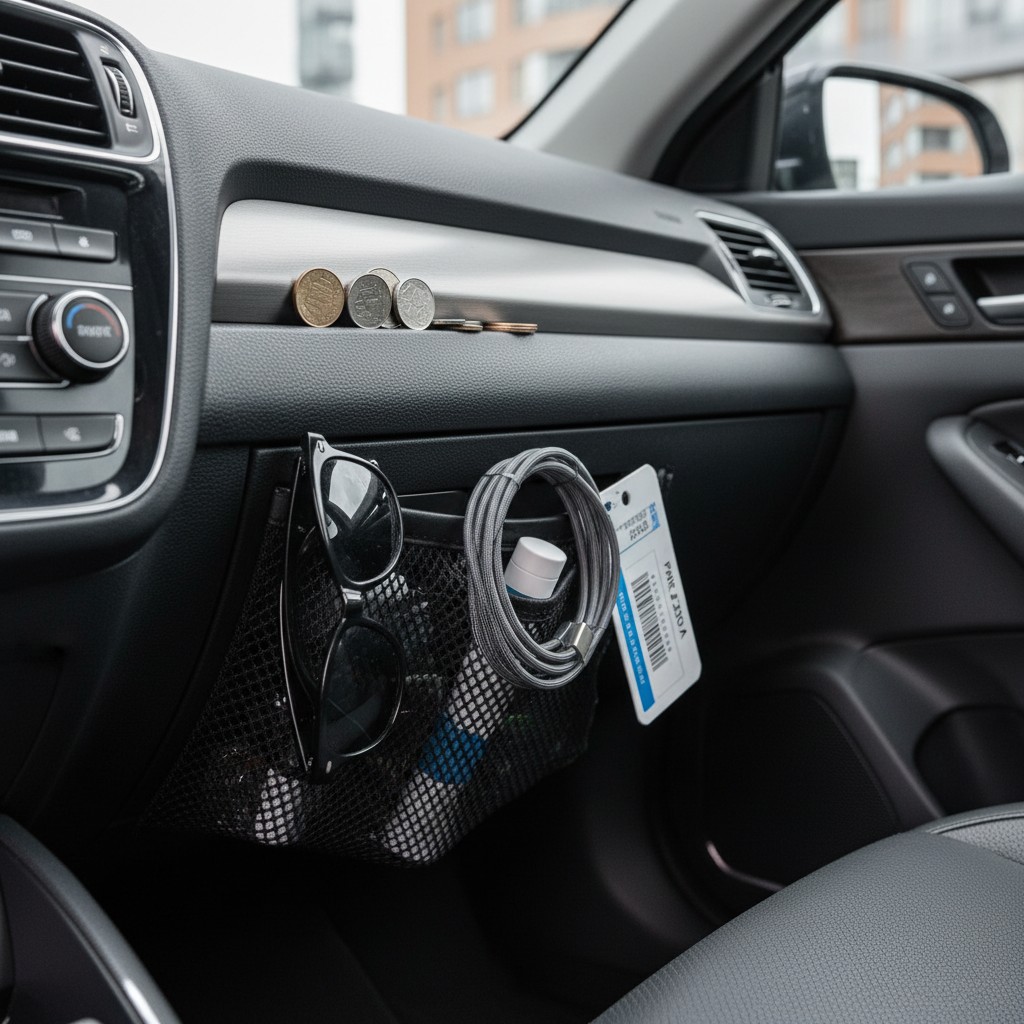
What makes a door pocket organizer “best” for small items
The best option isn’t the one with the most pockets, it’s the one that matches how your door pocket is shaped and how you actually use it day to day.
- Stays put: grippy backing, wedge shape, or a rigid shell that doesn’t slump when you take turns.
- True small-item separation: at least 2–4 narrow slots so coins and lip balm don’t bury your key fob.
- One-hand access: you should be able to grab sunglasses without “digging.”
- Easy to clean: silicone and wipeable fabric beat fuzzy liners for spilled coffee or melted candy.
- Doesn’t interfere: must not block window switches, door pulls, or bottle holders you still want to use.
Also, “small items” sounds simple, but it varies a lot, some people mean an AirPods case and a garage remote, others mean a small flashlight, tire gauge, and multi-tool.
Common reasons organizers fail in real cars
Most returns happen for boring reasons: the organizer is fine, but the door pocket isn’t.
- Door pockets taper: many narrow toward the bottom, so flat-bottom organizers rock or tilt.
- Pockets are too shallow: short door bins can’t support tall dividers, everything topples.
- Soft organizers collapse: fabric without structure turns into one big pouch, defeating the point.
- “Universal” sizing is optimistic: SUVs, sedans, and trucks can have wildly different door geometry.
- Heat and sun: some plastics warp or get tacky, especially in hot states.
According to NHTSA, keeping the driver area free of distractions matters for safety, so if your “organizer” still requires attention and rummaging, it’s working against you.
Quick self-check: which organizer style fits your situation?
Before you search for the best car door pocket organizer for small items, take two minutes to check your door pocket and your habits, it saves you from buying the wrong form factor.
- Your door pocket depth: can you stand a water bottle upright, or does it lean?
- What you reach for most: sunglasses, wallet, badge, sanitizer, charging cable, or coins?
- Noise tolerance: are you trying to stop rattles, or mainly reduce clutter?
- Kids or passengers: do you need covered compartments so things don’t get grabbed?
- Cleaning reality: do you spill coffee or have sticky hands in the car often?
If your main pain is rattling and “item drift,” look for rigid dividers or silicone trays. If the issue is things disappearing, choose deeper compartments with lip edges.
Comparison table: organizer types for small items
There’s no single “winner” style, but you can narrow fast by matching material and structure to your goal.
| Type | Best for | Typical pros | Common drawbacks |
|---|---|---|---|
| Silicone insert tray | Coins, lip balm, key fob, earbuds | Grippy, easy to wash, quiet | May not fit tapered bins; limited capacity |
| Rigid plastic divider box | Mixed small tools + daily essentials | Strong separation, holds shape | Can rattle if not lined; heat sensitivity varies |
| Fabric caddy with compartments | Light items, receipts, small bottles | Flexible fit, often cheaper | Collapses over time, harder to clean |
| Modular foam or felt insert | Custom fit, reducing vibration noise | Quiet, adjustable | Can absorb spills, may look worn |
If you’re mostly fighting noise, silicone or felt tends to feel “nicer” day-to-day than bare plastic. If you’re fighting clutter and speed, rigid dividers win.
How to pick the right one (without overthinking)
Shopping pages love features, but a few practical checks matter more than pocket count.
1) Fit and stability checks
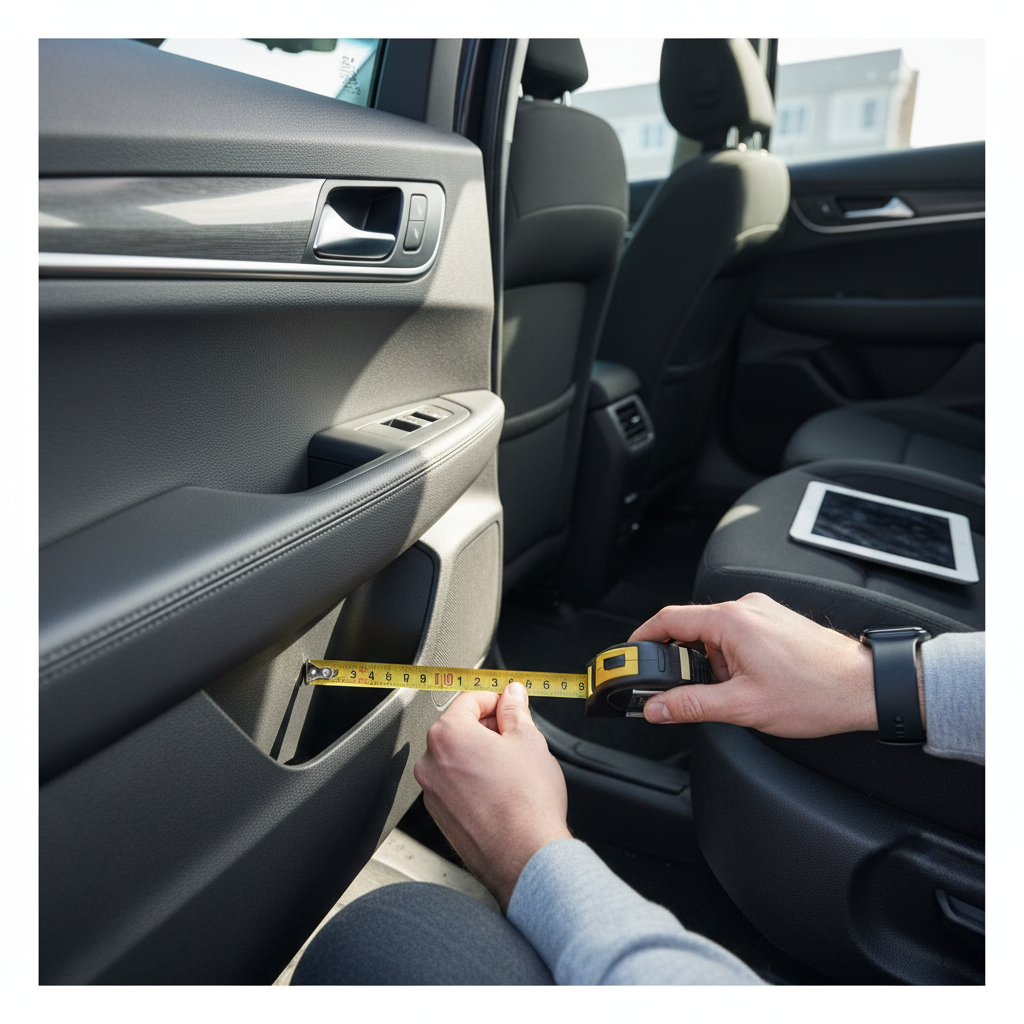
- Measure door pocket width at the top and near the bottom, taper is the surprise factor.
- Look for a non-slip base or textured silicone feet if your door pocket is smooth plastic.
- Avoid overly tall organizers in shallow bins, they tip when you pull one item.
2) Compartment sizing for small items
- Narrow slots for a pen, tire pressure gauge, or slim flashlight.
- A “dump cup” for coins is fine, but it should be separate so it doesn’t contaminate everything else.
- If you carry sunglasses, a soft-lined section helps prevent scratches.
3) Materials that handle real life
- Silicone: best for grip and easy cleaning, can attract lint but washes fast.
- ABS or similar plastics: durable, but check reviews for warping or sharp edges.
- Oxford fabric or similar: decent balance, but watch for floppy sides and stain retention.
When you’re comparing options, ask yourself one blunt question: “Will this still work when I’m rushed and driving with one hand?” If not, it’s probably not the best car door pocket organizer for small items for your routine.
Setup tips: make any organizer work better
Even a good organizer can feel mediocre if it slides or if you fill it like a storage bin. A quick setup makes a noticeable difference.
- Start with a clean pocket: wipe dust and crumbs so anti-slip surfaces can actually grip.
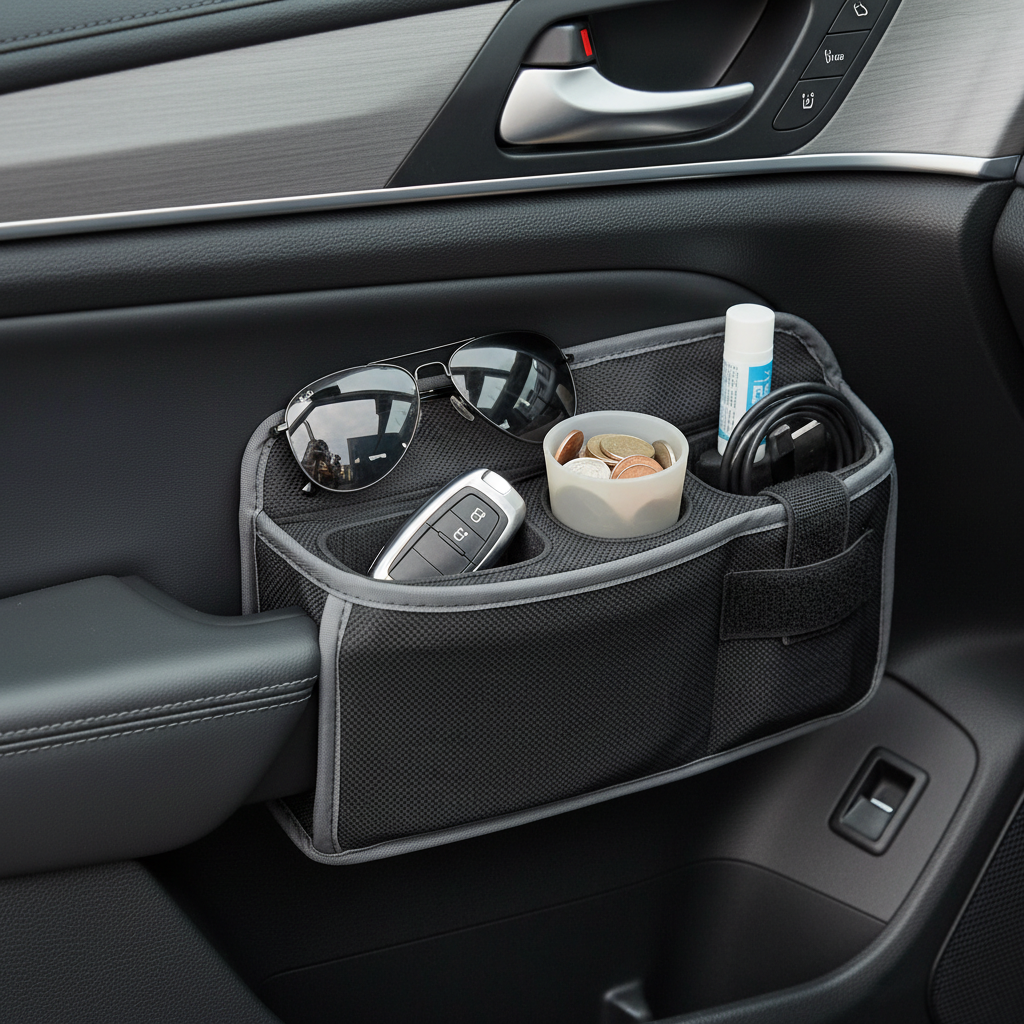
- Assign zones: top/front for daily grabs (sunglasses, badge), deeper section for backups (spare cable, small towel).
- De-noise: if you keep coins, add a small silicone cup or felt pad so they don’t rattle.
- Keep it light: door pockets aren’t glove boxes, too much weight makes slumping and tipping more likely.
According to AAA Foundation for Traffic Safety, distracted driving remains a serious issue, so the goal is fewer “search moments,” not a more complex storage system.
Mistakes to avoid (the ones people repeat)
A few patterns show up again and again, and they’re easy to fix once you notice them.
- Buying “more pockets” instead of better access: too many tiny slots can slow you down and cause more fiddling.
- Ignoring passenger-side needs: if kids ride with you, the best setup often differs on each side.
- Storing safety-critical items loosely: heavy tools in a door pocket can shift during sudden braking.
- Letting cords roam: a cable that snakes out of the pocket ends up tangled with door handles and feet.
If you’re carrying anything heavy or sharp, it may be smarter to move it to the trunk organizer or a secured console compartment.
Conclusion: what to buy based on your goal
If your priority is a quiet, clean door pocket that stops small items from sliding, a grippy silicone insert is usually the most forgiving choice. If you want crisp separation and you carry a few bulkier essentials, a rigid divider box tends to feel more “set and forget.”
Your next step is simple: measure your door pocket, list the 5–8 items you want to store, then choose a style that matches your biggest pain, noise, speed, or spill-proofing. That’s how you land on the best car door pocket organizer for small items without buying twice.
FAQ
What size door pocket organizer should I get for small items?
Measure the pocket width at the top and near the bottom, plus the depth. Many door bins taper, so an organizer that matches the bottom width matters as much as the top.
Are silicone car door pocket organizers better than plastic?
For small-item control and noise reduction, silicone often feels better because it grips and cushions. Plastic can be great for structure, but it may need a liner to prevent rattles.
Will a door pocket organizer fit any car?
“Universal” fits vary by vehicle. Sedans, trucks, and SUVs can have very different door pocket geometry, so checking dimensions is safer than relying on the label.
How do I stop coins and keys from rattling in the door pocket?
Use a dedicated coin cup, silicone insert, or a thin felt pad in the bottom of the compartment. The goal is to prevent metal-on-plastic contact while keeping items reachable.
Is it safe to store small tools in the door pocket?
Light items are usually fine, but heavier or sharp tools can shift during sudden braking. If you’re unsure, storing them in a secured console or trunk organizer is the more cautious approach.
What should I keep in the driver-side door pocket vs passenger side?
Driver side works best for quick, low-effort items like sunglasses or a parking badge. Passenger side can handle less time-sensitive items like wipes, spare cables, or tissues.
How do I clean a door pocket organizer?
Silicone typically rinses with soap and water. Fabric organizers often need spot cleaning and thorough drying, especially if they absorb spills.
If you’re trying to keep daily carry items from disappearing into the door pocket and you’d rather not experiment with a few returns, it helps to pick an organizer style based on your pocket shape and your top 5 grab items, then build a simple two-zone setup you can use without thinking.