
best car seat belt adjuster for comfort and safety usually means one thing in real life, you want the belt to stop cutting into your neck while still sitting the way it was designed to protect you.
It’s a small accessory, but it touches a big topic, belt fit. When the shoulder strap rides too high, too low, or too close to your throat, people start doing risky “fixes” like tucking the belt under an arm or sitting on the lap belt. A decent adjuster can make the correct position feel livable.
One quick boundary up front, a seat belt adjuster can improve comfort, but it should not defeat the restraint system. If you’re dealing with a medical condition, unusual seating posture, or a child who doesn’t fit the belt yet, it’s worth asking a qualified professional for guidance.
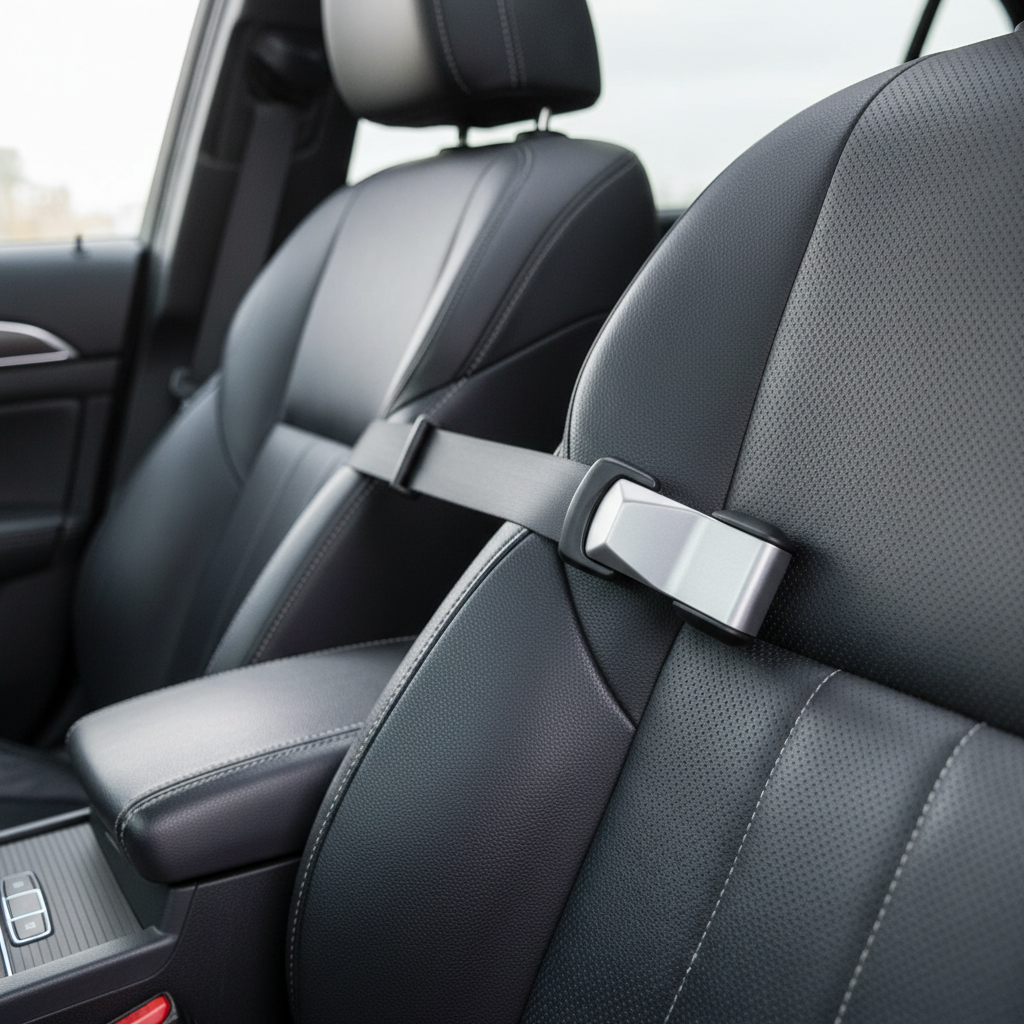
What a seat belt adjuster can (and can’t) do
A seat belt adjuster is typically a small clip, guide, or pad that changes how the shoulder strap sits across your chest, or reduces rubbing on the neck. Some also gently “hold” the shoulder belt closer to the body so it doesn’t wander toward your face.
What it cannot do is replace proper belt geometry. If the lap belt won’t stay low across your hips, or the shoulder belt won’t cross the center of your chest, the root cause might be seating position, seat height, vehicle belt anchor height, or body size.
According to NHTSA, the lap belt should fit snugly across the upper thighs, not the stomach, and the shoulder belt should lie across the chest and shoulder, not the neck or face. Use that as your north star when evaluating any comfort accessory.
Why seat belts feel uncomfortable in the first place
People assume discomfort means “the belt is wrong,” but often it’s a fit mismatch between the belt path and how you sit.
- Shoulder strap too close to the neck, common in smaller adults, teens, or anyone sitting very upright and close to the wheel.
- Seat position compromises belt angle, reclining the seatback too far can pull the shoulder belt toward your neck and let the lap belt ride up.
- Bulky clothing changes belt contact, thick coats and hoodies can make the belt feel harsh, while also reducing effective snugness.
- Sensitive skin or prior injury, even correct placement can still irritate, leading people to “cheat” the belt position.
- Vehicle belt anchor limitations, some cars have limited shoulder height adjustability, especially in older models or certain rear seats.
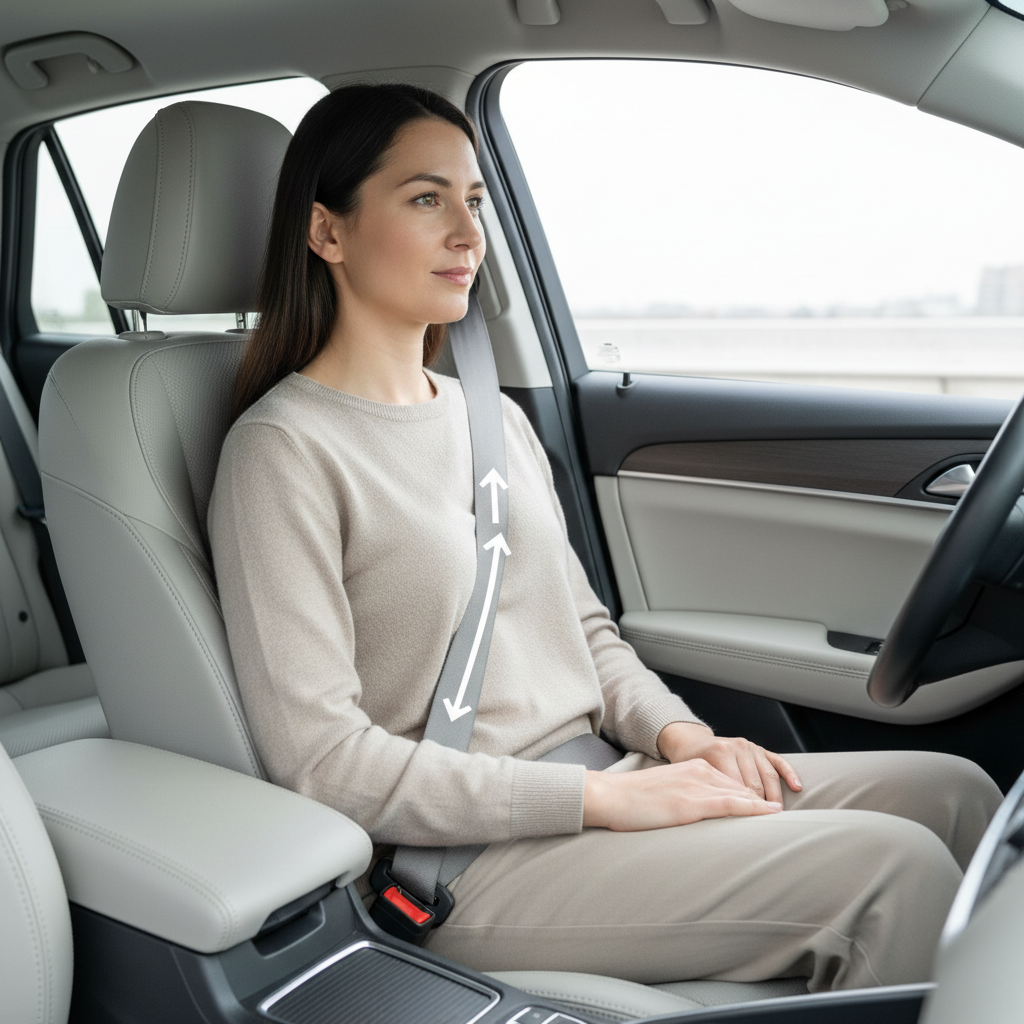
Quick self-check: do you need an adjuster or a different fix?
Before buying anything, take 60 seconds and check the basics. Many “adjuster problems” are actually seat setup problems.
Comfort issue, but belt still fits correctly
- Shoulder belt crosses mid-chest and sits on the shoulder, but rubs skin.
- Lap belt stays low on hips, but pressure feels sharp over clothing seams.
- You want less chafing for daily commutes or long drives.
In many cases, a soft belt pad or a low-profile guide can help without changing belt geometry much.
Belt fit looks wrong (fix this first)
- Shoulder belt touches your neck or face even after adjusting the seat.
- Lap belt rides up onto the abdomen.
- You feel tempted to put the shoulder belt behind your back or under your arm.
Try repositioning the seat, raising or lowering the factory shoulder anchor if your vehicle has one, and checking posture. If you still can’t get acceptable fit, choose an adjuster that improves position without adding slack.
If this is for a child or small teen
If a child does not pass a basic belt-fit check, an adjuster is not a substitute for a booster seat. According to NHTSA, booster seats help position the adult seat belt correctly on children who are not yet big enough for the vehicle belt alone. If you’re unsure, a certified child passenger safety technician can help you confirm proper setup.
Types of seat belt adjusters and how to choose
There isn’t one universal “winner,” because the best car seat belt adjuster for comfort and safety depends on what you’re trying to correct.
| Type | What it helps | Where it can go wrong | Best for |
|---|---|---|---|
| Belt pad (cushion sleeve) | Reduces chafing and pressure points | Can slide, bulk can shift belt off shoulder | Sensitive skin, long drives, correct belt fit but uncomfortable |
| Shoulder strap guide clip | Moves strap slightly away from neck, steadies belt path | Some designs create slack or pull belt off shoulder | Neck rubbing with otherwise decent geometry |
| Lap/shoulder “triangle” positioner | Brings shoulder belt down and inward | May pull lap belt upward or change load path | Use caution, only if it preserves low lap-belt placement |
| OEM-style height adjuster (vehicle feature) | Proper geometry change at anchor point | Not available in every seating position | Best first choice when your car supports it |
Buying criteria that actually matter
- No added slack, the belt should stay snug across your body, not feel looser.
- Stable placement, if it slides every time you move, you’ll stop using it.
- Does not move the shoulder belt off the shoulder, it should still cross the shoulder and chest, not your upper arm.
- Compatibility with your belt, some accessories fit poorly on very thick belts or integrated airbags.
- Easy to remove, helpful if multiple drivers share the car.
If a product’s marketing pushes “extra freedom” or encourages wearing the belt under the arm, treat that as a red flag.
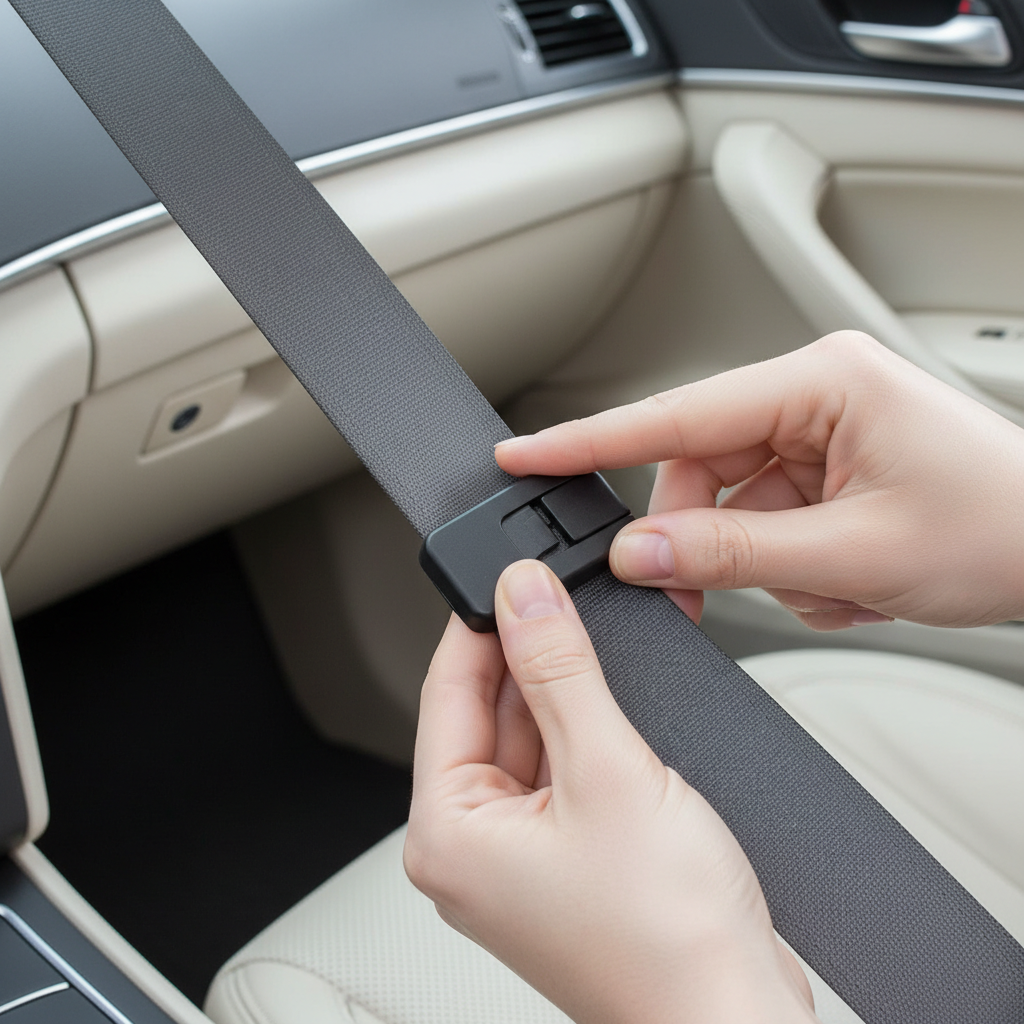
How to install and use an adjuster safely (practical steps)
The goal is comfort without undermining restraint function. If you do one thing, do this: validate belt fit after installation, not before.
- Sit how you actually drive, seatback reasonably upright, hips all the way back in the seat.
- Buckle and tighten naturally, remove twists, let the retractor take up slack.
- Install the adjuster where it stays put, usually mid-chest area for a guide clip, or slightly above the collarbone for a pad that prevents rubbing.
- Re-check lap belt position, it should stay low across hips and upper thighs.
- Do a movement check, turn your head, reach the wheel, simulate a shoulder check, the belt should not slip off the shoulder.
- Try a quick “lock” test if your belt locks, pull the shoulder belt all the way out and let it retract, common in many vehicles; confirm the accessory doesn’t stop retraction.
If the belt starts feeling looser after adding the device, or if the shoulder strap now sits on your upper arm, that setup is trending in the wrong direction.
Common mistakes that reduce safety (even if comfort improves)
This is where people get frustrated, because the “comfiest” position is not always the safest. Still, you can usually get both.
- Pulling the shoulder belt too low, if it crosses below the chest, it may not manage crash forces as intended.
- Allowing the lap belt to ride up, many abdomen injuries relate to poor lap-belt placement.
- Using add-ons with unknown compatibility, especially on belts with pretensioners or built-in airbags, check the vehicle manual and product guidance.
- Using an adjuster to “fit” a child, boosters exist for a reason, and fit is the point.
- Ignoring the factory shoulder height adjuster, if your car has it, it’s often the cleanest fix.
Also, don’t overlook simple comfort wins, a different shirt collar, moving the seat slightly, or removing bulky layers can solve the neck rub without any accessory at all.
When to ask a professional (and who that is)
If you’re shopping for the best car seat belt adjuster for comfort and safety because the belt never fits correctly, it may be time to stop guessing.
- For children, look for a certified Child Passenger Safety Technician. According to Safe Kids Worldwide, CPSTs can help caregivers use car seats and boosters correctly and check belt fit.
- After a crash, or with a damaged belt, consult your vehicle dealer or a qualified repair professional before adding any accessory.
- Chronic pain, pregnancy, or medical considerations, a clinician may help you weigh comfort changes against risk, since individual circumstances vary.
If you feel you must route the belt behind your back to tolerate driving, that’s a strong signal the underlying fit issue needs a higher-quality fix than a simple clip.
Key takeaways and a sensible next step
A good adjuster should make correct belt positioning easier to live with, not create slack or pull the belt off your shoulder. If your belt fit is already correct and you mainly want less irritation, a low-profile pad or stable guide tends to be the safer direction.
Action-wise, start by adjusting your seat and any factory shoulder height setting, then choose an accessory that preserves lap-belt placement and keeps the shoulder belt centered across your chest. If you’re buying for a child, verify belt readiness first, and consider a booster when fit is not there yet.
FAQ
What is the best car seat belt adjuster for comfort and safety for short adults?
Many shorter adults do best with a stable shoulder-strap guide that moves the belt slightly away from the neck without dragging it off the shoulder. If your car has a height-adjustable shoulder anchor, try that first because it changes geometry at the source.
Are seat belt adjuster clips legal in the U.S.?
Rules can vary by state and by how the device affects belt function, and manufacturers may not endorse third-party accessories. If legality or compliance matters for your situation, it’s reasonable to check state guidance and your vehicle manual, and avoid anything that alters intended restraint behavior.
Can a seat belt pad make the belt less effective?
It can, if the pad is bulky enough to move the strap off your shoulder or interfere with retraction. A thin, non-slip pad used for chafing is often lower risk than devices that change belt routing, but you still want to confirm the belt lies flat and snug.
Why does my seat belt cut into my neck even when I adjust the seat?
Common reasons include limited shoulder anchor adjustment in your seating position, a seatback angle that’s too reclined, or body proportions that place the belt path close to the throat. In those cases, a small guide may help, but only if it keeps the belt on the shoulder and across the chest.
Can I use a seat belt adjuster for my child instead of a booster?
Usually that’s not the right tradeoff. If the child fails basic belt fit, a booster is designed to position the belt correctly. When in doubt, a CPST can check fit in a few minutes and tell you what’s appropriate for your vehicle seating position.
Will an adjuster work with seat belts that have pretensioners?
Pretensioners are common in modern cars, and they’re part of how belts manage crash forces. Because compatibility can vary by design, it’s smart to read the vehicle manual and the accessory’s instructions, and avoid products that prevent smooth retraction or introduce slack.
How do I know if my adjuster is making the belt too loose?
If you can pinch a lot of webbing away from your collarbone or chest after normal buckling, or if the shoulder belt no longer retracts promptly, that’s a warning sign. Remove the accessory and re-check fit with the belt alone.
A low-effort way to choose without overthinking
If you’re trying to reduce neck rubbing but want to stay conservative on safety, start with the least invasive option, a thin, non-slip belt pad, then move to a low-profile guide clip only if fit still looks correct after install. If you’d rather not guess, getting a quick belt-fit check from a CPST or following your vehicle manual’s belt-fit guidance can save you from buying two or three accessories that never feel quite right.