
Best car interior deodorizer spray for smoke is the one that removes odor at the source, not the one that just smells “strong enough” to cover it up for a day.
If you’ve tried a few sprays and the smoke smell keeps coming back, you’re not imagining things, smoke odor clings to fabric, headliners, vents, and even the thin film on glass. A quick spritz on the seats rarely reaches what’s actually holding the smell.
This guide breaks down what works in real cars, how to choose a spray by formula type, and a simple step-by-step routine you can repeat whenever the odor returns.
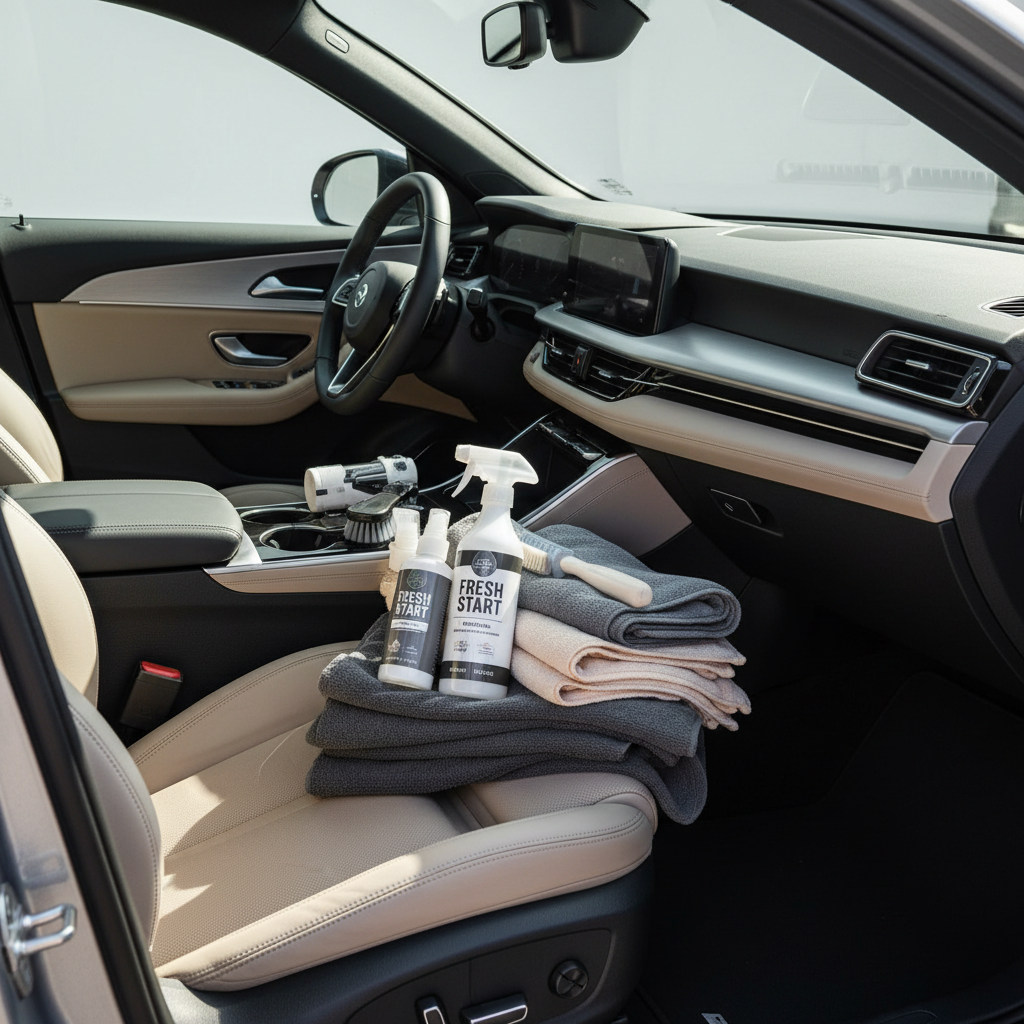
Why smoke odor is so hard to remove in a car
Smoke is a mix of tiny particles and sticky residues that embed into porous surfaces, so the odor often “releases” again when the cabin warms up. That’s why the smell seems worse after the car sits in the sun.
- Fabrics and foam trap residue deep under the surface, especially seats, carpets, and the headliner.
- HVAC vents can hold odor in the evaporator area and ducting, then re-circulate it when you run the fan.
- Glass and hard plastics collect a thin film that keeps smelling even after you vacuum.
According to the U.S. Environmental Protection Agency (EPA), ventilation and source control are key strategies for improving indoor air quality. In a car, that translates to removing residue from surfaces and not relying on fragrance alone.
What to look for in a smoke deodorizer spray (not all “odor eliminators” behave the same)
When you’re shopping for the best car interior deodorizer spray for smoke, the label matters less than the odor technology and where you plan to use it.
Four common formula types (and when each makes sense)
- Enzyme-based: Often useful for organic odors, but smoke isn’t purely “food spill” style odor. Some enzyme products still help on fabrics when combined with good cleaning.
- Oxidizers (oxygen-based): Can reduce stubborn odors on soft surfaces, but you’ll want to follow directions closely and spot-test, some interiors are sensitive.
- Odor neutralizers (molecular binders): Designed to capture odor molecules rather than perfume over them, usually a good baseline choice for cabins.
- Fragrance-forward sprays: Fine for a quick reset, but they commonly fade fast and can mix with smoke odor in an unpleasant way.
Practical selection checklist
- Low-residue (won’t leave seats feeling tacky)
- Fabric-safe and plastic-safe (check label for upholstery/interior use)
- Minimal scent option if you get headaches from heavy perfumes
- Trigger sprayer quality that can mist evenly, uneven soaking creates water spots and stale damp smells
Quick self-test: where is the smoke smell actually coming from?
This takes five minutes and saves you from treating the wrong spot.
- Smell strongest near the ceiling: headliner and upper trim often hold smoke the longest.
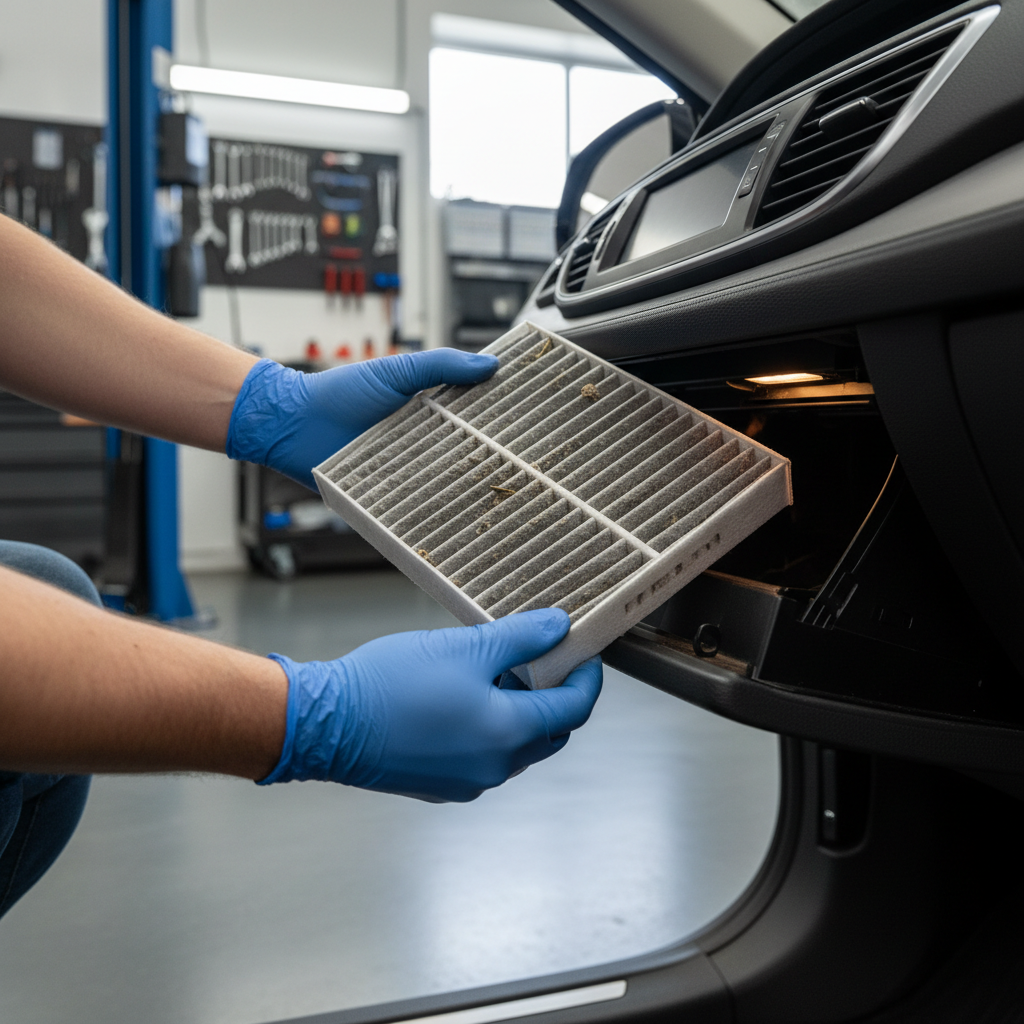
- Smell spikes when the fan turns on: HVAC system likely needs attention, especially the cabin air filter.
- Smell clings to seats even after spraying: odor is probably in seat foam, not just the fabric surface.
- Smell on humid days: moisture “reactivates” residue in carpets and padding.
If you can’t pinpoint it, do a simple isolation check: put your nose near the carpet, then seat seams, then the headliner, then turn on the HVAC fan with recirculation off. One of those usually “gives it away.”
A realistic comparison table: which spray type fits your situation?
There’s no single product that wins in every scenario. Use this to choose the “right tool” for your car and your tolerance for scent.
| Situation | What usually works best | What to avoid |
|---|---|---|
| Light smoke smell after one ride | Odor neutralizer spray + ventilation | Over-spraying heavy fragrance |
| Persistent smell in cloth seats | Neutralizer or oxygen-based spray + light agitation + dry time | Soaking seats until damp for hours |
| Smell returns when AC turns on | Replace cabin air filter + vent-safe deodorizer used correctly | Spraying large amounts directly into vents |
| Smoke smell mixed with “old car” odor | Deep clean + neutralizer maintenance spray | Masking scents that make it smell musty-sweet |
How to use a deodorizer spray for smoke (step-by-step, the way detailers tend to do it)
Most people fail at the “prep” step, then blame the spray. You don’t need a full detail, but you do need to remove the stuff the odor clings to.
1) Reset the cabin in 15–25 minutes
- Remove trash, old air fresheners, and ash residue.
- Vacuum seats, seams, and carpet edges, smoke particles settle in those lines.
- Wipe hard surfaces and clean the inside of the glass, that film is real.
2) Treat soft surfaces without soaking them
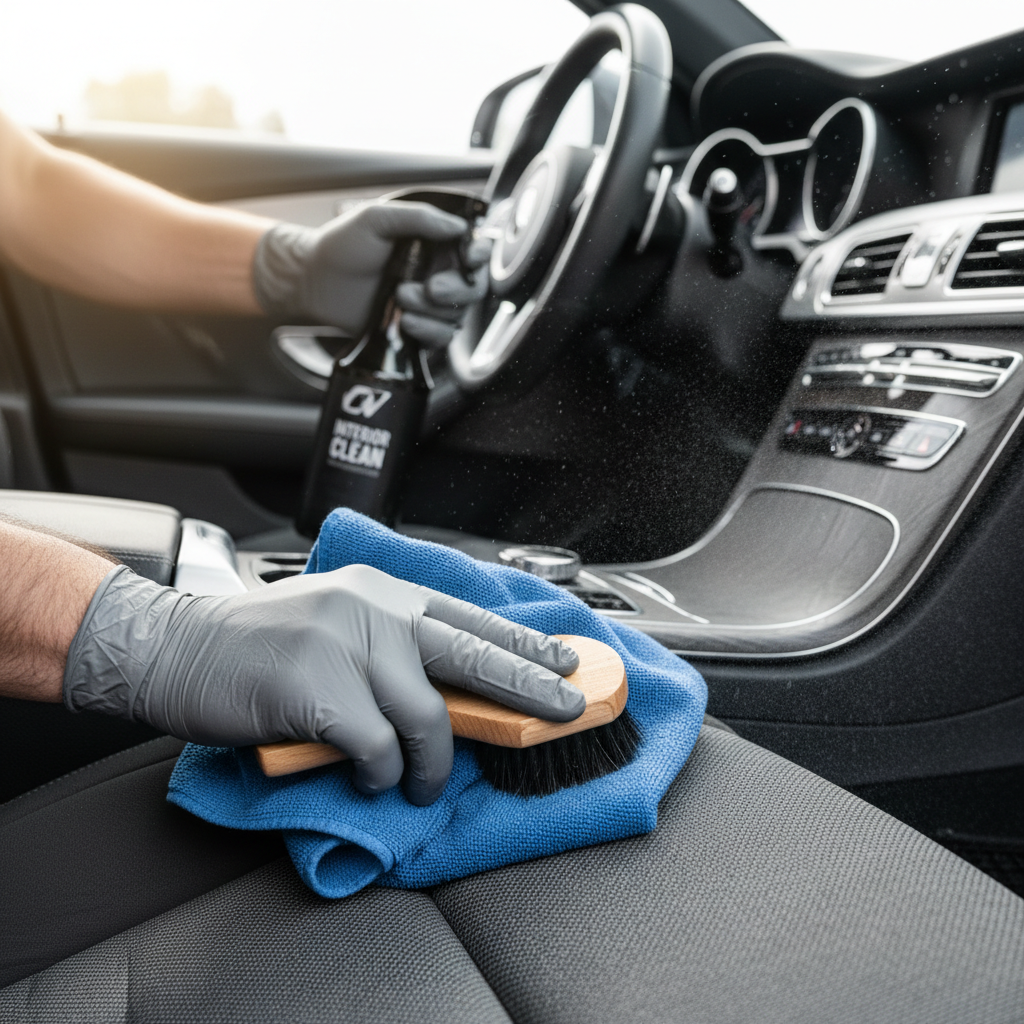
- Mist lightly over fabric seats, carpet, and floor mats.
- Use a clean microfiber to gently press and lift rather than scrub aggressively.
- Leave doors open (or windows cracked) to dry, damp fabric can create a second odor problem.
3) Handle HVAC odor the safe way
- Replace the cabin air filter if you don’t know its age, it’s a common smoke smell “storage unit.”
- Run fan on fresh air (not recirculate) for a few minutes after treatment.
- Only use products labeled for vent/HVAC use, and follow instructions closely.
Key point: if your spray works on day one but fades by day three, that often means the residue is still in the headliner, seat foam, or HVAC, not that the product is “bad.”
Common mistakes that keep the smoke smell coming back
- Spraying and immediately closing the car: you trap moisture and scent, and the odor rebounds later.
- Ignoring the headliner: it’s delicate, but it’s also a huge odor sponge. Use a very light mist and blot, never saturate.
- Mixing multiple strong fragrances: smoke + perfume can become a stubborn “third smell.”
- Skipping glass cleaning: smoke film on windows can keep the cabin smelling stale even after seats improve.
- Assuming one pass is enough: many cars need two light rounds a day apart rather than one heavy treatment.
When a spray isn’t enough (and what to try next)
Sometimes you’re doing everything “right” and the odor still hangs on, usually because the smoke exposure was long-term or the car has absorbed residue in padding you can’t reach easily.
- Ozone treatment: commonly used by pros, but it’s not casual DIY. Ozone can be irritating and may degrade some materials, so follow manufacturer guidance and consider a reputable detail shop.
- Extraction cleaning: hot water extraction for carpets and seats can pull out deeper residue, but improper drying can cause mildew smells.
- Professional interior detailing: worthwhile when the headliner, seat foam, and vents all carry odor and you want a single coordinated fix.
If smoke exposure came from frequent in-car smoking, or you notice breathing irritation, it may be smart to consult a professional detailer and, for health concerns, a qualified clinician. This article stays in the “odor control” lane, not medical advice.
Conclusion: picking the best option and keeping the cabin fresh
The best results usually come from pairing a true odor-neutralizing spray with light cleaning and airflow, then treating the specific hotspot, seats, headliner, or HVAC, instead of fogging the whole cabin and hoping for the best.
If you want a simple next step, do this today: clean interior glass, vacuum seams and carpets, then apply a light mist of an odor neutralizer to soft surfaces and let the car dry with airflow. If the smell spikes when the fan runs, replace the cabin air filter before buying your next spray.
FAQ
What is the best car interior deodorizer spray for smoke if I hate strong fragrance?
Look for an odor neutralizer marketed as “unscented” or “low scent,” and prioritize products that bind or neutralize odor molecules. In many cases, fragrance-heavy sprays feel effective at first but become annoying fast in a closed cabin.
Why does smoke smell come back after I deodorize the seats?
It often means the odor source sits deeper than the fabric surface, commonly in seat foam, carpet padding, or the headliner. A second light treatment after full drying, plus cleaning interior glass, tends to help more than soaking the seats.
Can I spray deodorizer into my car vents to remove cigarette smell?
Only use a product labeled for HVAC/vent use and follow directions carefully. In a lot of situations, changing the cabin air filter and running fresh-air mode does more than spraying into vents.
How long should I air out the car after using an odor eliminator?
Plan for at least 15–30 minutes with doors open if conditions allow, longer if fabric feels even slightly damp. The goal is to avoid trapped moisture that can create a musty smell on top of smoke odor.
Does baking soda work better than a deodorizer spray for smoke?
Baking soda can help on carpets and mats by absorbing some odor, but it’s not a complete solution for smoke film on glass or residue in fabric and vents. Many people use it as a support step, then rely on a neutralizing spray for maintenance.
Is ozone safe for removing smoke odor in a car?
Ozone is effective for some odors, but safety and material compatibility vary. It may irritate lungs and can affect certain interior materials, so many drivers choose a professional service rather than experimenting in a closed space.
How do I keep smoke smell out of my car long-term?
After you remove the residue, the long-term win is prevention: keep windows cracked briefly after exposure, clean glass regularly, and use a light neutralizer as needed instead of layering scents. If smoking happens in the car, odor control becomes much harder.
If you’re trying to choose the best car interior deodorizer spray for smoke without wasting money on “cover-up” products, a good approach is to start with a low-residue neutralizer, pair it with quick prep cleaning, then escalate to HVAC/filter or pro detailing only if the smell keeps rebounding.