
Choosing a Water Bottle That Actually Works in the Car
best car pet water bottle for travel dogs is a search most people make right after one annoying moment, a soaked car seat, a dog that won’t drink from a bowl, or a roadside stop that turns into a small mess. The good news is that the “right” bottle usually isn’t about fancy features, it’s about matching the bottle style to your dog’s drinking habits and your car routine.
Hydration on the road is easy to underestimate because dogs don’t always ask for water the way humans do, and many dogs get distracted by new smells, motion, and noise. Then you arrive and realize they drank almost nothing, or they gulped too fast and spit half of it back up.
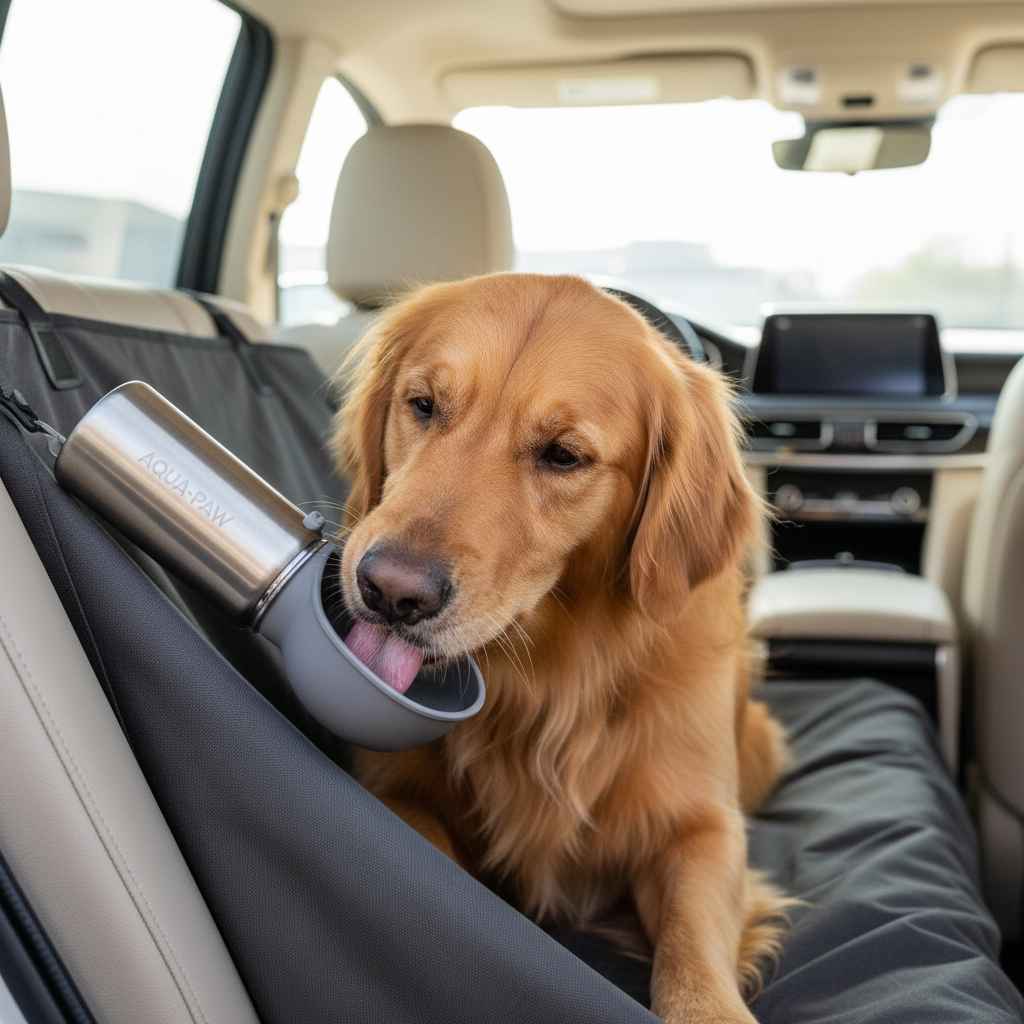
This guide stays practical: what to look for, what to avoid, and how to use a travel bottle in a moving vehicle without turning it into a chore. I’ll also include a quick comparison table and a few decision shortcuts so you can stop overthinking it.
What Makes a “Car-Friendly” Dog Water Bottle Different
Many portable dog bottles work fine on walks, then feel clumsy in a car. The difference comes down to spill control, one-hand operation, and how the drinking surface fits your dog’s muzzle.
- Spill resistance: Look for a true lock or valve, not just “it doesn’t leak if upright.” Cars tip bottles, bags squeeze them, and kids step on them.
- One-hand use: In real life you’re holding a leash, opening a door, or steadying your dog. A bottle that needs two hands gets used less.
- Drinking interface: Some dogs prefer a trough-style leaf bowl, others drink better from a wide cup, and a few do well with a nozzle. Pick the style your dog understands fast.
- Easy to clean: Narrow necks and complex valves can trap biofilm. If cleaning feels annoying, it often gets postponed.
- Fits your storage: Cupholders, door pockets, seat-back organizers, and travel crates all have different constraints.
According to AVMA (American Veterinary Medical Association), safe travel planning for pets includes making sure they have access to water and appropriate breaks, which is exactly where a good bottle earns its keep.
Quick Comparison Table: Bottle Styles You’ll See Most
There isn’t one universal winner, but the table below gives a reliable “what this is good for” map.
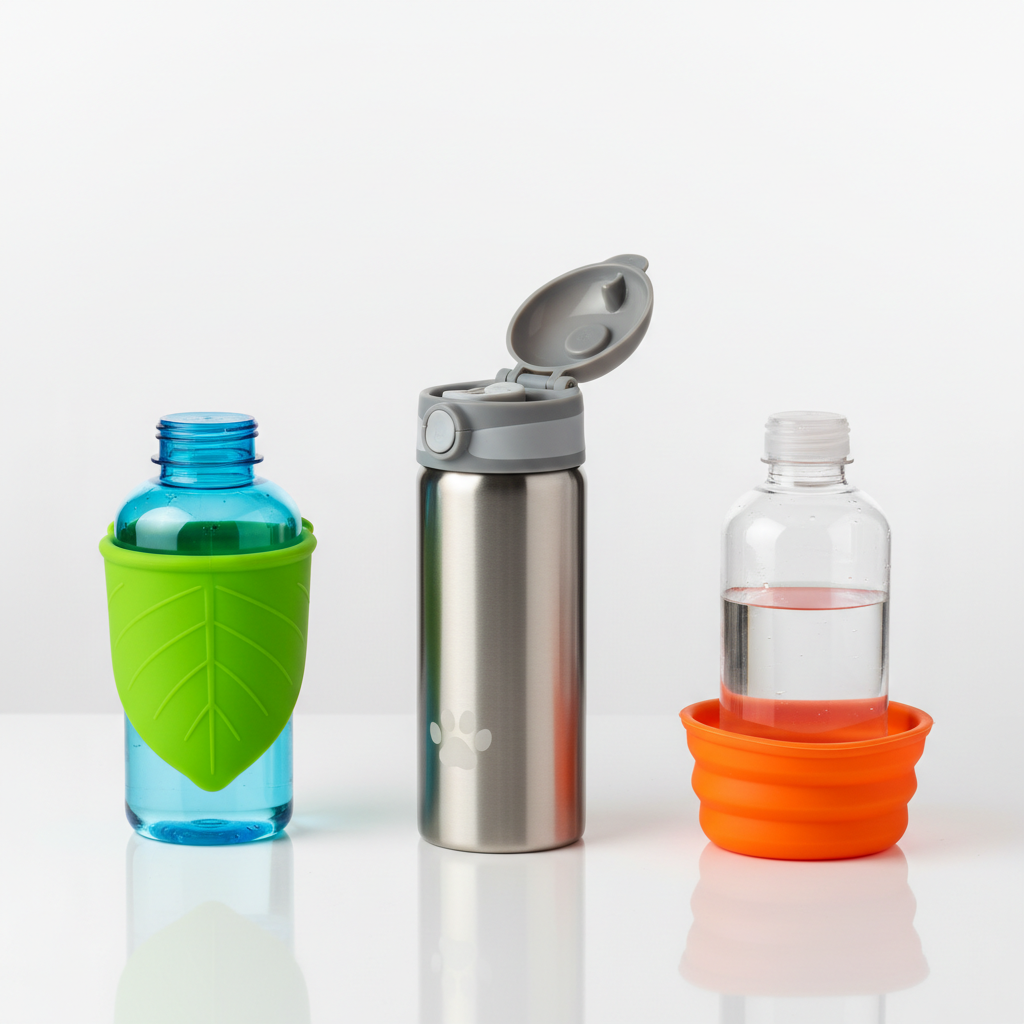
| Style | How it works | Best for | Common drawback |
|---|---|---|---|
| Leaf / trough bottle | Squeeze water into an attached trough, dog laps it up | Most dogs, quick stops, minimal gear | Needs periodic deep cleaning around the trough seam |
| Flip-top cup bottle | Cap flips open into a cup, pour or squeeze into cup | Dogs that dislike trough shapes, shared water for two dogs | More spill risk if you overfill or tilt |
| Nozzle bottle | Dog drinks from a nozzle like a hamster bottle | Crate travel, very tight spaces, dribble control | Many dogs don’t “get it,” slower drinking |
| Collapsible bowl + regular bottle | Use any water bottle, pour into a silicone bowl | Long trips, big dogs, multi-pet families | More items to carry, bowl can pick up dirt |
How to Tell Which One Your Dog Will Actually Use
People often buy based on features, then discover their dog refuses the drinking surface. A fast way to decide is to match to muzzle shape, drinking style, and how impatient your dog gets at stops.
A simple self-check (2 minutes)
- Your dog gulps fast and gets messy: favor a trough bottle with a lock and moderate flow, or a cup with a controlled spout.
- Your dog is flat-faced (Frenchie, Pug, Boxer mix): wide cup or shallow trough tends to be easier than deep narrow cups.
- Your dog is hesitant in new places: choose the style that resembles your home bowl the most, usually a cup.
- You do crate travel: consider a nozzle option or a bowl at planned stops, instead of offering water while driving.
- You travel with two dogs: a larger reservoir or collapsible bowl setup reduces refills.
If you’re unsure, the “least regret” pick for many households is a trough bottle with a firm lock, because most dogs understand lapping water immediately.
One more reality check: if your dog already drinks poorly on road trips, the best car pet water bottle for travel dogs is the one you can offer more often, not the one with the longest feature list.
Key Features Worth Paying For (and What’s Mostly Marketing)
Some features genuinely change the experience, others sound great until you clean them twice.
Usually worth it
- True lock mechanism: a physical slider or button that prevents accidental squeeze-leaks in a bag.
- Wide opening for cleaning: you should be able to reach inside with a bottle brush.
- Food-grade materials: common options include stainless steel or BPA-free plastics, your preference often depends on weight and insulation needs.
- Measured volume marks: helps you track intake, especially for hot weather drives.
Often less important than it sounds
- Ultra-large capacity: great in theory, but heavy and awkward one-handed; many people end up not using it mid-trip.
- Complicated multi-valve “anti-leak” systems: can be fine, but if it’s hard to disassemble, residue builds up.
- Built-in treat compartments: convenient, but they add crevices and cleaning time.
According to FDA guidance on food-contact materials, choosing containers made for food and beverages is a sensible baseline, especially when water may sit warm in a car for hours.
How to Use a Dog Water Bottle in the Car Without Spills
This part matters more than the brand. Even a great bottle can turn messy with the wrong routine.
- Offer water when parked, not while moving, in most situations. It’s safer and reduces motion-triggered gulping.
- Start with small sips, wait 30–60 seconds, then offer more. Many dogs settle into drinking after the first taste.
- Keep a “wipe kit” nearby: a small microfiber towel or pet wipes in the door pocket saves your upholstery.
- Angle the drinking surface slightly upward, especially with trough bottles, so water pools where the tongue reaches.
- Use a seat cover if you already know your dog drools a lot, it’s not a bottle problem at that point.
Practical tip: if your dog gets carsick, big drinks can make nausea worse. In that case, smaller, more frequent offers usually go better, and it may be worth asking your veterinarian what’s appropriate for your dog.
Cleaning, Hygiene, and Water Safety on Road Trips
A travel bottle is basically a warm, wet environment, so cleaning needs to be simple enough that you’ll actually do it.
A routine that’s realistic
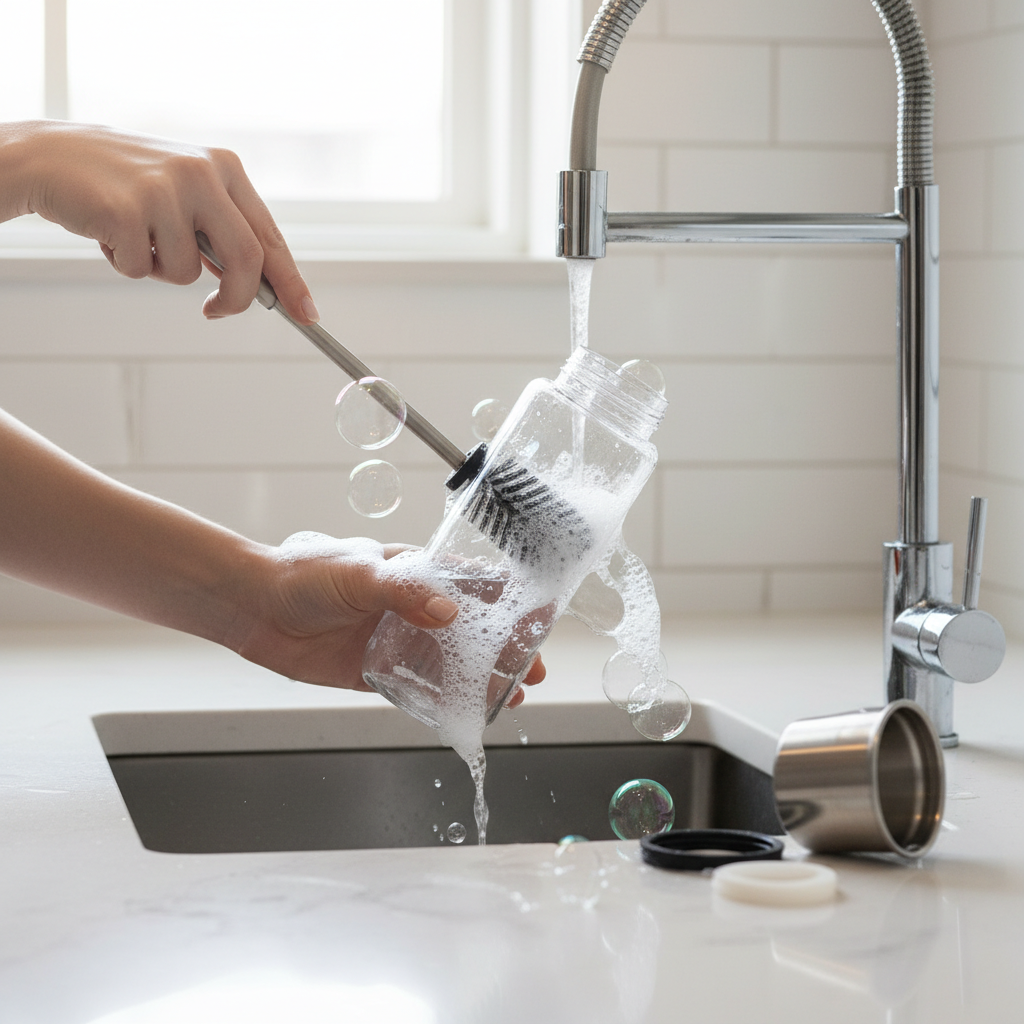
- Daily on trips: hot water rinse + a drop of dish soap, then air-dry fully with the cap off.
- Every few days: bottle brush scrub on the inside and around the drinking surface, especially trough corners and valve parts.
- Replace parts if needed: if silicone seals smell funky after cleaning, it’s often time to swap them.
For water itself, don’t overcomplicate it. If your dog is sensitive to unfamiliar water, bringing the same water your dog drinks at home can reduce refusals, and it can be a low-drama fix on longer drives.
According to CDC (Centers for Disease Control and Prevention), regular cleaning of items that contact saliva helps reduce germ spread, which is a sensible reminder when multiple pets or family members handle travel gear.
My Shortlist: What “Best” Usually Means by Travel Scenario
If you came for a clear pick, here’s the honest version: the best car pet water bottle for travel dogs depends on how you stop, where your dog rides, and how much mess tolerance you have.
- Quick errands and short drives: trough bottle with lock, 12–20 oz range, easy one-hand squeeze.
- Long highway days: collapsible bowl + standard bottle or larger trough bottle, because your dog may need a real drink, not tiny sips.
- Crate-in-cargo-area travel: planned stops with a bowl tends to be simpler, nozzle bottles can work if your dog already uses them.
- Hot-weather trips: insulated bottle can help, but the bigger win is more frequent shaded breaks and offering small amounts more often.
Key takeaway: prioritize a spill-resistant lock, a drinking surface your dog accepts immediately, and cleaning that won’t become a weekly argument with yourself.
Conclusion: A Good Bottle Prevents the Trip From Becoming About Water
The best car pet water bottle for travel dogs is the one that fits your dog’s mouth, your hands, and the way you actually travel, not the way product photos imply you travel. Pick a style your dog understands, confirm it doesn’t leak in a bag, then practice offering a few calm sips during parked moments before your next longer drive.
If you want the simplest next step, choose one bottle style, test it on two short rides, then adjust based on what your dog does, not what the label promises.
FAQ
What is the best car pet water bottle for travel dogs if my dog hates new gear?
A flip-top cup or shallow trough often works because it feels closer to a normal bowl. You can also let your dog sniff it at home, offer water from it in the kitchen, then introduce it in the car.
Can I give my dog water while the car is moving?
It’s possible, but many situations are safer and cleaner when you offer water while parked. If your dog is anxious, gulping, or carsick-prone, parked sips tend to go better.
How often should I offer water on a road trip?
It varies by dog size, weather, and stress level. A practical approach is offering small amounts at regular stops, and watching for signs like heavy panting, dry gums, or unusual lethargy, if you’re unsure, ask your veterinarian for guidance for your dog’s situation.
Are leak-proof dog water bottles truly leak-proof?
Some are, many are “leak-resistant.” A real test is filling it, locking it, tossing it in a bag, and placing weight on it. If it leaks under pressure, it will likely leak on the road.
Is stainless steel better than plastic for dog travel bottles?
Stainless steel can be durable and may resist odor retention better, but it can be heavier. BPA-free plastic is lighter and often easier to squeeze for trough bottles, the better choice is usually the one you’ll use consistently.
Why does my dog drink fine at home but barely drinks in the car?
Travel stress, motion, and unfamiliar environments can lower drinking interest. Bringing familiar water, offering calmer parked breaks, and using a bowl-like drinking surface often helps.
How do I stop my dog from making a mess while drinking in the car?
Use a bottle with a lock and controlled flow, offer smaller sips, and keep a towel handy. If your dog drools heavily, a seat cover is sometimes the more realistic “solution.”
If you’re trying to pick the best car pet water bottle for travel dogs without ordering three options and returning two, focus on your dog’s drinking style and your stop routine, then choose a spill-resistant, easy-clean design that you can operate one-handed.