
Best car wax for black paint protection usually comes down to one thing: how well it hides and prevents the micro-scratches and water spotting that black paint shows every single day.
If you own a black car, you already know the pain, it can look incredible for one evening, then the next morning it reads every swirl under streetlights like a receipt. Wax can’t fix bad paintwork, but the right wax can add measurable slickness, reduce friction during drying, and buy you time between full corrections.
This guide helps you choose a wax style that matches your reality, garage vs driveway, weekly washes vs “when I remember,” hot sun vs winter salt, and whether you care more about a deep “wet” look or longer-lasting protection.
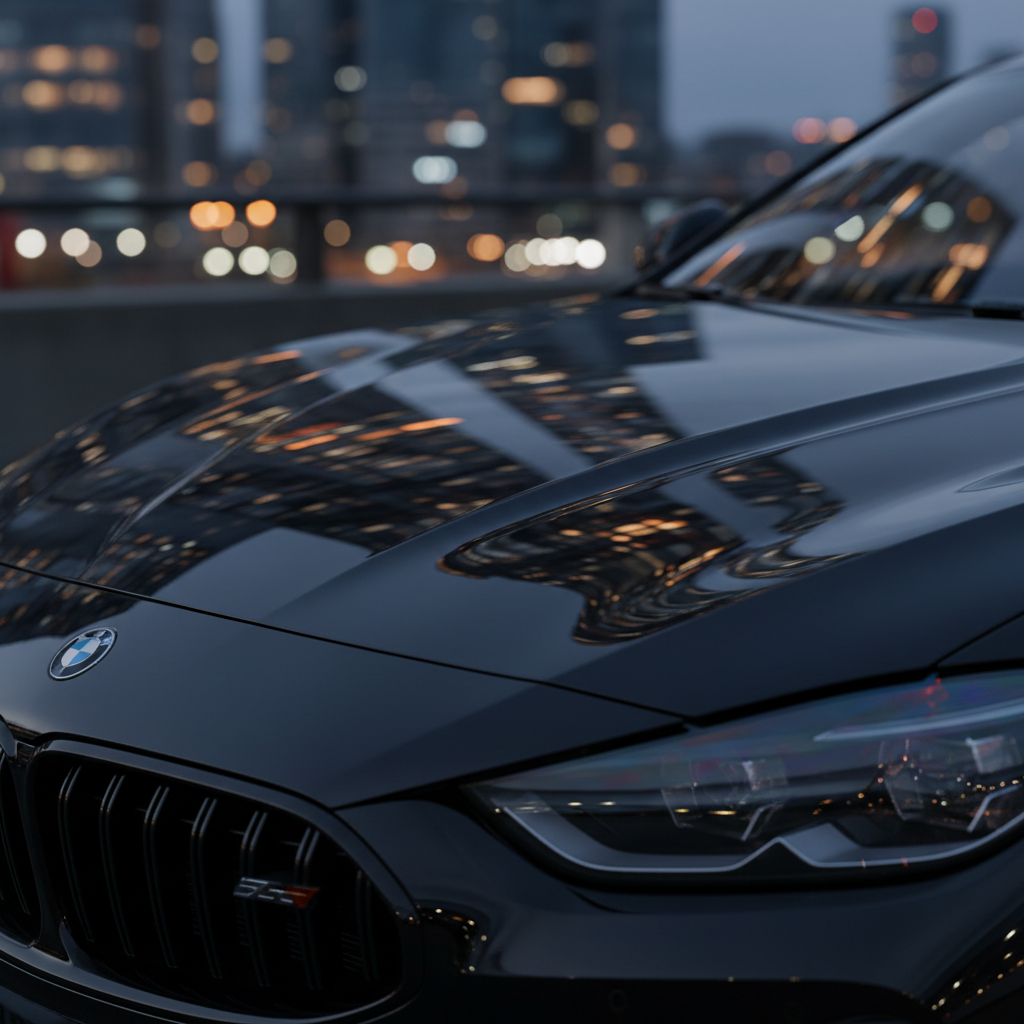
What makes black paint so hard to keep glossy
Black paint isn’t “weaker,” it’s just less forgiving. Any light scattering from fine marring shows up as gray haze, and that haze kills the depth you’re chasing.
- Swirl marks often come from washing and drying, not from driving. One gritty towel can undo a great wax job.
- Water spots can etch or stain clear coat in some situations, especially when hard water dries in heat.
- Road film (traffic grime, oils) dulls gloss fast, and black highlights it.
- UV and heat accelerate oxidation and make some waxes evaporate or soften sooner.
Wax helps by creating a sacrificial layer, so the dirt and minerals fight the wax first, not your clear coat. But durability depends on the wax chemistry and your maintenance habits.
Wax types that work best on black paint (and when to use each)
Not every “wax” behaves the same. A lot of the frustration comes from picking a product that’s great in a controlled garage, then expecting it to survive harsh outdoor routines.
Carnauba-heavy paste wax
Carnauba-rich waxes are popular for black paint because they can add a warm, deep glow that looks almost liquid under soft light. The tradeoff is that durability is often shorter than modern synthetics, especially in extreme heat or frequent washing.
Hybrid wax (carnauba + polymers)
Hybrids try to keep the “show-car” look while improving slickness and longevity. For many daily drivers, this is the sweet spot: still flattering on black, but less fragile.
Synthetic wax / paint sealant (often still sold as “wax”)
These typically prioritize longevity, water behavior, and chemical resistance. On black, they can look very sharp and glassy, though some people feel the glow is less “warm” than carnauba.
Spray wax / drying aid
Sprays are excellent for maintenance, especially on black because they add lubrication during drying, which is exactly when swirls love to happen. They’re not always a full replacement for a long-lasting base layer, but they can extend it.
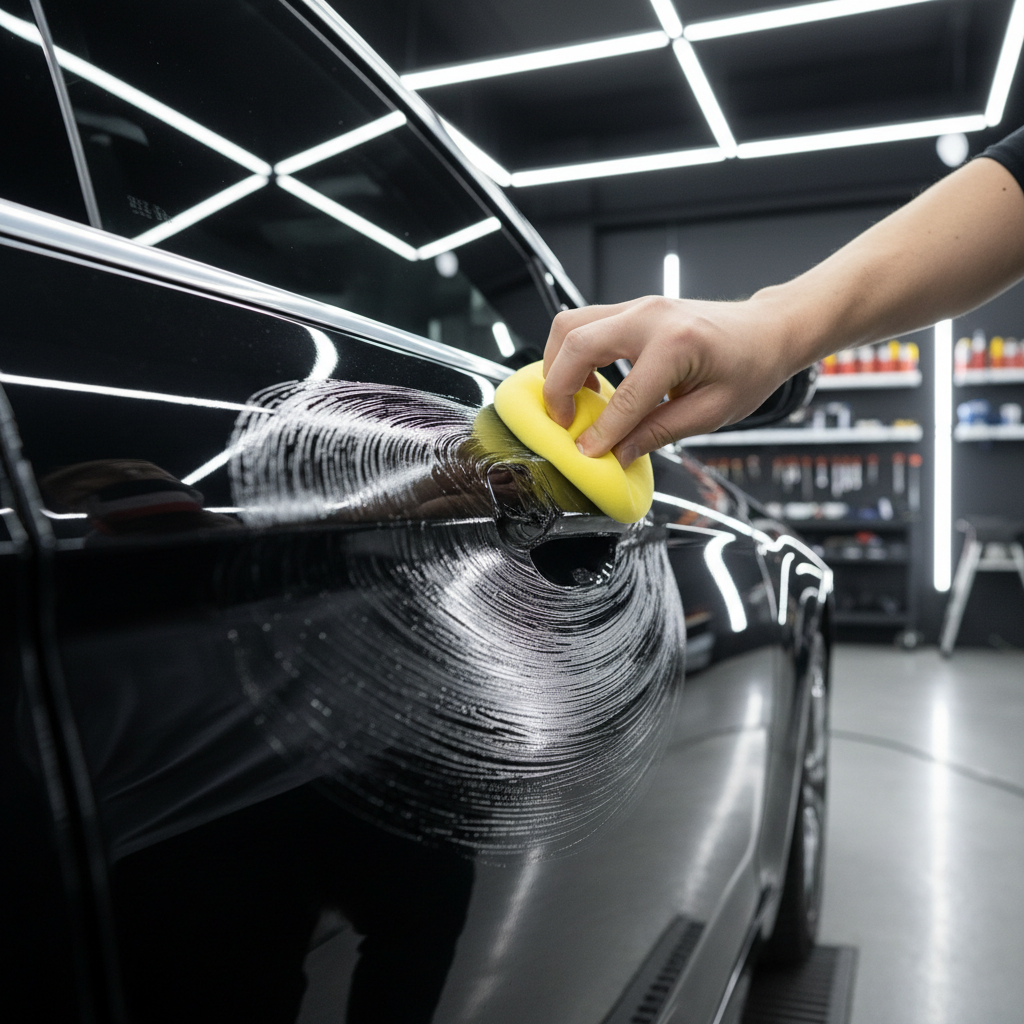
Quick decision checklist: which product style fits your situation?
If you’re stuck comparing ten similar labels, use this as a fast filter. Answer honestly, not aspirationally.
- You wash weekly and dry carefully → carnauba paste or hybrid wax can look amazing.
- You wash at coin-op or touchless often → consider a durable synthetic wax/sealant base, then maintain with a spray wax.
- Your car lives outside in sun → lean synthetic/hybrid for better heat stability and longer intervals.
- You chase “deep, wet” show gloss → carnauba-heavy paste, topped occasionally with a compatible spray booster.
- You hate reapplying → synthetic wax/sealant marketed for longevity, applied thin and cured properly.
- You already have swirls → wax will mask some, but you may want a light polish first.
According to the U.S. Environmental Protection Agency (EPA), sun and heat can accelerate wear and degradation of exterior surfaces; in practice, that’s why outdoor-parked black cars often need protection refreshed more often than garage-kept ones.
What to look for in the best car wax for black paint protection
Marketing claims are noisy, so focus on a few traits that actually show up on black paint.
- Slickness (low drag): reduces towel friction during drying, which can reduce new micro-marring.
- Easy, thin application: thick coats waste product and can cause hazing or uneven shine on dark colors.
- Clean wipe-off: if it “grabs” during buffing, you’re more likely to push grit across paint.
- Water behavior you like: tight beads look cool but can leave spots if you don’t dry; sheeting can be easier to manage.
- Compatibility: if you plan to top with a spray wax, staying within one brand line can reduce bonding surprises.
A small but real consideration: some waxes contain cleaners (light abrasives/solvents). That can be fine occasionally, but if you wax frequently on soft black clear coat, a non-cleaner “finishing wax” is often safer.
Best picks by scenario (not a one-size-fits-all list)
Instead of pretending there’s one winner, here’s a practical way to “win” based on how you drive and wash.
| Scenario | What usually works | Why it fits black paint |
|---|---|---|
| Daily driver, parked outside | Synthetic wax/sealant + spray wax maintenance | Longer durability, easier upkeep, less disappointment |
| Garage-kept, weekend cruiser | Carnauba paste wax or premium hybrid | Maximum depth and “wet” glow under softer light |
| High pollen / dusty area | Hybrid wax with good slickness | Dust releases easier, less drag while drying |
| Hard-water region | Durable base + quick drying aid after every wash | Less water lingering, fewer spot-prone residues |
| Limited time, frequent quick washes | Spray wax as primary, reapply often | Fast protection refresh, lower risk of messy haze |
Think of this as your “system,” not a single product purchase. The best car wax for black paint protection is the one you can apply correctly and maintain without turning every wash into a stressful event.
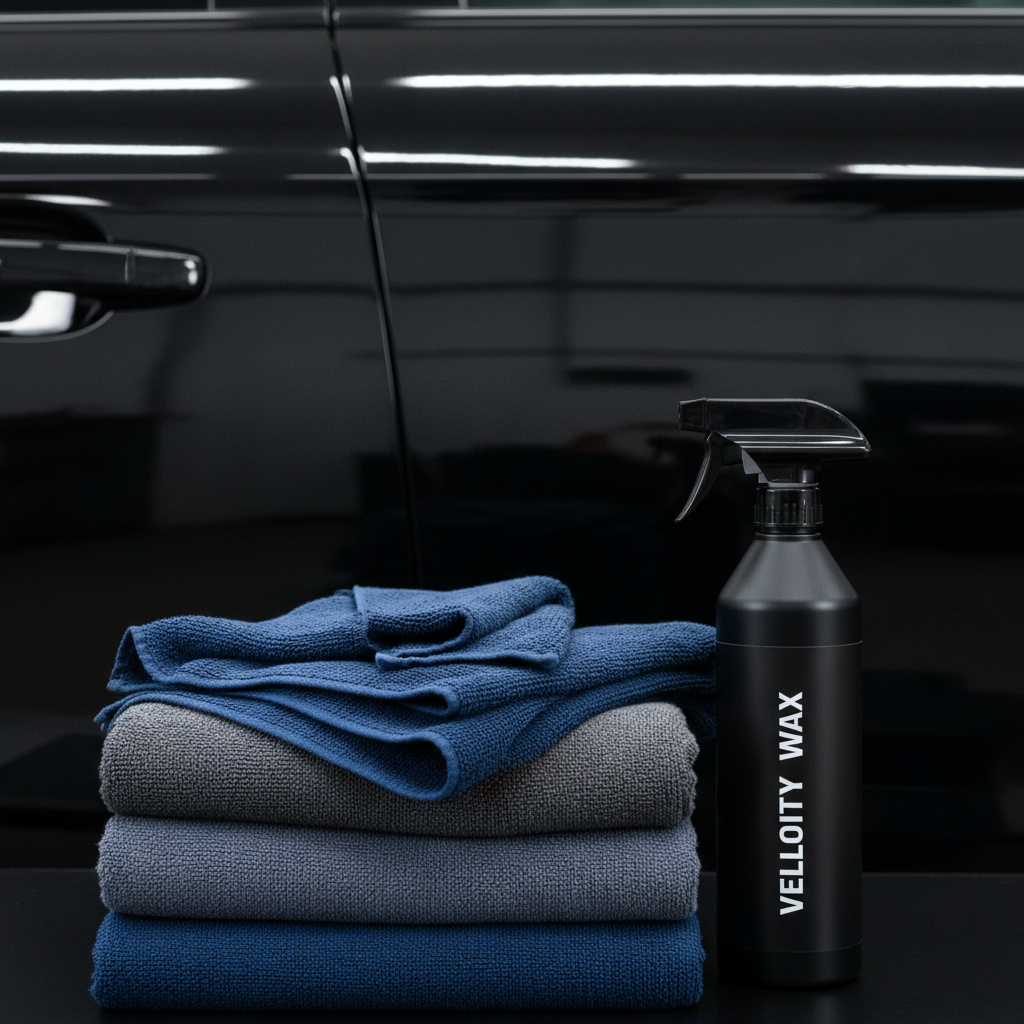
How to apply wax on black paint without creating haze or new swirls
This is where most black-paint results fall apart: too much product, rushed wipe-off, and towels that aren’t as clean as you think.
Prep (don’t skip these if you want real gloss)
- Wash with a pH-balanced shampoo, rinse thoroughly.
- Decontaminate if paint feels rough after washing, a clay mitt or clay bar can help, but use plenty of lubrication.
- If you see obvious swirls, consider a light polish before waxing, wax hides, polish fixes.
Application steps that keep black paint looking “deep”
- Work in shade on cool panels, black paint heats fast and makes wax tricky.
- Apply thin, almost invisible coats with a foam applicator.
- Let it haze based on label directions, then do a swipe test with a fingertip.
- Buff with clean, plush microfiber, flip towels often, retire any towel that hits the ground.
- Optional: a second coat after proper cure time if the product supports layering.
Key point: if you’re fighting smears, the issue is usually excess product or too-warm paint, not that you need “more buffing.” More buffing is how black paint collects more micro-marring.
Maintenance: keep protection strong between major details
The fastest way to lose black-paint shine is to wash aggressively on a schedule, and then dry casually. Maintenance is where your “protection” either becomes real or becomes a label.
- Use a drying aid or spray wax every wash if you can, it adds lubrication and restores slickness.
- Prefer the two-bucket method or at least multiple clean mitts if you wash at home.
- Dry gently, blot or glide with minimal pressure, especially on horizontal panels.
- Spot management: if you get water spots, address them early; if they persist, a dedicated water-spot remover may help, but test in an inconspicuous area.
According to the International Carwash Association (ICA), proper washing technique helps reduce the chance of surface scratching; for black paint, that’s not a “nice to have,” it’s the difference between glossy and gray.
Common mistakes (and what to do instead)
- Using one towel for everything → keep separate towels for paint, wheels, and door jambs.
- Waxing over embedded contamination → decon first, otherwise you seal in roughness and dullness.
- Chasing durability with thick coats → thin coats bond and wipe better, thick coats often haze.
- Assuming wax removes swirls → it can mask lightly, but correction needs polishing.
- Mixing random products → stacking different chemistries can work, but if you see streaking, simplify your system.
When you should consider professional help
If black paint looks permanently hazy or “spider-webbed” under sun, wax alone won’t deliver the finish you’re imagining. A detailer can measure paint, choose a safe polish and pad combo, and correct the clear coat without over-thinning it.
If you suspect etching from water spots, bird droppings, or chemicals, proceed carefully. Some defects need polishing, and in worse cases may require body shop refinishing, so it can be worth asking a reputable professional rather than experimenting aggressively at home.
Conclusion: what to buy and what to do next
If your priority is easy ownership, pick a durable synthetic or hybrid base and maintain it with a spray wax after washes, that combo tends to deliver the most consistent results for black cars. If your priority is maximum show gloss and you enjoy the process, a carnauba-heavy wax can still look special, just accept the shorter refresh cycle.
Two simple next steps: choose one wax system you can repeat reliably, then upgrade your wash and drying tools so you stop reintroducing swirls. That’s how the best car wax for black paint protection becomes a finish you can actually keep.
FAQ
What is the best car wax for black paint protection if my car stays outside?
In many cases, a synthetic wax or hybrid wax holds up better outdoors, then a spray wax after each wash keeps slickness and reduces drying friction, which matters a lot on black paint.
Does carnauba wax make black paint look deeper than synthetic wax?
Often, yes, carnauba can add a warmer “wet” glow, especially under softer lighting. Synthetic options can look very glassy and sharp, so it comes down to the look you prefer and how often you want to reapply.
How often should I wax a black car?
It depends on the product type and your washing routine. Many drivers reapply a traditional wax every 4–8 weeks, while some synthetics can go longer, and spray waxes are commonly used every wash or every few washes.
Can wax remove swirl marks on black paint?
Wax generally doesn’t remove swirls, it can hide very light ones temporarily by filling. If swirls are obvious in sun, a light polish is usually the step that changes the look.
Is spray wax enough for black paint protection?
It can be enough for light-duty protection if you reapply frequently, but many people get better consistency using spray wax as maintenance on top of a more durable base layer.
What’s the safest way to dry a black car after washing?
Use clean, plush microfiber towels and light pressure, and consider a drying aid for lubrication. If you see any grit, stop and re-rinse, dragging grit across black paint is how new swirls start.
Why does my black car look streaky after waxing?
Common causes include applying too much wax, working on warm paint, or using a towel with product buildup. Try a thinner coat next time, cool the panel, and switch to fresh microfibers.