
Best car seat cushions for office chair shopping usually starts after a familiar pattern: your chair looks fine, but your lower back feels “compressed” by mid-afternoon, and shifting around stops working. The right cushion can change how your pelvis sits, how your spine stacks, and how long you can focus without that nagging ache.
That said, not every “car seat” cushion behaves well on an office chair. Some are built for bucket seats and end up pitching you forward at a desk, others are too squishy and make posture worse, and some simply raise you so high your shoulders creep up.
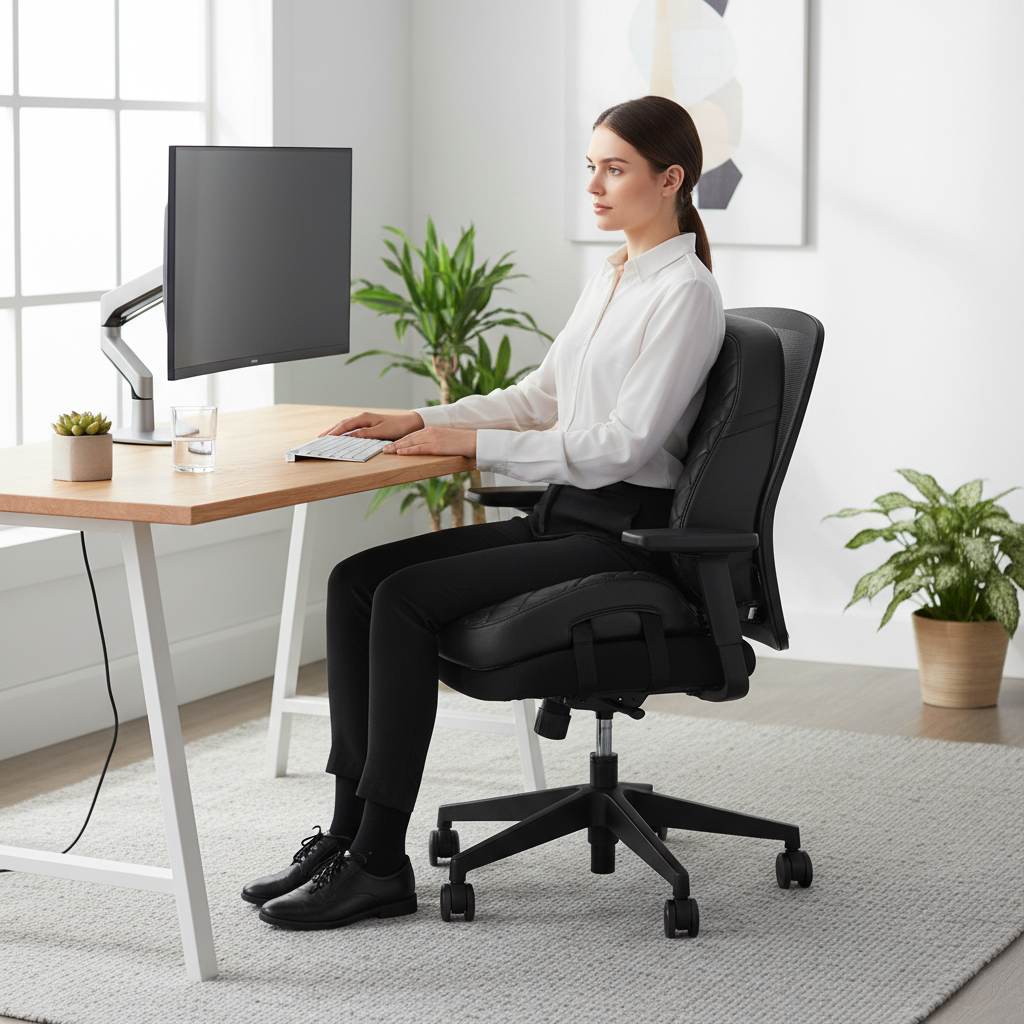
This guide helps you pick a cushion that actually fits office use: what to look for, what to avoid, and how to set it up so it supports your back instead of creating a new problem. I’ll also include a quick comparison table and a practical checklist.
What “back support” really means in a seat cushion
Most back discomfort at a desk is less about your spine needing “more padding” and more about pelvic position. When your pelvis rolls backward, your low back tends to round, your head drifts forward, and muscles work overtime to hold you up.
A seat cushion can help in three main ways:
- Redistribute pressure under your sitting bones so you stop slumping to escape discomfort.
- Improve pelvic alignment using a subtle contour or wedge so your low back keeps a more neutral curve.
- Stabilize your base so you aren’t constantly micro-adjusting, which is tiring over a full workday.
According to OSHA, neutral posture and proper workstation setup help reduce strain during computer work. A cushion is a tool, but it works best when the rest of the setup doesn’t fight it.
Quick comparison: which cushion style fits an office chair best?
Car seat cushions come in a few common designs. Here’s how they typically translate to desk chairs. (Brands vary a lot, so treat this as a “shape guide,” not a guarantee.)
| Type | How it feels | Good for | Watch-outs |
|---|---|---|---|
| Contoured memory foam (U-cut coccyx) | Cradles hips, reduces tailbone pressure | Tailbone sensitivity, long sitting | Can raise seat height; softness varies |
| Gel + foam hybrid | Cooler feel, slightly springy | People who overheat, moderate support | Gel layers can “bottom out” over time |
| Wedge cushion | Tilts pelvis forward | Slumping, tight hips | Too steep can stress knees/hamstrings |
| Inflatable air cushion | Adjustable, dynamic | Fine-tuning height/firmness | Can feel unstable for typing |
| Extra-thick “car booster” style | Very plush, high rise | Shorter users needing height | Often too tall for desk ergonomics |
Why some car seat cushions feel great in a car but wrong at a desk
If you’ve tried one already and it felt “off,” you’re not imagining it. Office chairs and car seats support your body differently.
- Seat angle mismatch: Cars often have a slightly reclined posture; many desk setups need a more upright stack. A cushion that’s perfect for driving can push your hips into a position that makes typing feel awkward.
- Desk height becomes the limiter: Raise your body even one inch and your elbows might sit too low, which can lead to shoulder tension.
- Backrest contact changes: Some cushions push you forward so you lose lumbar support from your chair, and your low back ends up working harder.
- Material behavior differs over time: Very soft foam may feel amazing for 20 minutes, then you sink and slump by hour two.
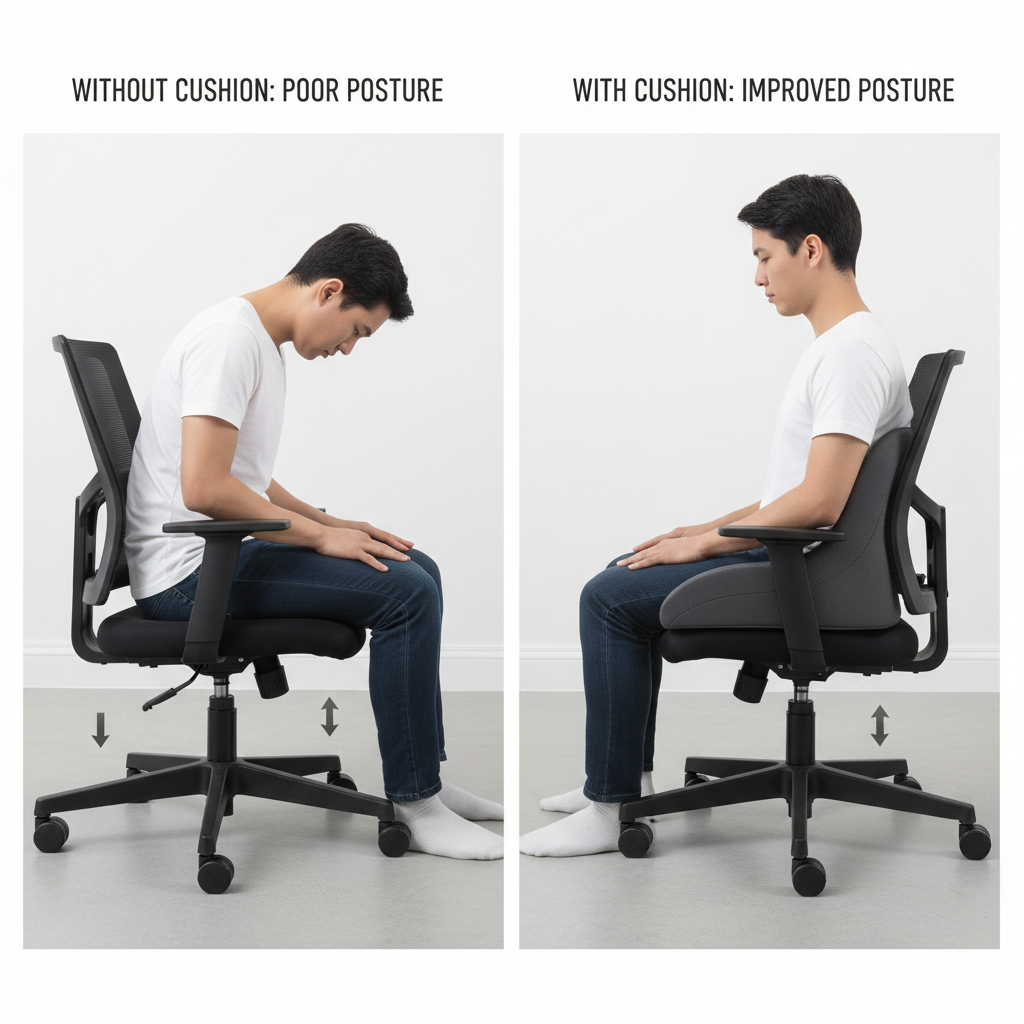
This is why “best car seat cushions for office chair” is really about finding a cushion that plays nicely with desk ergonomics, not just comfort in isolation.
Self-check: are you a good candidate for a seat cushion?
Before buying anything, do a quick reality check. If you match several of these, a cushion often helps.
- You feel pressure on your tailbone or sitting bones after 30–60 minutes.
- You catch yourself sliding forward or tucking your feet under the chair.
- Your chair feels “hard” even after adjusting tilt and height.
- You do fine standing and walking, but sitting triggers discomfort.
- You need a small height boost to get your eyes level with your monitor.
On the other hand, a cushion may not be the first fix if:
- Your pain shoots down a leg, includes numbness/tingling, or worsens quickly.
- Your chair has a broken seat pan or severely worn-out foam; you may be patching a hardware problem.
- Your desk is too high and you already feel shoulder/neck tension; adding height can make that worse.
How to choose the best car seat cushions for office chair use
Here’s what tends to matter more than brand names.
1) Firmness that holds up past the first hour
Look for foam that doesn’t collapse into a pancake. A common mistake is choosing the softest cushion because it feels “luxury” at first touch. For desk work, support beats softness most days.
2) Thickness that won’t wreck your workstation height
Many people do best with about 2–3 inches of effective lift, but your body and desk height matter. If your feet can’t stay flat, or your elbows drop below the desk, you’ll feel it in your hips and shoulders.
3) A shape that matches your main problem
- Tailbone pressure: contoured cushion with a coccyx cut-out often helps.
- Slumping and rounded low back: mild wedge or contour that supports the sitting bones.
- Heat buildup: breathable cover, vented foam, or gel layer.
4) Non-slip base and a cover you’ll actually wash
If it slides, you’ll stop using it. If it smells or traps heat, you’ll stop using it. A grippy bottom and removable cover sound boring, but they’re the difference between “daily driver” and “closet item.”
Setup steps: make the cushion work with your chair (not against it)
This part is where most “it didn’t help” stories come from. Try this sequence and give it a few work sessions to judge.
- Step 1: Reset chair height. Sit on the cushion, then adjust until feet are flat and knees are roughly level with hips, or slightly lower depending on comfort.
- Step 2: Re-check arm position. Elbows should rest near desk height without shrugging. If the desk is fixed and now feels too high, consider lowering chair and adding a footrest.
- Step 3: Restore backrest contact. Scoot back so your low back can use the chair’s lumbar support. If the cushion pushes you forward, a thinner cushion may work better.
- Step 4: Place the cut-out correctly. For coccyx designs, the opening supports your tailbone by taking pressure off it, but if you sit too far forward the contour won’t match your anatomy.
- Step 5: Give it a fair trial. Foam breaks in a bit, and your posture habits take time to change. If discomfort increases, stop and reassess.
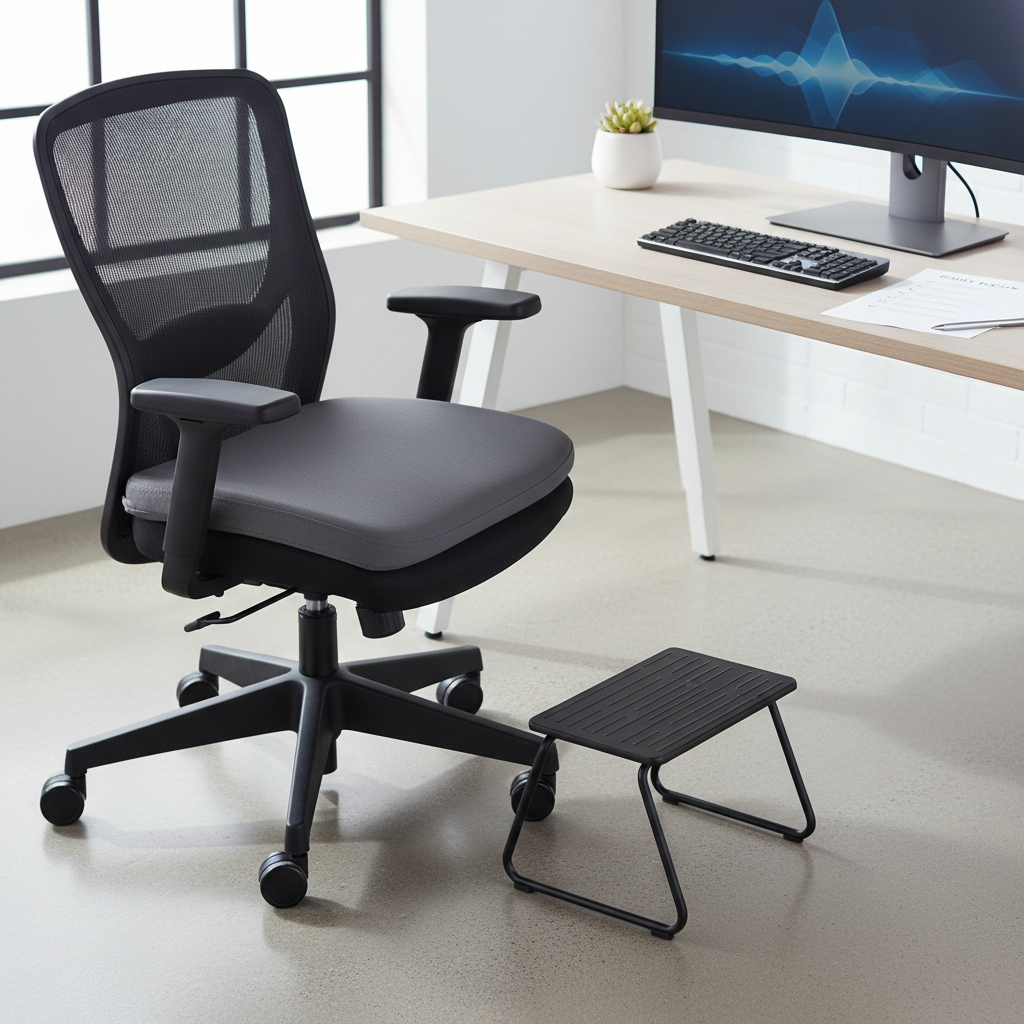
Key takeaway: the cushion is only half the equation, the other half is seat height and where your back meets the chair.
Common mistakes (and what to do instead)
- Mistake: buying the thickest cushion for “more support.”
Try: start moderate thickness, then add a footrest or adjust desk setup if you truly need extra height. - Mistake: using a cushion to fix a missing lumbar curve.
Try: pair the seat cushion with proper lumbar support, or adjust the chair’s lumbar depth/height if available. - Mistake: sitting on the front edge all day.
Try: scoot back, keep hips back in the seat so the backrest can do its job. - Mistake: ignoring hip tightness and breaks.
Try: stand for 1–2 minutes every so often, even if the cushion helps; prolonged static posture often irritates tissues.
According to the CDC, breaking up long periods of sitting can support overall health. It’s not a magic cure for back discomfort, but in practice it often makes cushions work better because your body gets resets.
When to consider professional help
If you’re dealing with persistent or worsening pain, a cushion may be a band-aid. Consider talking to a qualified clinician (such as a physical therapist) if you notice leg symptoms, weakness, nighttime pain, or pain after a fall. In many cases, a professional can help you identify whether the issue is posture, mobility, nerve irritation, or something else entirely.
If your workplace offers ergonomic assessments, that can also be a practical next step, especially when desk height, monitor position, and chair adjustments are part of the problem.
Conclusion: picking a cushion that helps your workday, not just your commute
The best results usually come from choosing a cushion with the right shape and firmness for your body, then adjusting your chair height and backrest contact so your posture has a chance to normalize. If you want one simple move today, start by checking whether your cushion makes you lose lumbar support, that’s the fastest way to spot a mismatch.
If you’re evaluating options now, narrow it to two styles that match your main complaint, then test them with your full workstation setup, not just a quick sit on the couch.
FAQ
- What are the best car seat cushions for office chair comfort if I sit 8+ hours?
Most people do well with a contoured foam cushion that stays firm over time, plus a washable cover. For very long days, breathability matters more than you’d expect. - Will a coccyx cut-out cushion help lower back pain?
It can help when tailbone pressure triggers slumping, but it’s not a guarantee. If your low back pain comes from poor lumbar support or a too-high desk, you may need setup changes too. - Is a wedge cushion better than memory foam for posture?
A mild wedge can encourage a more neutral pelvis for some bodies, but too much tilt can feel harsh on knees or hamstrings. If you already feel “pulled forward,” a contoured cushion may be safer. - How thick should a seat cushion be for an office chair?
Thicker isn’t always better. Choose a thickness that still lets you keep feet flat and elbows near desk height; otherwise you’ll trade back comfort for shoulder strain. - Why does my seat cushion make my back hurt more?
Common causes include sinking foam, sitting too far forward, or losing contact with the chair’s lumbar area. Try resetting chair height and scooting back; if symptoms persist, stop using it and reassess. - Do gel seat cushions actually stay cool?
They often feel cooler at first touch, but “cool all day” varies by room temperature, clothing, and airflow. A breathable cover and regular standing breaks usually help more than gel alone. - Can I use a car seat cushion on a mesh office chair?
Usually yes, but check for sliding. Mesh seats sometimes reduce friction, so a non-slip bottom or strap matters if you don’t want constant readjustment.
If you’re trying to make a standard desk chair tolerable without replacing it, a well-chosen cushion can be the simplest upgrade, especially when you pair it with a quick workstation height check and a basic sit-stand routine.