
The best car floor mats rubber heavy duty choices usually come down to three things you can feel right away: how well they fit your exact vehicle, how much mess they actually trap, and whether they stay put when you get in and out.
If you have kids, pets, work boots, snow, beach sand, or you just hate vacuuming carpet, heavy-duty rubber mats are one of those upgrades that quietly saves time and resale value. The annoying part is that “heavy duty” gets used on almost everything, even thin, slippery mats that curl at the edges.
This guide helps you sort the real contenders from the “looks tough in photos” options, using practical checks you can do before buying and on day one after install.
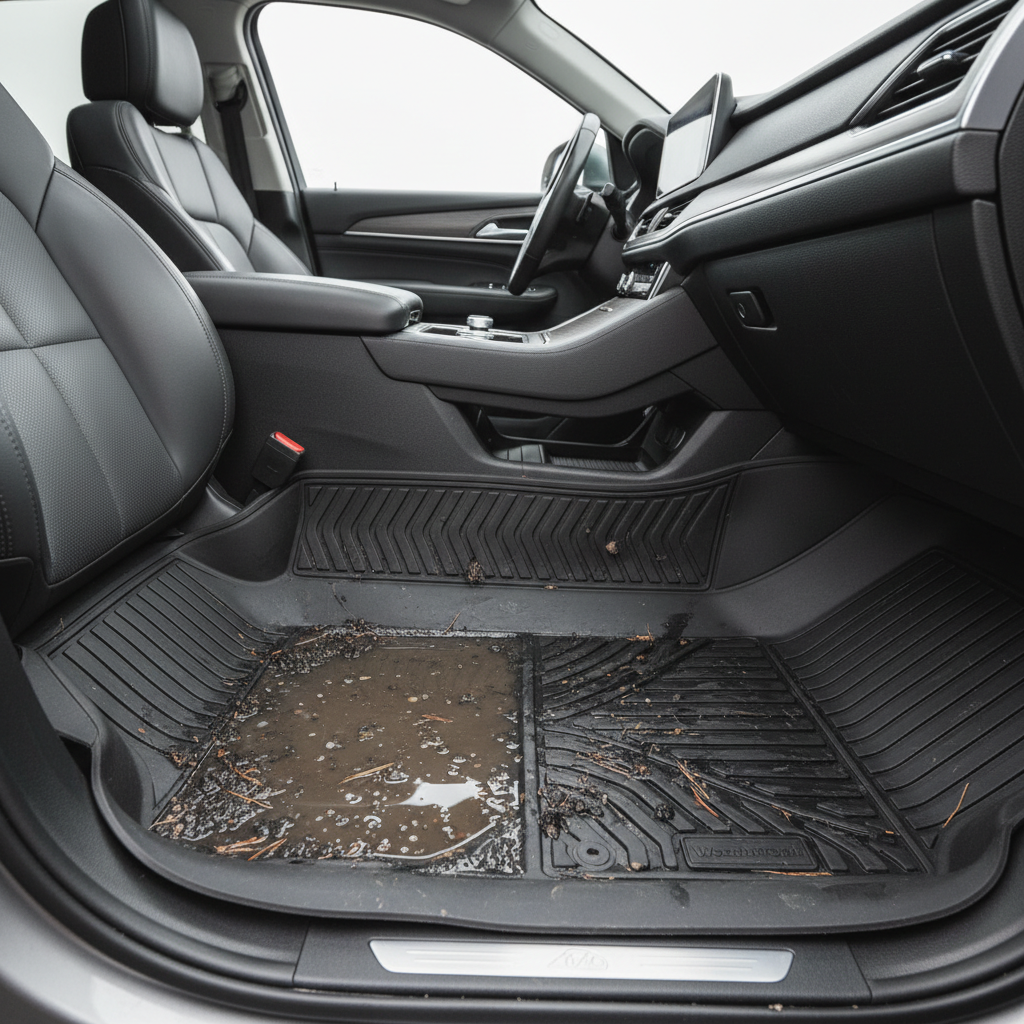
What “heavy duty rubber” really means (and what it doesn’t)
In car mats, “heavy duty” is more about material behavior than weight alone. You want rubber or rubber-like elastomers that stay flexible in cold, resist cracking, and keep grip underfoot.
It also does not automatically mean “covers everything.” Many thick mats still leave gaps near the dead pedal, seat rails, or along the door sill where slush and grit sneak onto carpet.
- Rubber vs. TPE: Many premium mats use TPE (thermoplastic elastomer). It can perform like rubber, often with less odor, but quality varies by brand and formulation.
- Ridges and channels: Deep grooves matter because they hold water and sand in place, instead of letting it migrate under your shoes.
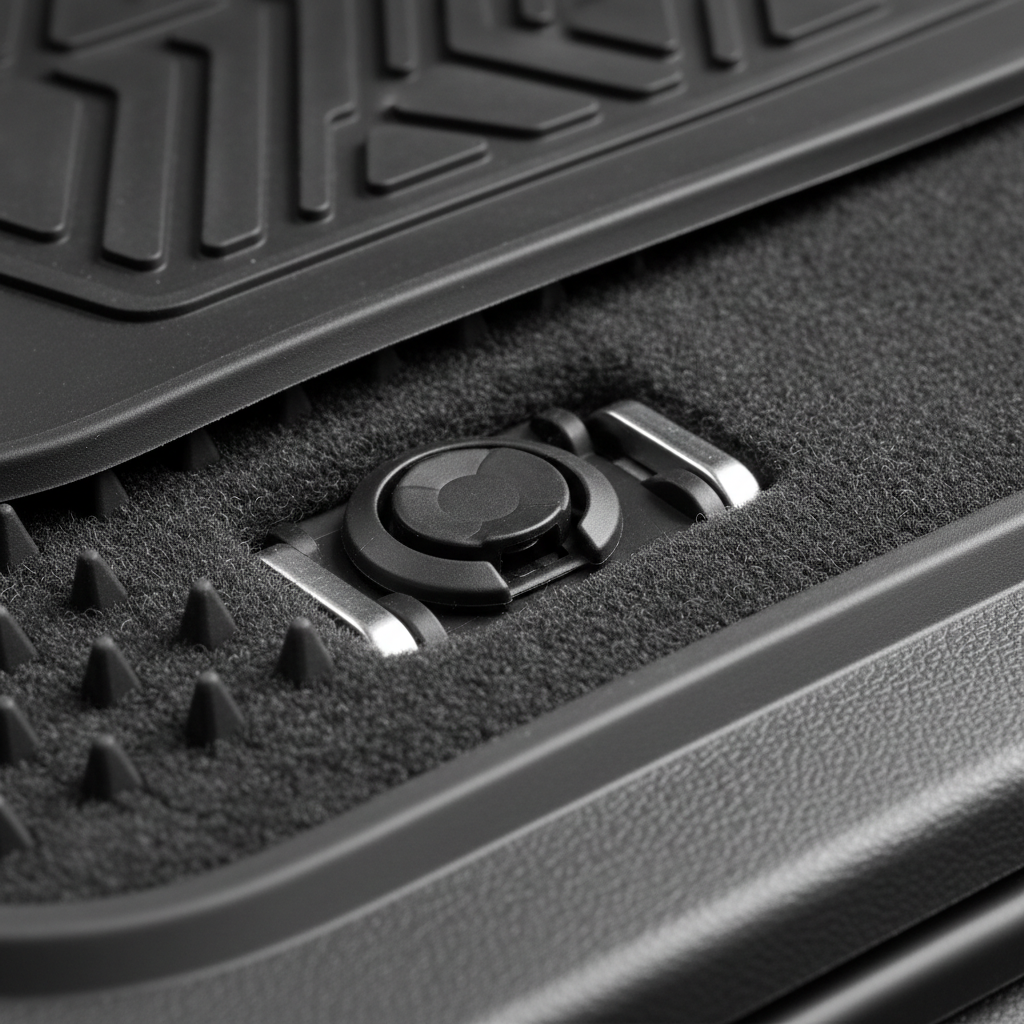
- Retention system: Factory hooks, nibs, or anti-slip backing prevent mats from sliding toward pedals, which is a safety concern.
According to NHTSA, unsecured or incompatible floor mats can contribute to pedal interference, so fit and retention are not “nice to have,” they are part of the safety picture.
Quick self-check: which mat type fits your life?
Before comparing brands, get honest about what you’re protecting against. The best car floor mats rubber heavy duty pick for a skier in Minnesota can be different from a contractor in Arizona.
- Snow + road salt: Prioritize tall sidewalls and deep reservoirs to hold slush without overflow.
- Mud + clay: Look for aggressive tread patterns and easy hose-off surfaces.
- Beach sand: Choose tighter channels that trap fine grit without letting it roll around.
- Pets: Consider rear coverage and a cargo liner; claws and shedding change the mess profile.
- Ride-share or frequent passengers: Durable heel pads and edge coverage reduce visible wear.
If your main issue is occasional spills, a mid-depth all-weather mat may be enough. If you deal with wet boots weekly, go with higher walls even if the look is more utilitarian.
The buying criteria that actually matter (use this before you click “Add to Cart”)
Specs can be vague, so use these practical filters. They prevent most buyer’s remorse.
1) Fit: vehicle-specific vs. “trim-to-fit”
Vehicle-specific mats usually win on coverage and safety. Trim-to-fit can work, but only if you’re patient and the mat still locks into the factory retention points after trimming.
2) Sidewalls and spill containment
Sidewalls help, but the seal at the edges matters more. Some mats have tall edges that still leave a gap near the door-side carpet.
3) Underfoot traction and heel wear
Check for a textured top surface plus a reinforced heel pad. Smooth rubber can feel premium, then become slippery when wet.
4) Odor and off-gassing expectations
Some rubber compounds smell stronger out of the box. It often fades after airing out, but if you’re sensitive, look for brands that emphasize low-odor materials and give them a day or two to vent before judging.
5) Cleaning effort
Deep channels trap more, which is the point, but they can take longer to rinse. If you value fast cleanup, medium-depth patterns with good drainage paths can be the sweet spot.
Comparison table: how to choose the right “best” for you
There isn’t one universal winner, so here’s a quick way to match features to your use case.
| Need / Scenario | What to prioritize | What to watch out for |
|---|---|---|
| Snow, slush, salt (winter states) | High sidewalls, deep reservoir, full dead-pedal coverage | Edges that warp and let meltwater leak onto carpet |
| Work boots, mud, job sites | Thicker material, aggressive channels, easy hose-off | Too-soft mats that fold, bunch up, or trap rocks awkwardly |
| Family car, snacks, spills | Moderate sidewalls, stain resistance, rear-row coverage | Overly deep grooves that are annoying to scrub clean |
| Pet hauling, outdoor gear | Rear and cargo liners, scratch resistance, easy wipe-down | Only buying front mats and leaving the cargo area unprotected |
| Budget-focused daily commuting | Secure retention, decent coverage, no slide | “Universal” mats that interfere with pedals or creep forward |
Installation and day-one checks (this is where most problems show up)
Even the best car floor mats rubber heavy duty option can feel wrong if it’s installed loosely or sitting on top of another mat.
- Remove old mats before installing new ones, stacking mats can cause sliding and pedal issues.
- Lock retention points into factory hooks or posts, then tug the mat to confirm it doesn’t move.
- Check pedal clearance with the engine off: press gas and brake fully, confirm nothing catches.
- Inspect the dead pedal area, especially on SUVs and trucks where snowmelt loves to run.
- Let mats relax if shipped rolled or folded, many flatten out after warming up inside the car.
If a mat refuses to lie flat after a couple warm days, that’s usually not you, it’s the material or the mold.
Care and cleaning: keep them grippy and not gross
Rubber mats look “forever” until they get coated in road film, then they turn dull and sometimes slick. A simple routine keeps traction consistent.
- Weekly shake-out: Tap out grit so it doesn’t grind into grooves.
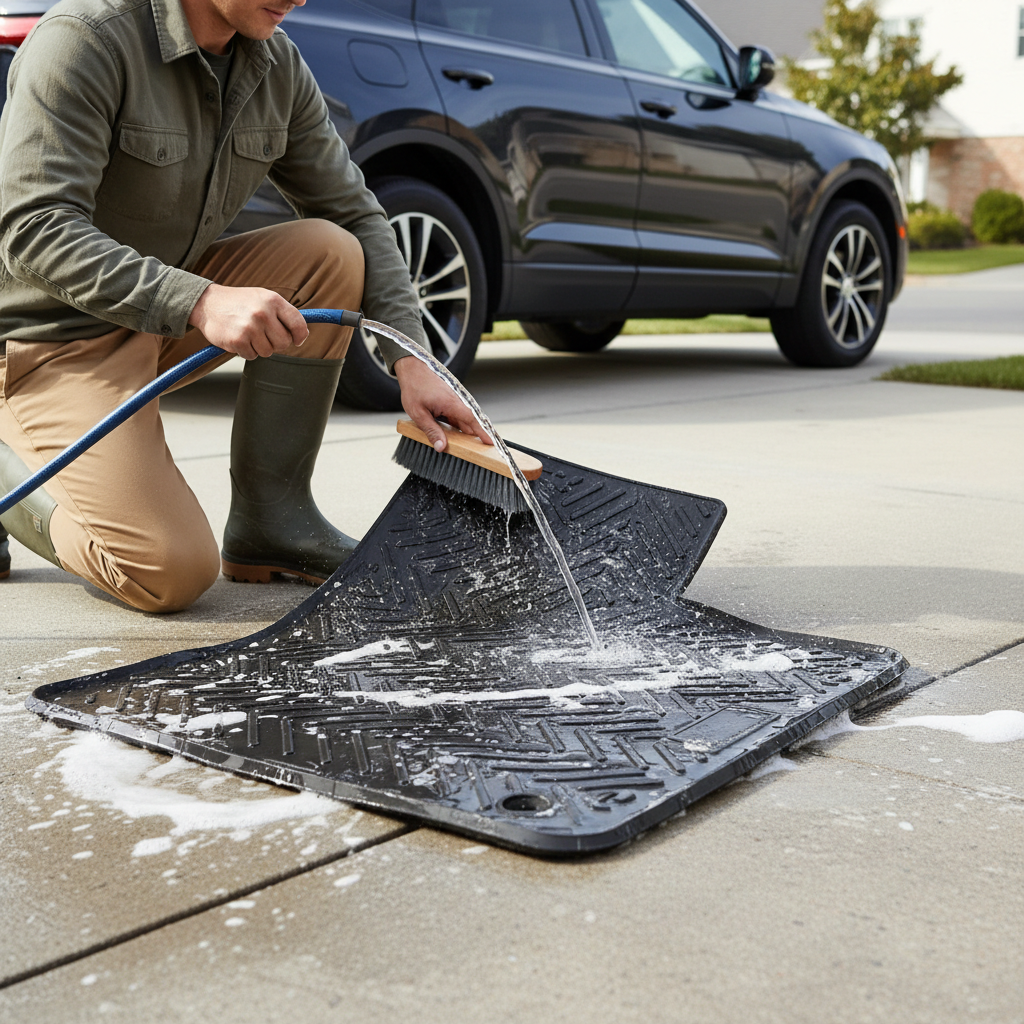
- Rinse first, scrub second: Hose or rinse to remove loose debris, then use mild soap with a soft brush.
- Avoid greasy dressings: Shiny tire-style products can make the surface slippery under wet shoes.
- Dry before reinstall: Trapped moisture under the mat can create odor over time.
According to EPA, keeping vehicle interiors clean can help reduce dust and particulate buildup; it’s not a medical claim, just a practical reminder that grime accumulates fast in footwells.
Common mistakes that waste money (or create safety issues)
A lot of frustration comes from a few repeat patterns, not from “bad mats” in general.
- Buying universal when you need coverage: If you constantly track in water, gaps matter more than thickness.
- Ignoring retention: If the mat can slide, it’s not just annoying, it can be risky around pedals.
- Over-focusing on thickness: A thick mat with shallow grooves may overflow faster than a slightly thinner design with smart channels.
- Using harsh chemicals: Strong solvents can dry out some materials and shorten lifespan.
- Skipping the rear row: If you have kids or passengers, rear mats often take the worst abuse.
Conclusion: what to buy when you want fewer regrets
If you want a confident pick, aim for vehicle-specific coverage, solid retention hardware, and channels that match your mess type. That combo tends to separate “looks rugged” from truly protective.
Key takeaways: prioritize fit and pedal safety, then choose sidewall height based on how often you deal with wet boots or slush, and keep cleaning simple so traction stays predictable.
If you’re shopping today, measure your pain point first, then use the checklist above to filter options fast. You’ll end up with heavy-duty mats that feel boring in the best way: they just work.