
Best car microfiber towels for scratch free drying come down to a few non-negotiables: the right weave for water absorption, enough pile to keep grit away from paint, and clean edges that won’t drag across your finish.
If you’ve ever dried a freshly washed car and still ended up with faint swirls or “mystery” scratches, you’re not alone. Drying is one of the easiest moments to accidentally grind leftover dust into clear coat, especially on dark paint.
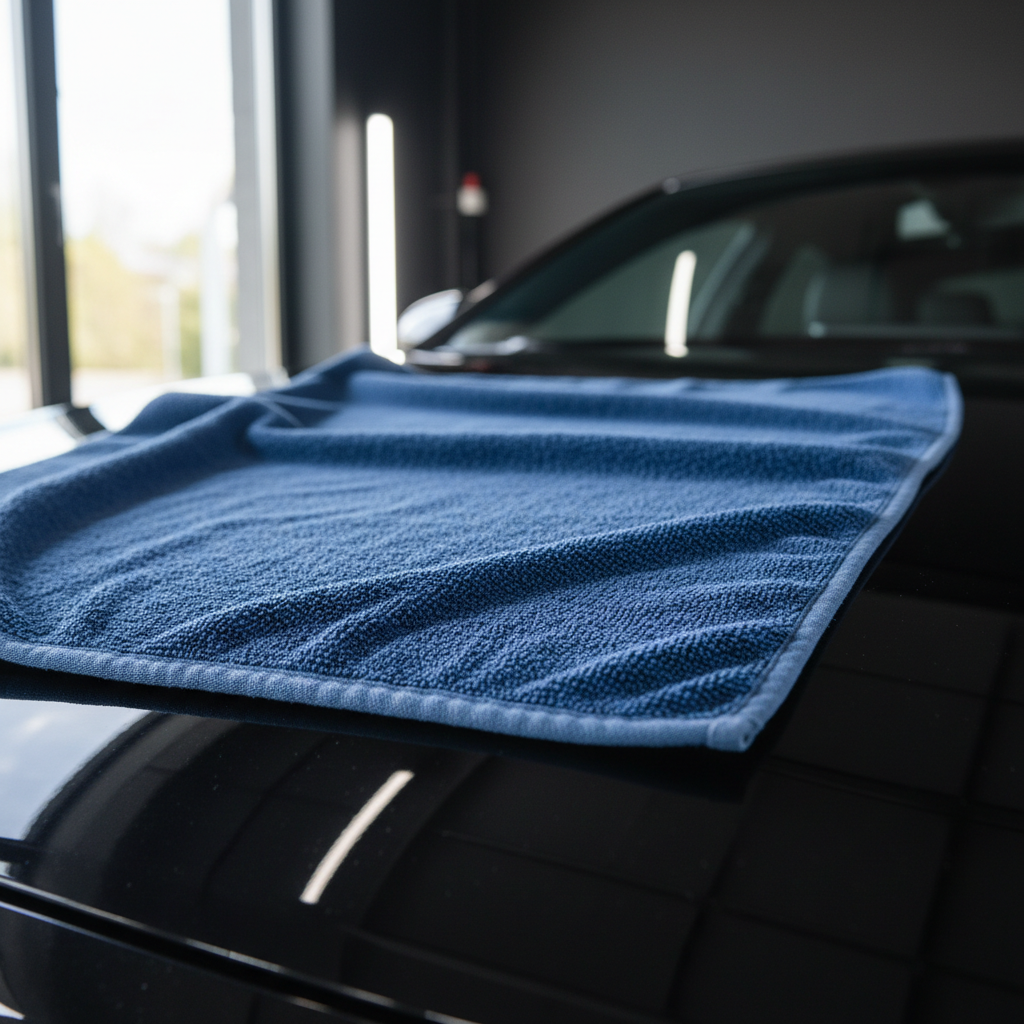
This guide helps you choose towels that are more forgiving in real-world conditions, where paint is never perfectly clean and your hands are never perfectly steady. You’ll also get a quick self-check, a comparison table, and a simple drying workflow that reduces risk without turning the job into a science project.
What “scratch-free drying” really means (and what it doesn’t)
“Scratch-free” is a goal, not a guarantee. Any towel can mark paint if it’s contaminated, used with pressure, or paired with poor washing habits. The point of a good microfiber drying towel is to reduce friction and trap remaining particles in the towel’s pile instead of dragging them across clear coat.
According to the International Detailing Association (IDA), safe wash and dry technique focuses on minimizing contact pressure and limiting reintroduction of dirt to the paint surface. That same logic applies here: better towels help, but technique and cleanliness matter just as much.
Why towels cause swirls: the common real-world culprits
- Low pile + pressure: Flat “glass towels” or cheap multipurpose microfiber can push debris across paint.
- Bad edges: Stiff tags, sharp stitched seams, or rough borders can create micro-marring on softer clears.
- Fabric contamination: A towel that touched wheels, door jambs, or the ground is risky even if it “looks clean.”
- Overloading: Once saturated, towels start smearing and require more passes, which increases contact and friction.
- Drying a not-quite-clean car: If the wash step left film or particles, drying exposes that mistake fast.
One uncomfortable truth: many “drying scratches” are really wash scratches that reveal themselves under the towel. That’s why a safer drying towel is the one that buys you a little margin when conditions aren’t perfect.
Quick self-check: which towel type fits your situation?
Use this as a fast filter before you buy anything:
- Dark paint, soft clear coat, garage-kept: prioritize plush pile and very soft edges.
- Large SUV/truck: prioritize high absorption (twist-loop) so you don’t need 5 towels.
- Weekly maintenance washes: twist-loop or plush waffle works well, because contamination risk is lower.
- Coin-op wash or dusty environment: go thicker/plusher and consider a drying aid to add lubrication.
- You hate laundry “rules”: pick towels that are durable and lint-resistant, but still paint-safe.
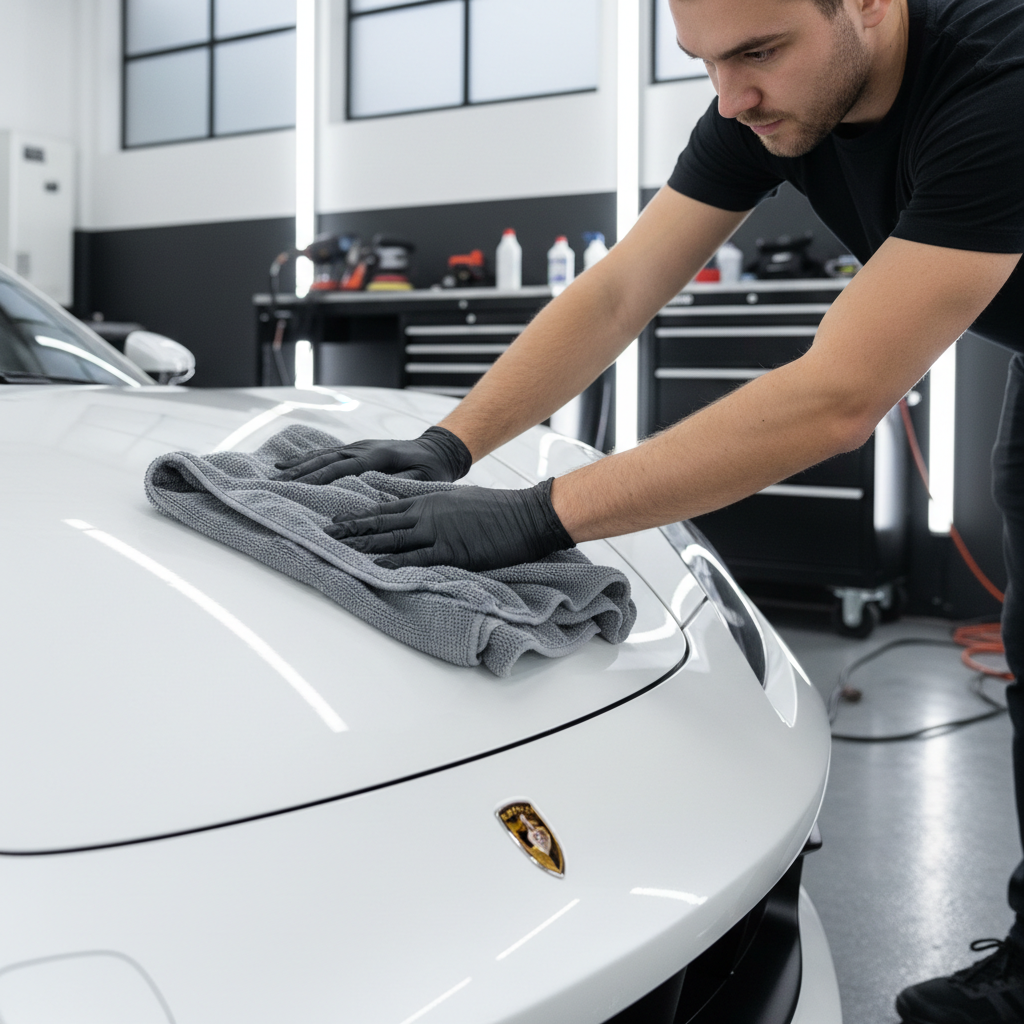
If you’re unsure, start with a quality twist-loop drying towel plus one plush “finishing” towel for final touch-ups. That combo covers most drivers in the US without overbuying.
How to choose the best microfiber towel: GSM, weave, blend, and edges
GSM (thickness) without getting trapped by the number
GSM is fabric weight. Higher GSM often means thicker and more plush, but it doesn’t automatically mean safer. For drying, many people land in two sweet spots:
- Twist-loop drying towels: often medium-to-high GSM, but the loop structure is what delivers absorption.
- Plush pile towels: typically higher GSM, useful for gentle final passes and spot drying.
If a towel is extremely thick but has rough edging or poor fiber quality, it can still mar paint.
Weave types that matter for drying
- Twist-loop: high absorption, great for big panels, usually lower drag, popular for “one towel” drying.
- Waffle weave: decent absorption, tends to glide well, can be less forgiving if you press hard.
- Plush/dual-pile: not always the fastest at bulk drying, but excellent for finishing and delicate paint.
Blend (polyester/polyamide) in plain English
Many high-quality microfiber towels use a polyester/polyamide blend. More polyamide often feels softer and can help with absorbency, but manufacturing quality varies. If the towel feels grabby, stiff, or “scratchy” on your skin, don’t expect it to behave better on clear coat.
Edges: the underrated difference-maker
Look for silk/satin binding, soft microfiber edging, or edgeless ultrasonic cut. And remove tags or buy tagless if possible. Edges are where a lot of “I did everything right” marring starts.
Comparison table: towel styles for safer drying
Here’s a practical way to think about options when shopping for the best car microfiber towels for scratch free drying.
| Towel style | Best for | Strength | Watch-outs |
|---|---|---|---|
| Twist-loop drying towel | Fast full-car drying | Very high absorption, fewer passes | Needs proper washing to stay soft; saturated towel can smear |
| Waffle weave drying towel | Controlled drying on smaller cars | Glides well, good for glass + paint (if dedicated) | Less plush, can mar if debris remains and you press |
| Plush dual-pile towel | Final touch, water spot chasing | Very gentle, traps dust in pile | Not always efficient for bulk water; can lint if low quality |
| Edgeless microfiber towel | Sensitive paint and tight areas | Less edge risk, good for finishing | Absorption varies; some are better for buffing than drying |
Real-world drying process that reduces scratches (step-by-step)
This is the workflow that usually gives the biggest improvement without buying a dozen towels.
1) Start with a final rinse that leaves less water behind
If your setup allows, use a gentle “sheeting” rinse: open hose flow (no high-pressure spray) and let water run off panels. It won’t replace drying, but it reduces how much the towel must absorb.
2) Blot, don’t scrub
On horizontal panels, lay the towel flat, let it drink, then lift. On doors and fenders, use light, straight-line passes. You’re aiming for low pressure and few passes.
3) Rotate often and don’t fight a saturated towel
Flip to a dry side quickly. If the towel feels heavy and starts to drag, switch towels. This is where most people accidentally add pressure.
4) Use a drying aid only when it makes sense
A drying aid or spray sealant can add lubrication and reduce grabbing, which can help on tacky paint or in dry climates. Don’t use it to “cover up” poor washing, and avoid over-applying because that can create smears that tempt you into extra wiping.
5) Finish with a dedicated plush towel for drips
Mirrors, emblems, and trim love to drip after you “finish.” A smaller plush towel reserved for paint-safe touch-ups saves you from reusing a damp main towel that’s already loaded.
Mistakes that quietly ruin microfiber (and cause marring later)
- Washing with cotton: microfiber grabs lint, and lint increases drag on paint.
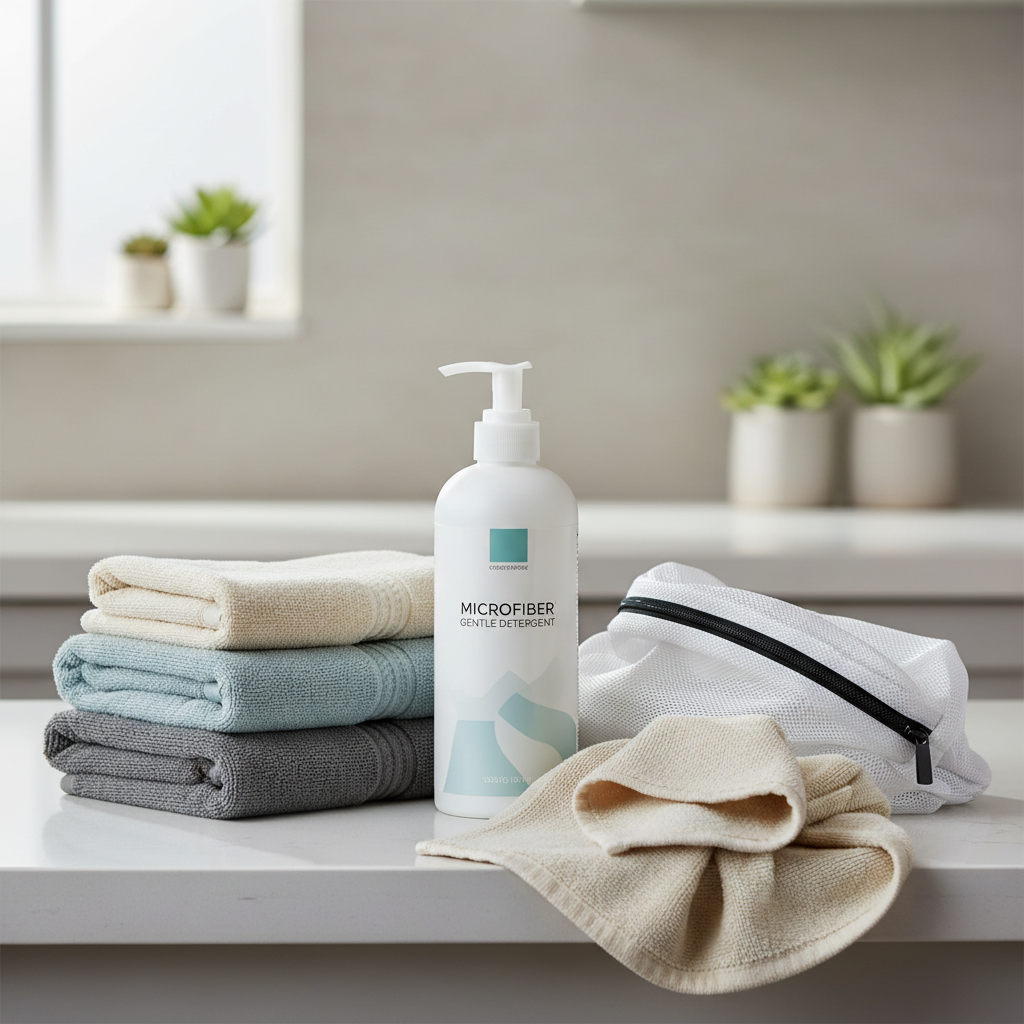
- Fabric softener or dryer sheets: they can coat fibers and reduce absorbency, sometimes making towels smear.
- Too much detergent: residue can stiffen fibers and make the towel feel “grabby.”
- High heat: excessive heat can damage fibers, reducing softness over time.
- No separation by job: keep paint towels away from wheels, exhaust tips, and interior grime.
According to the U.S. Environmental Protection Agency (EPA), many cleaning products should be used as directed on the label for safe and effective results. For microfiber detergents or rinseless products, that label guidance matters because overdosing is a common cause of residue and streaking.
When it’s worth getting professional help
If you already see heavy swirls, random isolated deep scratches, or haze that doesn’t change no matter how gentle your drying becomes, you might be past the “towel problem.” In many cases, the fix involves paint correction, which uses machine polishing and abrasive compounds.
That’s also where caution matters: polishing removes a small amount of clear coat, and aggressive correction can be risky on thin paint. If you’re not sure what you’re looking at, it’s reasonable to ask a reputable detailer for an evaluation, or at least get a test spot before committing to a full correction.
Key takeaways (so you don’t overthink it)
- Choose weave first: twist-loop for bulk drying, plush for finishing.
- Prioritize soft edges and tagless designs to lower accidental marring risk.
- Use light pressure, rotate frequently, and stop when the towel gets saturated.
- Towel care is part of paint safety: avoid softeners, high heat, and cross-contamination.
Conclusion: picking better towels is simple, staying consistent is the hard part
The best car microfiber towels for scratch free drying are the ones that absorb fast, stay soft after repeated washes, and give you enough pile and safe edging to handle “almost clean” paint without punishing you. Pair a twist-loop drying towel with a plush finisher, keep them clean, and your odds of swirl-free drying go up noticeably.
If you want one action to take today, retire any towel with rough edges or unknown history, and build a small, dedicated paint towel set you only use for drying and finishing.
FAQ
What GSM is best for drying a car without scratches?
GSM helps, but weave and edge quality matter more. Many people do well with a twist-loop drying towel for bulk water and a thicker plush towel for final passes, rather than chasing one “perfect” GSM number.
Are waffle weave towels safe for car paint?
They can be, especially on well-washed vehicles and with light pressure. If your environment is dusty or your wash step is inconsistent, a plusher towel tends to be more forgiving because it can pull particles away from the surface.
How many microfiber towels do I need to dry a whole car?
For a sedan, often one large twist-loop towel plus a smaller finishing towel works. Larger SUVs and trucks commonly need an extra drying towel so you’re not forced to use a saturated towel that starts dragging.
Can microfiber towels cause swirl marks even if they’re “clean”?
Yes. Residue from detergent, embedded grit, or a stiff edge can still create micro-marring. If a towel feels rough, grabs aggressively, or was used on wheels before, it’s safer to demote it to non-paint tasks.
Should I use a drying aid spray every time?
Not always. Drying aids can reduce friction and add gloss, but they also add a product layer that can smear if overused. Many drivers reserve them for darker paint, warmer months, or when water behavior is poor.
What’s the safest way to wash microfiber drying towels?
Wash paint towels separately, use a detergent intended for microfiber or a mild liquid detergent, avoid fabric softener, and keep heat moderate. If you’re unsure, follow the towel brand’s care instructions because fiber blends vary.
Is an electric car dryer/blower better than towels?
Touchless air drying reduces contact, so it can lower scratch risk, especially for grills and mirrors. Realistically you still may need a towel for remaining water, so a good drying towel stays useful even with a blower.
How do I know when a microfiber towel is “done” and should be replaced?
If it loses absorbency, feels stiff after proper washing, sheds lint, or has hardened edges, it’s usually time to replace or repurpose it for wheels, door jambs, or household cleaning.
If you’re trying to simplify your setup, a small two-towel system often beats a drawer full of random microfiber: one high-absorbency drying towel for the main job, plus one plush finisher for drips and touch-ups, and a clear rule that paint towels never go near wheels.