
Best car trash cans for suv trucks usually come down to two things people underestimate: where the can will actually live in a bigger cabin, and how well it controls leaks and smells when you toss in cups, wipes, or fast-food leftovers.
If you drive an SUV or truck, you probably deal with “moving trash” more than “having trash” — it slides under seats, tips in door pockets, or ends up in a grocery bag that never quite closes. A purpose-built car trash can sounds small, but it changes how clean the cabin stays between washes.
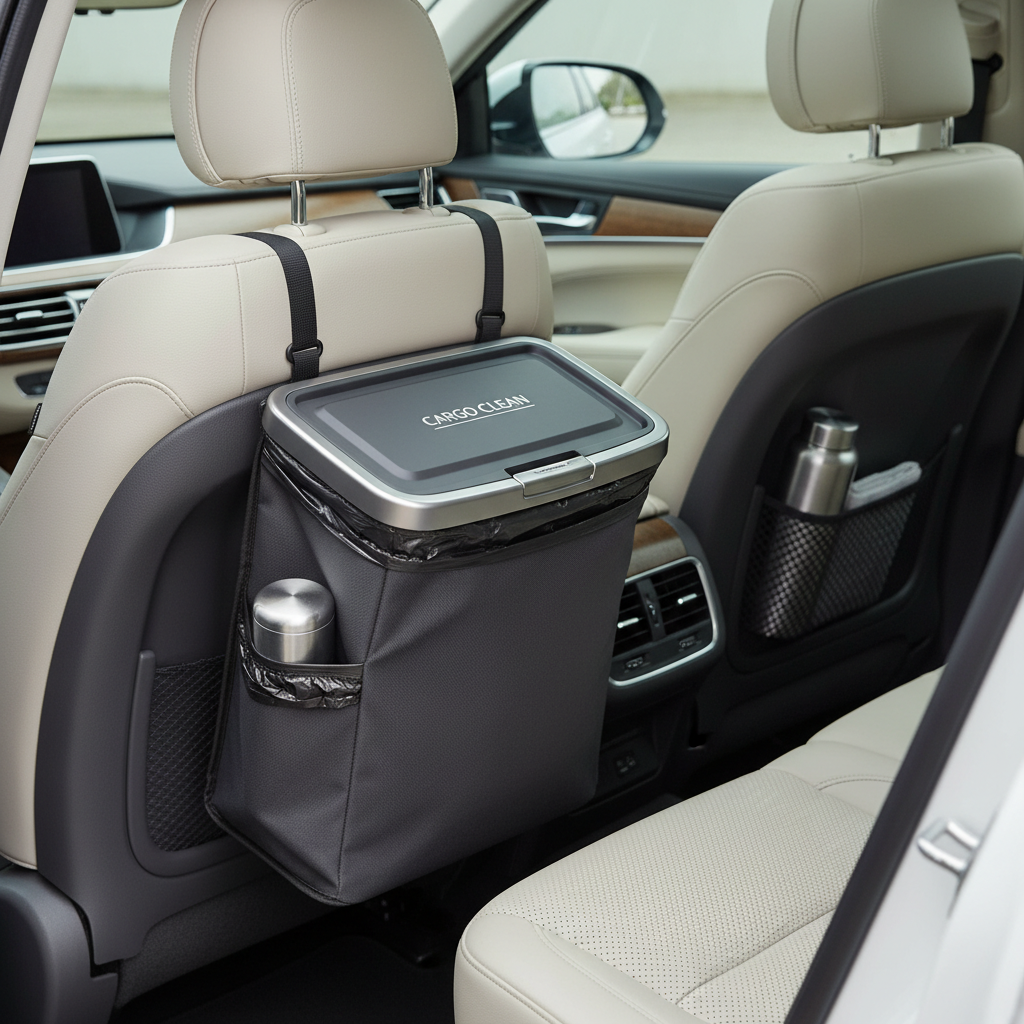
This guide focuses on large-capacity options that fit real use: kids’ snacks, road-trip wrappers, work gloves, dog bags, and the occasional coffee spill. You’ll also get a quick checklist, a comparison table, and a few “don’t buy this style if…” notes that save time.
What “large capacity” really means in SUVs and trucks
In practice, large capacity is less about the stated gallon size and more about usable volume plus stability. A tall can that tips over is functionally small because you stop using it.
- Best everyday range: many drivers do well with roughly 1.5–3 gallons for front-row use, and 2–4 gallons for a second-row family setup.
- “Large cabin” trap: a huge can can block legroom or access to rear vents, which turns into clutter elsewhere.
- Use-case matters: coffee cups and wet wipes demand leak control; wrappers and receipts mainly demand a lid and easy emptying.
According to NHTSA, loose items in a vehicle can become projectiles in a crash, so a trash solution that mounts or stays put is not just about neatness, it can also reduce cabin clutter that shifts under braking.
Common mess problems (and what causes them)
Most people aren’t “bad at keeping cars clean,” the setup just fails under real driving. These are the usual culprits in SUVs and trucks.
- No fixed location: a bag on the floor becomes a spill magnet at turns and stops.
- Open-top container: smells travel, and light trash flies out when windows are down.
- Thin liner or no liner: condensation from cups or half-finished drinks turns into sticky sludge.
- Wrong mounting spot: behind-seat hangs that swing, or console cans that interfere with shifting/controls.
- Hard-to-empty design: if emptying is annoying, trash accumulates around the can instead of inside it.
Quick fit checklist: pick the right style for your cabin
If you want best car trash cans for suv trucks that you’ll keep using after week two, match the can style to your layout and habits.
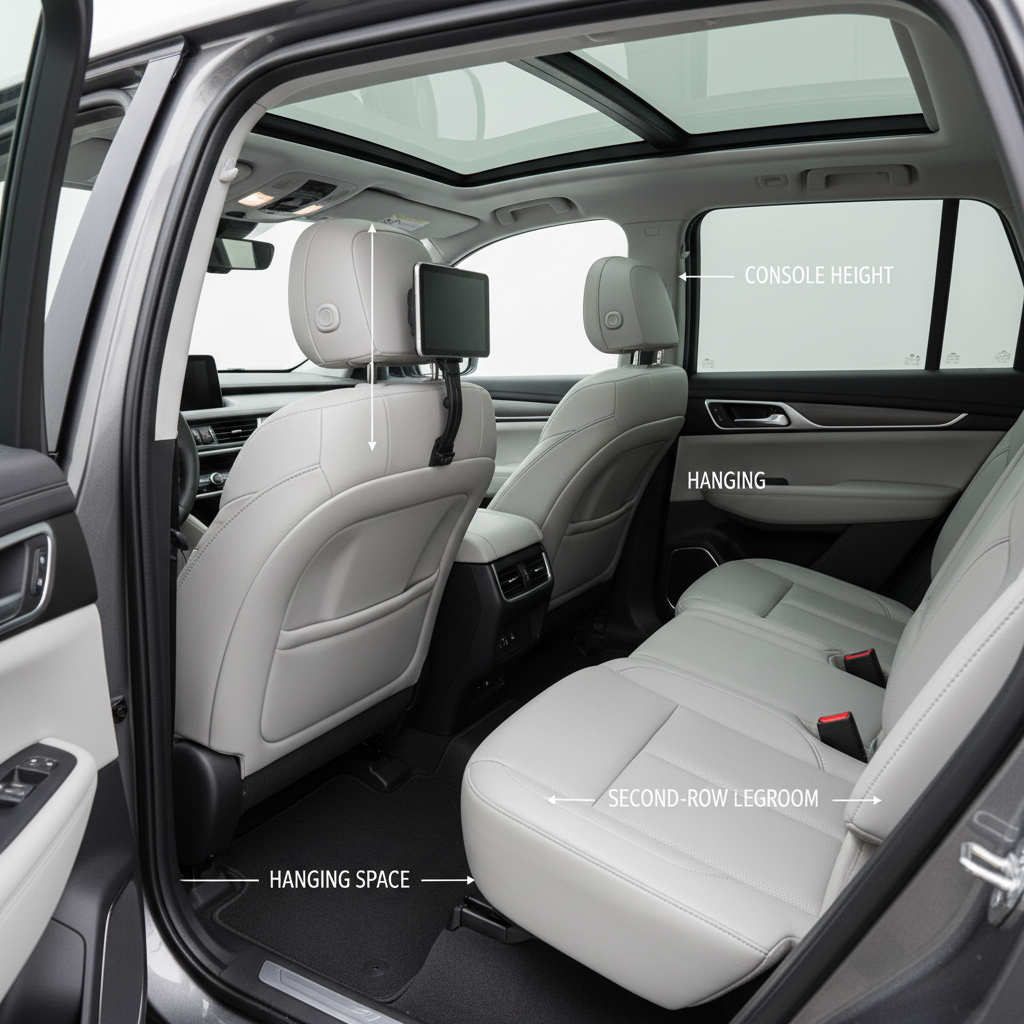
Measure first (it takes 2 minutes)
- Behind-seat space: seatback width and the gap to the floor (some cans drag on carpet or mats).
- Center console clearance: cupholders, armrest movement, and access to 12V/USB ports.
- Door pocket depth: many “door” cans are too tall and collide with knees.
Choose your “home base”
- Front-seat reach: console-mounted, passenger footwell, or hanging from shifter/console side.
- Family setup: behind-seat hanging or floor-standing between second-row seats.
- Work truck habits: a tougher, washable bin that tolerates dirt and occasional liquids.
Match features to your trash type
- Wet trash (cups, wipes, food): look for a lid + leak-resistant liner + easy-wipe interior.
- Dry trash (wrappers, receipts): prioritize capacity, one-hand access, and stable mounting.
- Pet/kid loads: odor control matters more than you think, so lids and thicker liners help.
Comparison table: which type works best for SUVs and trucks
Brands vary, but styles repeat. Use this as a fast filter before you shop.
| Type | Best for | Pros | Watch-outs |
|---|---|---|---|
| Behind-seat hanging (strap) | Families, road trips | Big capacity, easy access for rear passengers | Can swing if not tightened; check kick protection |
| Floor-standing bin (weighted/base) | Work trucks, frequent stops | Very stable if base is solid; quick toss | Can steal footwell space; may slide on slick mats |
| Console/cupholder style | Solo commuting | One-hand use; tidy for small trash | Often not truly large; can conflict with cupholders |
| Door-pocket slim can | Light, dry trash | Doesn’t eat floor space | Capacity limited; bumps knees in some vehicles |
| Multi-pocket organizer + bin combo | Parents, long-haul drivers | Contains clutter, not just trash | Bulkier; quality varies by stitching and rigidity |
What to look for when shopping (features that matter)
Product photos can be misleading, so focus on details that change day-to-day use. The best car trash cans for suv trucks typically share these traits, even if they look different.
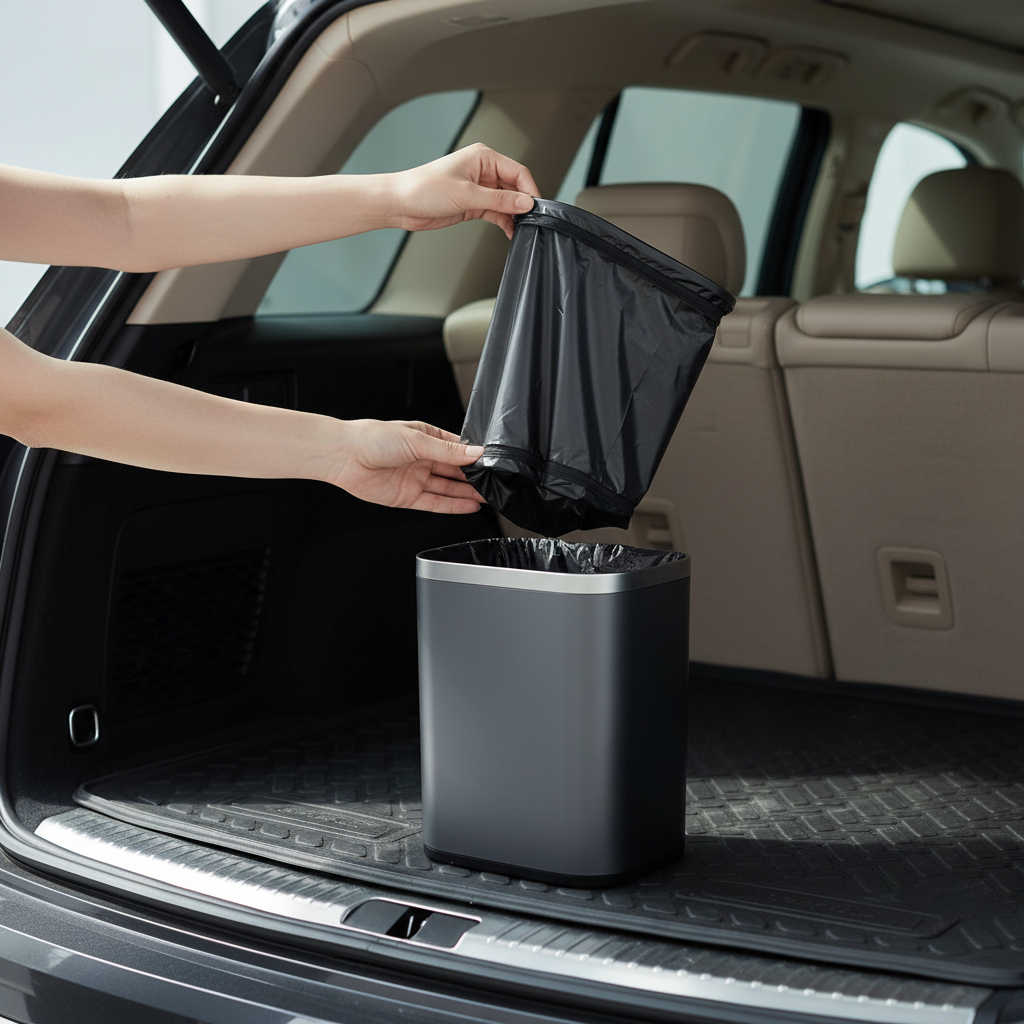
- Leak resistance: a removable liner (or a rigid inner bucket) beats fabric-only walls for spills.
- Real lid behavior: magnetic, flip, or drawstring lids help with odor, but make sure you can open it with one hand.
- Mounting that matches your driving: straps, headrest hooks, or Velcro panels work when they’re tight and the attachment points are solid.
- Easy cleaning: smooth interiors wipe faster; fabric exteriors can trap smells if you spill.
- Bag fit: some designs only fit proprietary liners; others accept common small kitchen bags, which is usually easier.
Small detail, big difference: if the opening is narrow, you’ll miss it while driving, then trash collects in the console anyway.
Setup steps that keep it from tipping, leaking, or smelling
You can buy a great can and still hate it if the setup is off. This is the practical routine that tends to work.
Step-by-step install (by placement)
- Behind-seat hanging: cinch straps so the can rests lightly against the seatback, then add a second anchor point if the model allows it.
- Floor-standing: place it where the base meets carpet, not on top of a loose mat edge; if it slides, add a non-slip pad under the base.
- Console-side: keep it on the passenger side if you need full driver knee clearance and access to switches.
Odor control that isn’t a gimmick
- Use a dry “base layer” like a paper towel in the liner for condensation.
- Empty wet trash more often than you think, especially dairy/coffee cups.
- If odor persists, wash with mild soap and water, then dry fully before reinstalling.
Key takeaways (quick list)
- Stability beats raw size in trucks and SUVs.
- Lids help, but only if you’ll still use it one-handed.
- Leak control matters any time drinks or wipes enter the picture.
Common mistakes that lead to “I stopped using it”
- Buying too big for the spot: it looks fine online, then blocks rear legroom or console access.
- Over-trusting Velcro: on textured plastics or dirty carpet, adhesion can be weak; straps or a weighted base often last longer.
- Ignoring liner quality: thin liners tear, then the can becomes the mess.
- Placing it where it gets kicked: especially behind the driver seat if you carry passengers often.
- Trying to use one can for everything: some households do better with a small front can plus a larger rear option for trips.
When it’s worth getting professional help (yes, sometimes)
If your SUV or truck has custom upfits, commercial racks, or you’re routing power cables and equipment in the cabin, mounting accessories can get complicated. In those cases, asking a professional installer or detail shop for placement advice may prevent interference with airbags, seat mechanisms, or wiring. If you’re unsure about airbag coverage areas, check the vehicle manual or consult a qualified technician.
Conclusion: a cleaner cabin is mostly a placement decision
Most people shopping for a large-capacity bin think the win is “more volume,” but the real win is picking a spot you’ll actually use and a design that handles wet trash without drama. Start by choosing your mounting location, then buy the style that fits that location cleanly.
If you want a simple next step, measure your intended spot today, then shortlist two styles from the table, one behind-seat option for trips and one front-reach option for daily driving, and pick based on which one you’ll empty without procrastinating.
FAQ
- What size is considered large for a car trash can in an SUV?
Many drivers consider 2–4 gallons “large” in real use, but the right size depends on where it sits. A stable 2-gallon behind-seat can often beats a tippy 4-gallon floor bin. - Are hanging car trash cans safe in an accident?
They can be safer than loose bags if they’re secured tightly, but any accessory can become a hazard if it detaches. Follow manufacturer instructions and avoid mounting methods that interfere with seat functions or airbags, and consult a professional if you’re uncertain. - How do I stop my car trash can from smelling?
Use a liner, keep wet trash to a minimum, and empty more frequently after food or coffee. Washing the interior and drying fully usually solves persistent odor better than masking sprays. - Do I need a lid, or is open-top fine?
Open-top can work for dry trash on short commutes, but a lid helps with odor and prevents lightweight trash from escaping when windows are down. - Where should I place a trash can in a pickup truck?
Common spots include the passenger footwell, console side, or behind the front seat if you have rear space. The best spot is where it won’t block pedals, controls, or passenger comfort. - Can I use regular grocery bags as liners?
Sometimes, but they can slip or tear. Many people find small kitchen bags fit better, and a can with a retention ring or liner hooks makes any bag easier to use. - What’s better for families: one big can or two smaller ones?
Two can be easier: a small front can for the driver, plus a larger rear can for kids. One big can works if it’s reachable and you don’t mind walking trash back from the front row.
If you’re trying to keep a truck or SUV clean without constantly chasing wrappers and sticky cupholders, a well-mounted, leak-resistant trash can is one of those small upgrades that pays off every week, especially once you match the size to your cabin and your routine.